
Is Already in Your Home — You Just Don’t Know It Yet
My neighbor knocked on my door last winter holding a small white device, looking genuinely baffled. “This thing just told me my fridge compressor is about to fail,” he said. He hadn’t asked it anything. It had simply figured it out on its own.
That moment stuck with me. Not because the device was impressive — it was — but because he had owned it for eight months without realizing it could do that. The technology had already arrived. He just hadn’t been introduced to it yet.
That’s exactly where consumer tech sits right now. The next big thing isn’t some futuristic concept waiting to be invented. Much of it already exists inside products people bought, set up, and mostly ignored. The real shift happening in 2025 and beyond is about technology that no longer waits for you to use it. It just works, adapts, and sometimes knows what you need before you do.
Ambient Intelligence: The Shift Nobody Is Talking About Loudly Enough
Everyone keeps waiting for a single breakthrough product — the “iPhone moment” of this decade. But the smarter bet is on something quieter: ambient intelligence. Technology woven so deeply into everyday life that it stops feeling like technology at all.
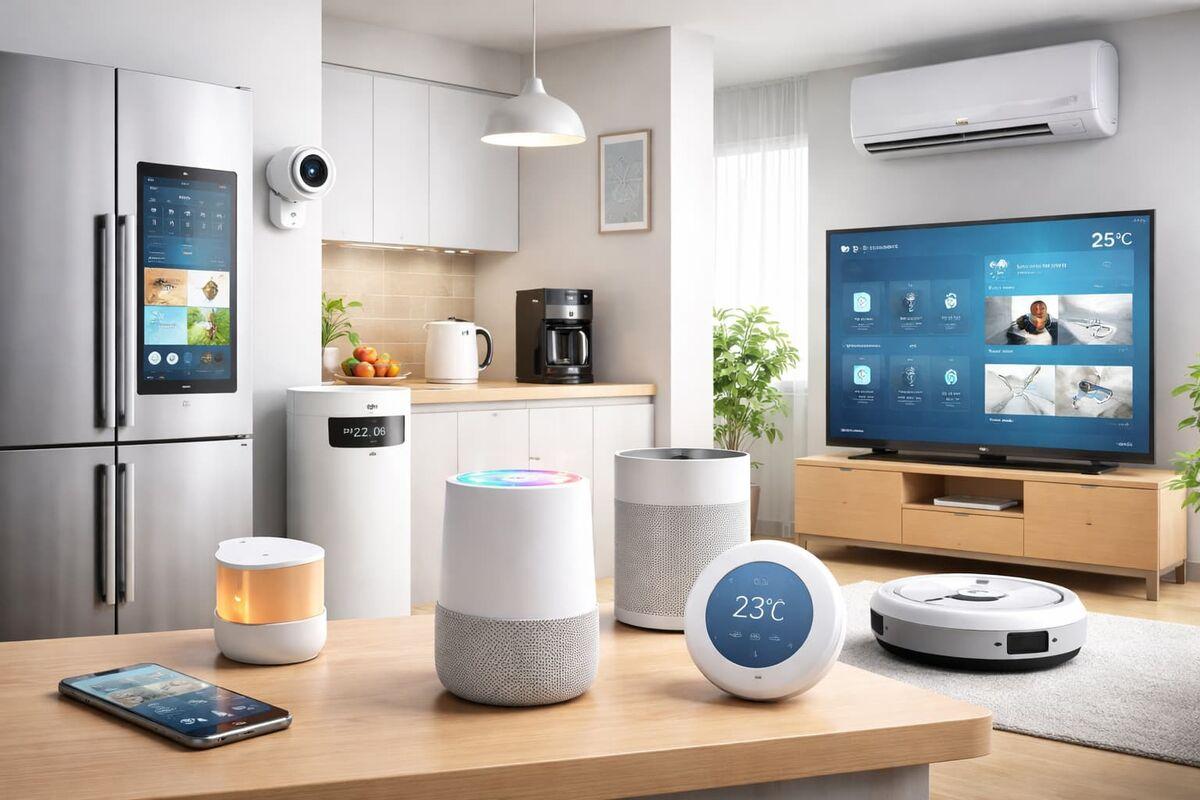
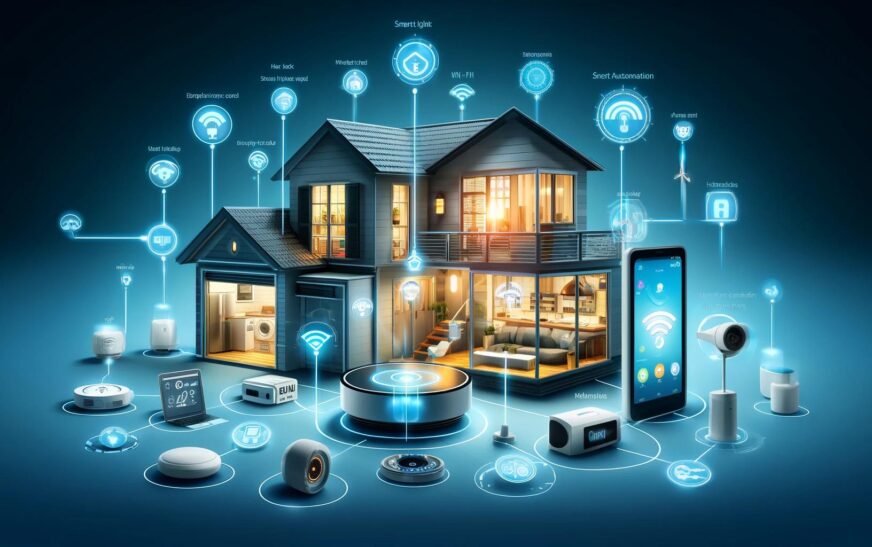
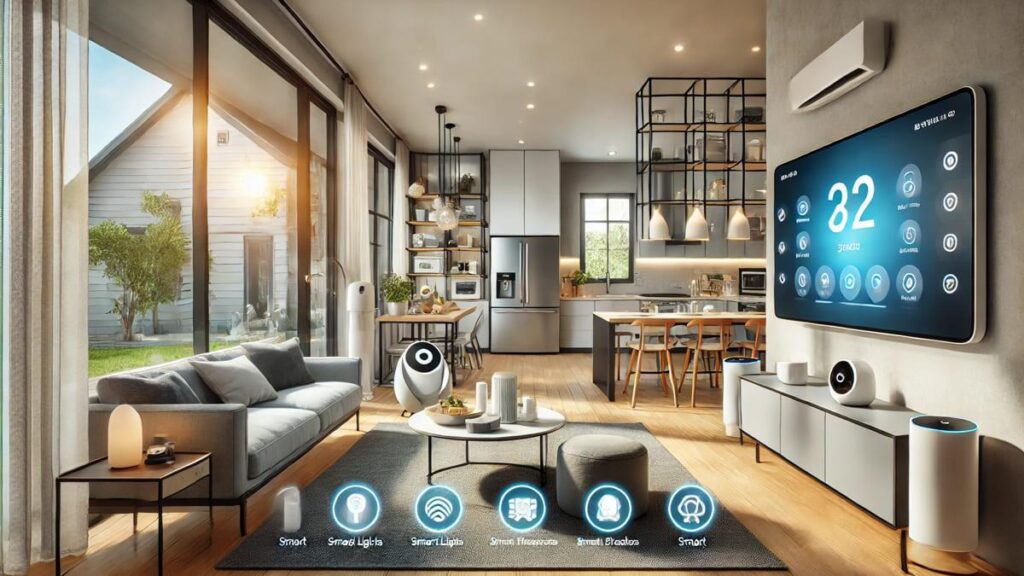
Think about your home right now. If you have a modern smart speaker, a Wi-Fi router from the last two years, a thermostat with a learning feature, or even a newer washing machine, you’re already living inside an ambient intelligence system. The problem is these devices mostly talk to themselves. They don’t share information. They don’t coordinate.
That’s the gap closing fast.
Companies like Google, Apple, and Amazon have been quietly building toward a single connected layer — a kind of invisible operating system for your home. The Matter protocol, which launched seriously in 2023 and has been gaining real traction since, is the clearest sign of this. It’s a universal standard that lets smart devices from completely different brands talk to each other without you having to manually set anything up.
The practical result? Your Philips Hue lights can respond to your Samsung TV. Your thermostat can coordinate with your Arlo security camera. Your door lock can talk to your Apple HomePod without requiring three separate apps and a patience level most people don’t have.
This doesn’t sound glamorous. But living with it is genuinely different. Routines happen without being programmed. The house starts behaving like it actually knows you — because, slowly, it does.
AI That Lives on the Device, Not in the Cloud
Here’s one of the biggest shifts that barely made headlines outside tech circles: AI is moving off the cloud and onto the device itself.
For years, every time you asked Siri something or used a voice assistant, your question traveled to a massive server somewhere, got processed, and came back to you. That’s why it felt slow sometimes. That’s also why it felt disconnected from your actual situation.
Apple’s on-device AI push, which they’ve been developing under the umbrella of Apple Intelligence, is a real example of what’s changing. Certain models now run entirely on your iPhone or Mac. They can read your emails, understand your personal context, and respond without any of that data leaving your device. Samsung is doing something similar with Galaxy AI features on newer phones.
The result isn’t just faster responses. It’s genuinely more personal ones. The assistant knows your writing style because it’s been watching how you write — privately, locally, without uploading anything. It can summarize your email thread with your landlord because it knows who your landlord is, not because it searched the internet.
This matters for privacy. It matters for speed. And it matters for what AI can actually do for you in daily life rather than in a demo video.
Spatial Computing Is Not Just a Headset Gimmick
When Apple released the Vision Pro, the reaction split pretty cleanly between “this is the future” and “this is a $3,500 toy.” Both camps were partially right.
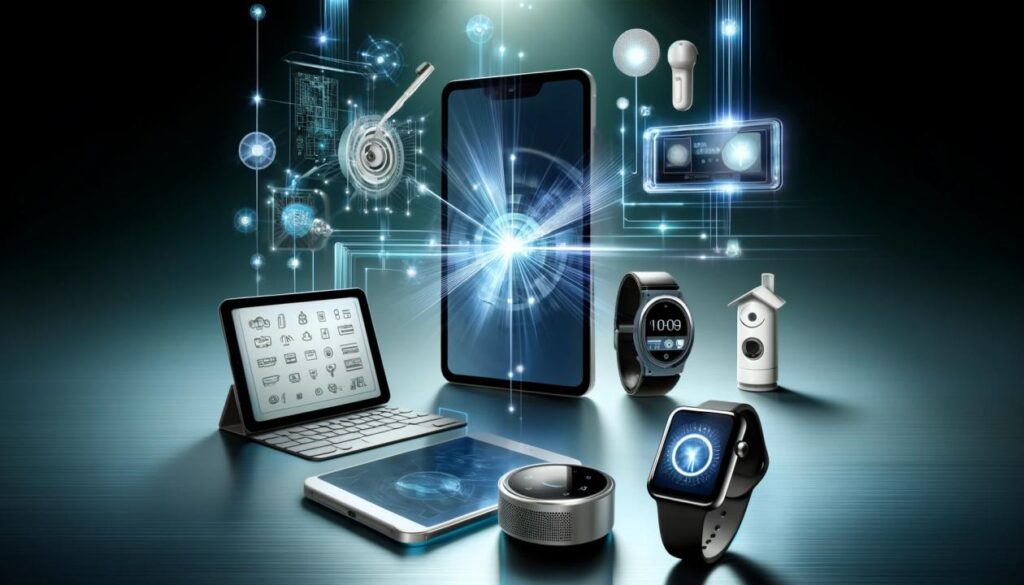
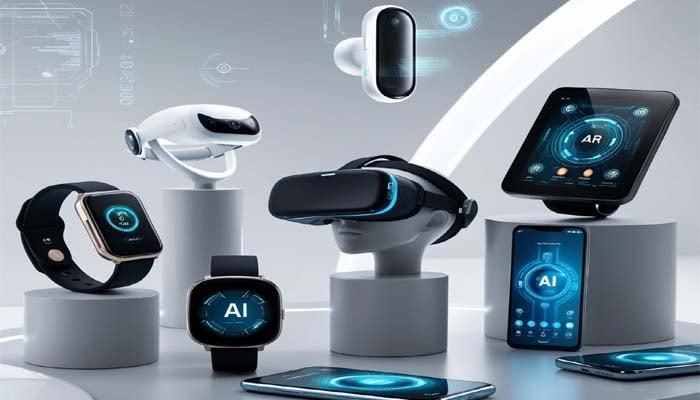
The Vision Pro itself is not yet the product that changes everything. But what it demonstrated is what spatial computing can actually feel like when it’s done well. Floating screens. Applications that exist in physical space. Video calls where the other person appears life-sized in the room with you.
The more interesting story is what comes next. Apple’s second-generation device is expected to cost significantly less. Meta’s Quest lineup has already brought spatial computing to a much wider audience at a much lower price. More importantly, developers now have real reasons to build for these platforms because there’s an actual user base waiting.
What’s the practical use case outside gaming? That was the question spatial computing couldn’t answer for years. Now there are genuine answers:
Architects and interior designers are using headsets to walk clients through buildings before a single brick gets laid. Surgeons at some hospitals are using AR overlays during procedures. Remote workers are setting up multi-screen virtual offices in a single physical room. Students are studying anatomy with 3D models floating in front of them.
None of this requires a Vision Pro. Some of it works on a Meta Quest 3 that costs a tenth of the price. The use cases exist. The hardware is getting cheaper. That’s the setup for mass adoption.
The Wearable That Actually Changed My Habits
Fitness trackers have been around long enough that most people have given up on them at least once. The first-generation Fitbits were great at making people feel guilty. They were less great at actually changing behavior.
Something shifted with the newer generation of wearables — specifically around health insights rather than just data collection.
The Oura Ring and the Apple Watch Series 9 and Ultra 2 don’t just count steps. They track your heart rate variability, your blood oxygen, your skin temperature trends, your sleep cycles in enough detail to actually be useful. More importantly, they connect those data points to tell you something actionable.
After wearing an Oura Ring for about four months, the thing that genuinely surprised me was catching a pattern I had never noticed. My recovery scores tanked every time I had more than one drink the night before — even a single beer later in the evening was measurable. I knew alcohol affected sleep quality in theory. Seeing it in my own data, every week, consistently, was different. I changed the habit because the evidence was personal.
That’s the shift with consumer health tech right now. Not that it collects more data, but that it’s getting better at translating data into something you actually understand and can act on.
Continuous glucose monitors, once only available to diabetics by prescription, are now being tested as consumer devices. Companies like Levels and Dexcom have been working toward versions that don’t require a doctor’s order. Understanding how your blood sugar responds to specific foods — in real time, on your own body — is a category of self-knowledge that simply didn’t exist for most people before.
What the “AI Phone” Actually Means for Regular People
Every major phone manufacturer is now putting AI at the center of their pitch. Samsung, Google, Apple, and even OnePlus have launched features under various AI branding. Some of it is genuinely useful. Some of it is marketing dressing on existing features. Knowing the difference matters.
The actually useful stuff:
Circle to Search on Android is one of the most genuinely seamless features to land on a phone in years. You circle anything on your screen — a plant, a piece of furniture, a word in a language you don’t speak — and it searches for it instantly without leaving what you were doing.
Live translation has crossed a threshold where it’s reliable enough to use in real situations. Not just for reading menus abroad, but for actual conversations. Google’s Pixel phones and Samsung’s Galaxy devices can handle live voice translation well enough that I’ve watched someone use it during a real meeting without the other person being confused.
Photo editing AI has gotten to a point where removing an object from a background, adjusting lighting, or unblurring a shot takes seconds. These aren’t new capabilities, but the quality and speed in 2024 and 2025 devices is genuinely different from what existed three years ago.
The mistake most people make is expecting these features to be perfect. They’re not. Live translation fumbles with accents and idioms. AI photo editing sometimes creates artifacts that look odd on close inspection. The right mental model is a very capable assistant that needs occasional supervision, not a replacement for judgment.
Common Mistakes People Make With New Consumer Tech
Buying too early is the obvious one. The first version of almost any new consumer technology category is not the version worth owning. First-gen smart glasses, first-gen folding phones, first-gen voice assistants — all of them had serious flaws that second-generation versions fixed. Patience costs nothing and saves a lot of frustration.
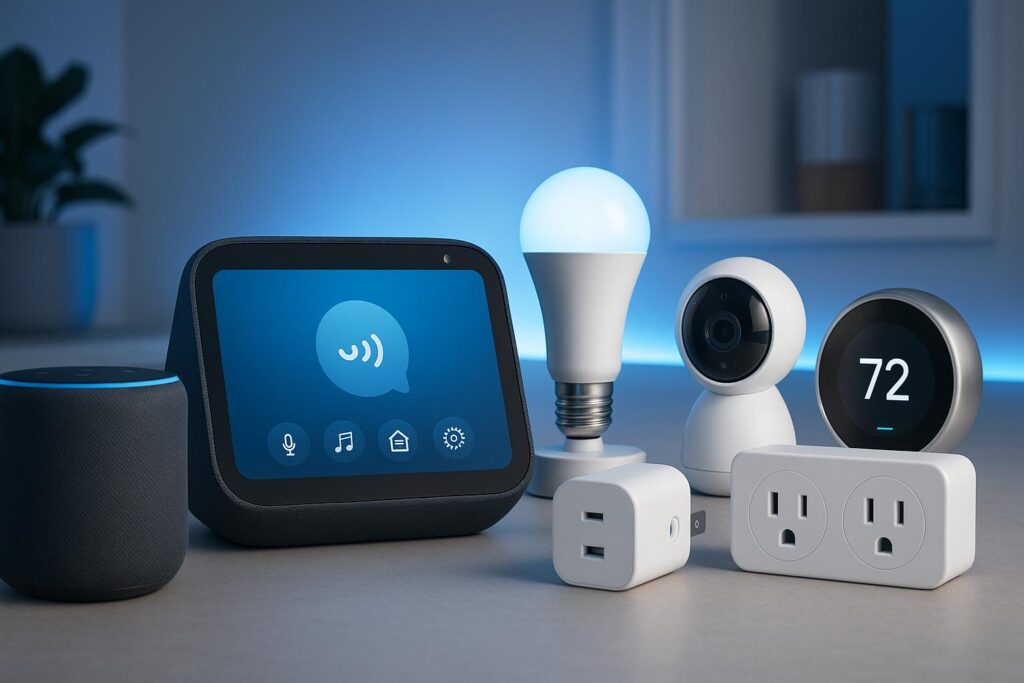
Setting it up once and forgetting it is a subtler mistake. Smart home devices improve dramatically through software updates. The Nest thermostat I set up three years ago does things today it couldn’t do when I bought it — not because I bought new hardware, but because Google kept updating the software. Spending thirty minutes every few months actually exploring what a device can do now is worth it.
Trusting the default settings completely is another common misstep. Privacy settings on most smart devices default to sharing more than most people would choose if they read the options carefully. This isn’t a conspiracy — it’s a business model — but it’s worth knowing what you’re opting into.
Expecting seamless integration across brands is still premature. Matter has improved this significantly, but cross-brand smart home setups still have friction. If you care about everything working together reliably, staying within one ecosystem — Apple HomeKit, Google Home, or Amazon Alexa — still tends to work better in practice.
The Technologies Worth Watching Right Now
A few specific areas worth paying attention to over the next couple of years:
Neuromorphic chips are coming to consumer devices. These are chips designed to mimic how the brain processes information — extremely energy efficient, very fast at specific tasks. Qualcomm and Intel have both announced versions targeting phones and laptops. The result will be AI features that run longer on battery and respond faster than anything available now.
Satellite connectivity for everyday devices is expanding beyond phones. Starlink and other providers are working toward versions of their service that work directly with standard consumer hardware, not just specialized terminals. Rural connectivity, emergency backup connectivity, and travel connectivity are all about to change.
Solid-state batteries are closer to commercial consumer products than they’ve ever been. Toyota and several battery startups have demonstrated versions that charge faster and last longer than lithium-ion. When these land in phones and laptops — realistically sometime in the late 2020s — the daily ritual of managing battery life changes completely.
Personalized audio is an underrated category. Devices like the AirPods Pro with its hearing health features and the Sony WH-1000XM5 with adaptive sound are early versions of audio technology that understands your specific hearing profile and adjusts accordingly. This is going to get much more sophisticated.
How to Actually Stay Ahead Without Getting Overwhelmed
The technology news cycle is exhausting by design. New announcements happen daily. Most of them are irrelevant to your actual life.
A better approach: pick one area of your life where friction genuinely bothers you, and look specifically for technology that addresses that. If you hate managing your calendar, look at AI scheduling tools. If sleep is the issue, look at sleep tracking seriously rather than casually. If you work from home and feel isolated, look at spatial computing devices that address that specific problem.
Following a handful of people who actually use technology rather than review it for clicks is also worth doing. There’s a meaningful difference between someone who unboxes a device for a YouTube video and someone who has used it for six months and can tell you what broke, what surprised them, and what they’d do differently.
The Bigger Picture
What’s actually happening in consumer technology right now isn’t one breakthrough. It’s a layer of intelligence being added to things that already existed — homes, phones, earbuds, watches, glasses. That layer is getting thicker, more personal, and more capable every year.
The people who will get the most from it aren’t necessarily the ones who buy everything first. They’re the ones who pay attention to what actually changes their daily life, stay curious without chasing every new thing, and take the time to actually learn what their devices can do.
My neighbor’s fridge is probably still going to fail. But at least he got enough notice to call a repair person before it stopped working entirely. That’s a small, unglamorous example of technology doing exactly what it should — making ordinary life a little easier, a little less surprising in the bad ways, and occasionally making you wonder why it took this long.
That’s the next big thing. And a lot of it is already sitting on your counter.