
I was standing in my driveway in Charlotte last month when I heard a sound I genuinely could not place. Not a leaf blower, not a lawnmower. Something closer to a giant mechanical bee. I looked up and watched a white drone hover over my neighbor’s backyard. It lowered a small package on a thin cable, then zipped off toward whatever rooftop nest it calls home.
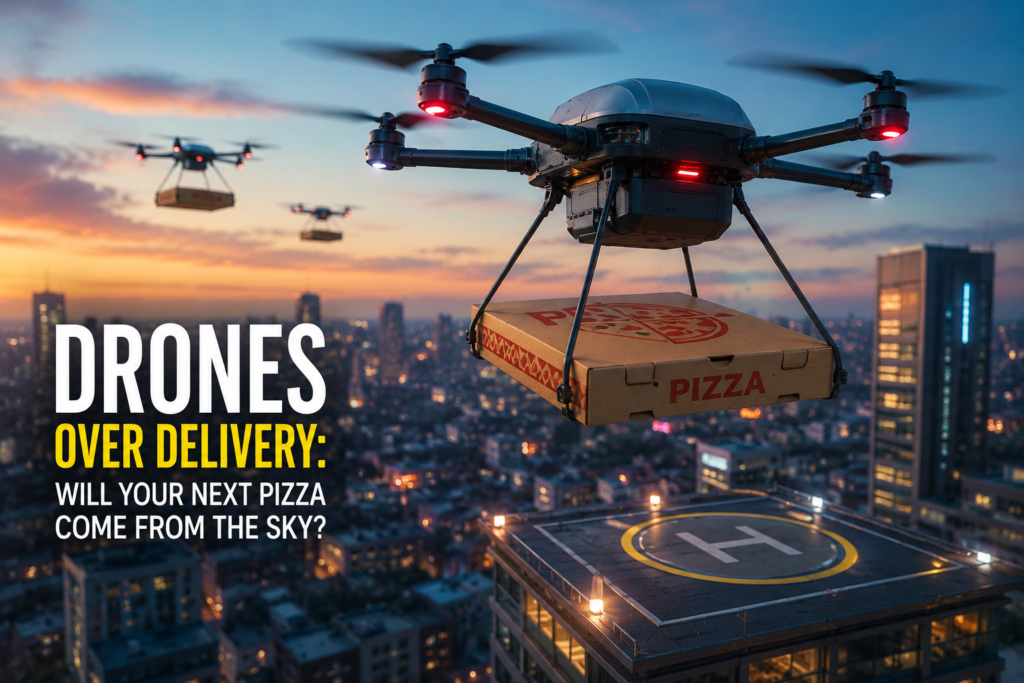
My neighbor came outside grinning, holding a still-warm bag of Mexican food. The whole flight took maybe four minutes from order confirmation to landing.
I had read about drone delivery for years. I assumed it was still mostly a tech demo running in some isolated test zone. Watching it happen on an ordinary Tuesday felt different. This was not a concept video anymore. This was dinner.
Why Pizza Keeps Coming Up in Every Drone Delivery Story
Pizza became the unofficial mascot of drone delivery somewhat by accident. Domino’s ran a flashy drone delivery test in New Zealand back in 2016. The footage went viral immediately. A pizza floating gently down into someone’s backyard captured imaginations in a way that drone-delivered prescription medication never quite managed.
That early hype created a problem the industry has struggled with for years. Pizza turned out to be one of the harder foods to actually deliver by drone. The challenge has little to do with technical mystery. It comes down to basic physics and geometry.
A standard pizza box is large, flat, and surprisingly awkward for a small aircraft to carry steadily. Drones also need to keep the box level during flight. Otherwise you end up with a pizza that arrives looking like it survived a small earthquake. Several early restaurant partnerships, including Jet’s Pizza and Pagliacci, announced Zipline collaborations that never actually got off the ground commercially.
What changed recently is the hardware itself. Companies have built aircraft specifically designed around food-sized payloads rather than retrofitting drones meant for small packages.
The Companies Actually Doing This Right Now
A handful of companies have moved well past the demo stage. They have entered something resembling real, ongoing operations. Knowing the players helps make sense of why your city might already have drone delivery available, or might be getting it soon.
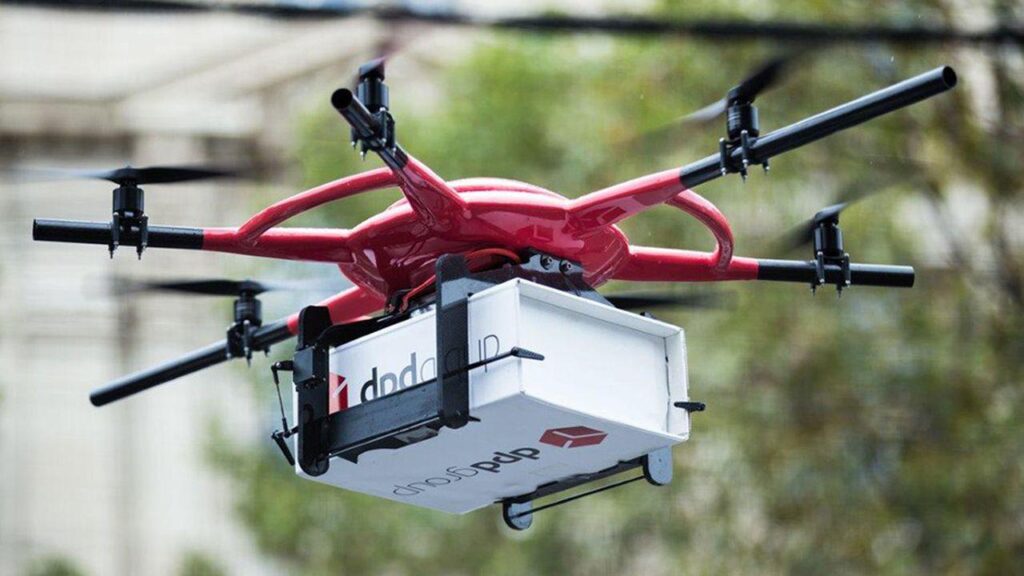
Wing
Wing, owned by Alphabet, runs one of the most established networks in the country. Its partnership with DoorDash has expanded steadily across multiple regions. Charlotte has become something close to the flagship market for the entire industry. Drone stations, which Wing calls nests, now reach over 60,000 households in the Charlotte suburbs alone, with newer expansion into metro Atlanta as well.
Wing recently struck its first direct partnership with a major national restaurant chain. Papa Johns sandwiches now flow into Wing’s system directly rather than only through DoorDash’s third-party platform. The test currently runs from a single franchise location to a nearby subdivision. That sounds small until you remember every major rollout starts exactly this way.
Zipline
Zipline operates differently from Wing in one important way. Rather than landing the drone itself, the aircraft hover at altitude and lower a small tethered delivery pod to the ground using a thin cable. This approach drops the order gently without the drone ever touching down.
Zipline’s footprint in Texas has grown substantially. The company keeps adding new restaurant and retail partners around Rowlett, east of Dallas. Customers there can order from brands including Walmart, Crumbl Cookies, Little Caesars, Popeyes, and Blaze Pizza. Its newer Platform 2 aircraft can carry up to eight pounds and cover a ten-mile radius, flying at speeds up to 70 miles per hour.
Flytrex
Flytrex has carved out a niche partnering specifically with pizza chains. This focus makes sense given the company’s newer aircraft was built with larger payloads in mind. Flytrex expanded its Little Caesars partnership in Wylie, Texas, using its Sky2 drone. That aircraft can carry up to 8.8 pounds and fit two pizza boxes within a roughly four-mile delivery range.
Amazon Prime Air
Amazon continues developing its own drone delivery program alongside its core retail business. The focus here leans less toward restaurant food and more broadly toward fast package delivery. Still, the underlying technology and regulatory hurdles overlap significantly with what restaurant-focused companies are solving.
What Ordering Drone Delivery Actually Looks Like
Getting food delivered by drone is far less complicated than people assume if you live in one of the active service zones. The process happens almost entirely inside an app you probably already have installed.
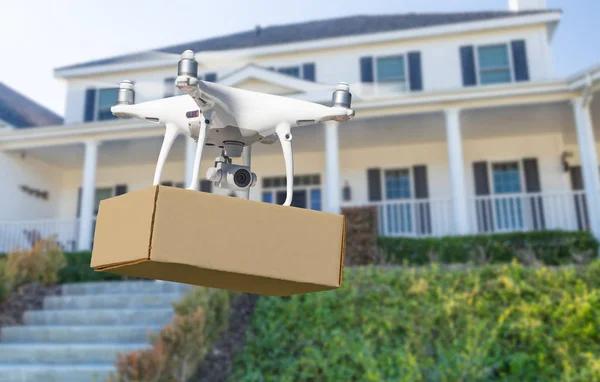
Open the DoorDash app in an eligible area, and you will notice a small drone icon attached to participating restaurants. Selecting a restaurant that supports drone delivery shows you the option directly at checkout, alongside the usual standard delivery choice.
The system checks two things automatically before letting you choose the drone option. Your order needs to fit within specific weight and size limits. Your delivery address also needs to fall inside the approved flight radius around a nearby drone nest.
Confirming the order lets you track the flight in real time on a map within the app. It feels similar to watching a rideshare car approach, except this one is in the sky.
Most deliveries land in a designated spot, often a backyard or a marked area near your front door, depending on your specific property and the local program’s setup. Zipline’s tethered drop system means the drone itself never lands at all. It lowers the package and retracts the cable before flying back to base.
Step-by-Step: Checking If Drone Delivery Is Available Near You
Open your DoorDash app and search your address under delivery settings to confirm your location.
Browse the restaurant list and look specifically for the small drone or lightning bolt icon that some markets use to flag eligible options.
Check whether your city appears on Wing’s or Zipline’s published service area pages if nothing shows up in the app. Coverage expands frequently, and app integration sometimes lags slightly behind official rollout announcements.
Try a smaller order first if it is your first time using the service. Weight and size limits are stricter than standard delivery, and a simple test run helps you understand what fits before you plan a bigger order.
My Own Experience Trying It (And Where I Got It Wrong)
After watching my neighbor’s delivery, I decided to try it myself the following week. My first mistake was assuming I could order whatever I wanted the same way I always do.
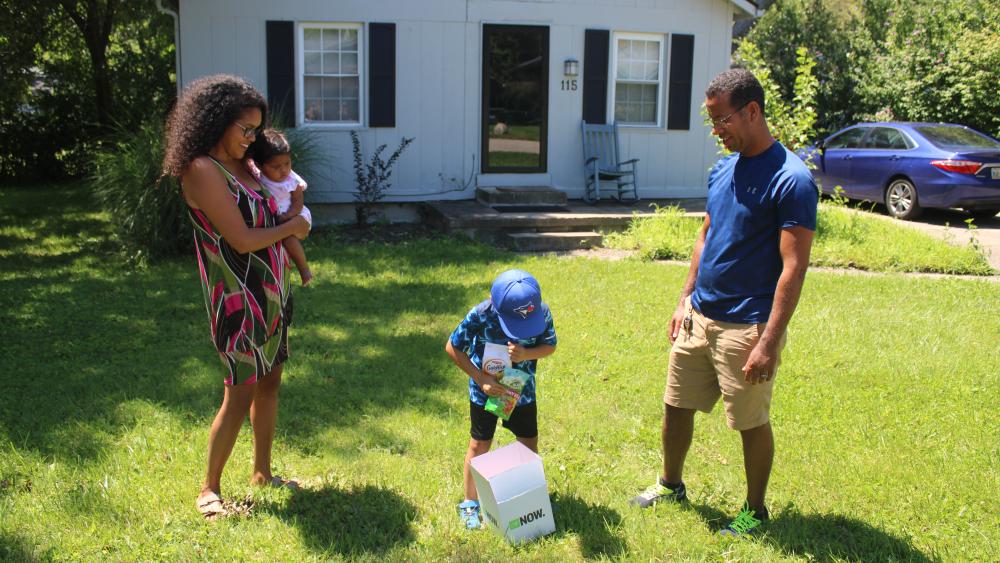
I tried ordering a large pizza along with a two-liter soda and a side of wings. That is the kind of order I place regularly through standard delivery. The app flagged it immediately as exceeding the weight limit for drone delivery and quietly defaulted back to a regular driver.
Lesson learned. Drone delivery currently works best for smaller, lighter orders, generally a single meal or two rather than a full family spread. I went back and ordered just the pizza alone, skipping the drink and sides, and the drone option appeared again.
The second surprise came with timing. I expected some kind of complicated scheduling process. Instead, the drone arrived faster than my usual delivery driver typically manages. It landed in my designated yard zone roughly twelve minutes after the restaurant confirmed the order.
The pizza itself arrived intact, slightly warmer than I expected given how quickly modern drone delivery moves compared to a car navigating suburban traffic and stop signs.
What genuinely surprised me was how anticlimactic the whole experience felt after the initial novelty wore off. The drone descended, lowered the bag, and lifted away within about ninety seconds. No fanfare, no crowd gathering to watch. Just dinner, delivered.
Why This Technology Took So Long to Become Real
People sometimes assume drone delivery stalled because the technology itself was not ready. The aircraft and navigation systems have actually been technically capable for years longer than most people realize. The real bottleneck has been regulatory.
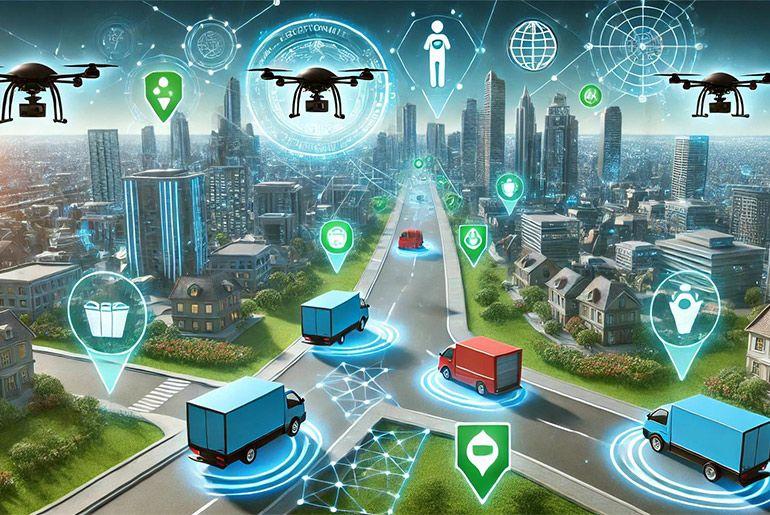
The Federal Aviation Administration requires specific approval for what is called beyond visual line of sight operation. This means a drone flying further than an operator can physically see and track with their own eyes. Drones are restricted to small, heavily supervised test zones without that approval, and those zones never scale into genuine citywide service.
Wing secured this approval for its Charlotte operations. That is a major reason the metro area became the most active drone delivery testbed in the country. Other operators have pursued similar approvals region by region. That pattern explains why drone delivery currently exists in scattered pockets across the country rather than as a nationwide rollout happening all at once.
Europe, interestingly, moved faster on this front. Iceland’s AHA service launched the world’s first operational drone delivery program back in 2017. It reportedly cut delivery costs by up to 60% in its early years, well before most American regulators had finalized comparable frameworks.
Common Misunderstandings About Drone Delivery
A few assumptions trip people up consistently when this topic comes up in casual conversation.
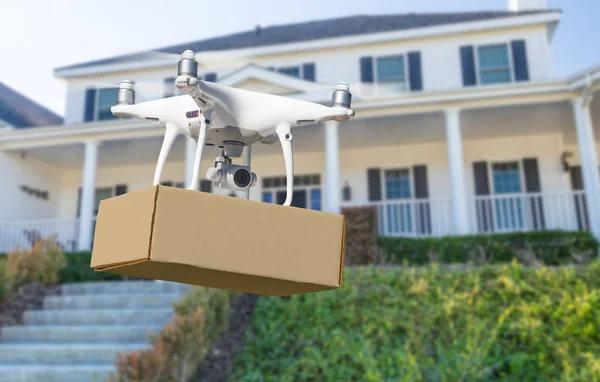
People often assume drone delivery means a drone literally lands in your driveway, and someone has to retrieve a package from the aircraft itself. In most current systems, the drone either lowers the package on a cable while hovering, or lands briefly in a specifically marked zone before immediately departing again.
Many also assume the technology only works in dense cities, when the opposite has actually proven true so far. Suburban areas with more open yard space and fewer obstructions have become the strongest markets. Drones need clear landing zones away from trees, power lines, and tight urban clustering.
Another common misconception involves cost. Shoppers often expect drone delivery to carry a steep premium given the novelty factor. Pricing in most current markets sits roughly in line with standard delivery fees, sometimes slightly less. Drones avoid traffic delays and do not require a human driver for the entire trip duration.
Some people assume this technology will replace human delivery drivers within the next few years. Current evidence points toward something closer to drones working alongside traditional delivery rather than replacing it outright. Heavier orders, multi-restaurant pickups, and areas without proper FAA clearance will likely depend on human drivers for a long while yet.
Where the Industry Is Actually Headed Next
A few developments worth watching suggest this technology is moving from pilot programs toward something resembling permanent infrastructure rather than a passing trend.
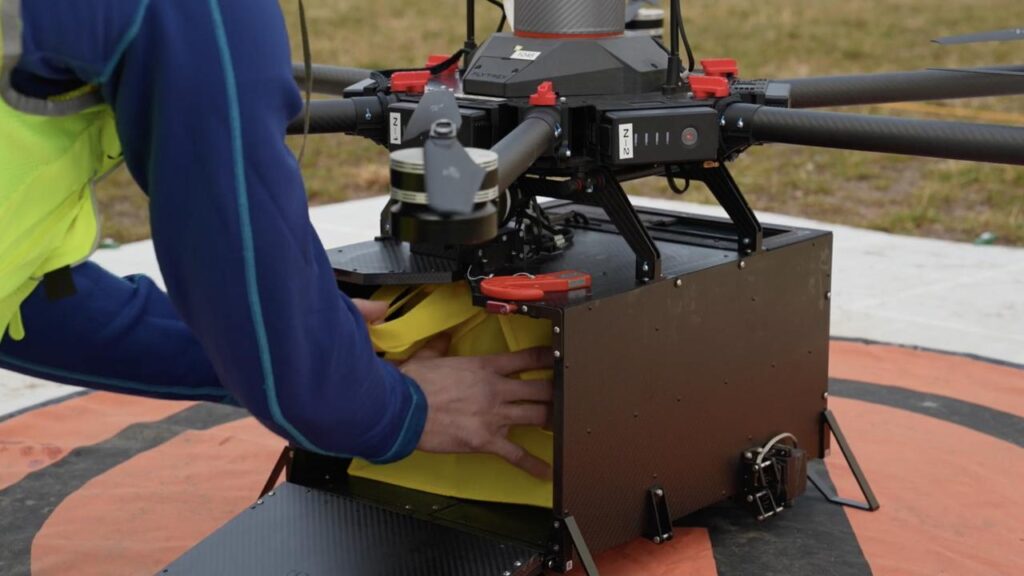
Healthcare delivery represents one of the fastest growing segments within the broader drone industry. Hospital systems are exploring drone delivery for prescriptions, lab samples, and medical supplies. Atrium Health in Charlotte has announced plans to begin medical deliveries through Zipline starting in 2027, building on the same infrastructure already supporting restaurant orders in that region.
Robot-to-drone handoff systems are also emerging as a clever workaround for restaurants that cannot easily modify their physical setup for drone pickup. Wing has piloted a partnership with Serve Robotics. A sidewalk delivery robot collects an order from a restaurant’s curb and carries it a few blocks to a Wing drone loading station. This setup lets restaurants participate without major operational changes.
Larger payload aircraft continue rolling out as well. Zipline’s newer Platform 2 system and Flytrex’s Sky2 drone both represent meaningful upgrades over earlier hardware. Both target the kind of bulkier, heavier orders that earlier drone generations simply could not handle.
Mistakes to Avoid If You Want to Try Drone Delivery Yourself
Check whether your specific address falls inside an active delivery zone before getting excited about ordering. This step saves unnecessary disappointment. Service areas can be surprisingly precise, sometimes covering one neighborhood while skipping a community just a few minutes away.
Skipping the weight check often backfires too. Ordering exactly what you would normally order without checking weight limits first often results in your order quietly defaulting to standard delivery without much explanation. Starting with a smaller, simpler order helps you understand what actually qualifies before committing to a bigger group order.
Assuming every restaurant on a delivery platform supports drone service leads to confusion at checkout. Only specific partnered restaurants within each market currently offer the drone option, even within cities where the broader service exists.
Bad weather grounds these flights more often than people expect. Expecting drone delivery to work flawlessly in poor weather sets unrealistic expectations. High winds, heavy rain, and storms typically ground drone operations entirely. Orders automatically revert to standard delivery during those conditions.
Final Thoughts
Standing in my driveway watching that drone disappear back toward its nest, I kept thinking about how quietly this entire shift has happened. No dramatic announcement, no single moment where everything changed at once. Steady, regional expansion happened instead, market by market and approval by approval, until ordinary people in places like Charlotte and Dallas started getting dinner delivered by aircraft without thinking twice about it.
Your next pizza coming from the sky is not science fiction anymore in a growing number of American cities. It depends almost entirely on your zip code, your order size, and whether the weather cooperates that evening.
Check whether your address falls inside an active zone, start with something small the first time, and pay attention to what shows up at checkout. The novelty wears off fast, but the convenience tends to stick around.