
My closet used to be a graveyard of regret. Fast fashion pieces bought on impulse, worn maybe three times, then shoved to the back because they pilled after one wash or fell apart at a seam. I counted once, out of curiosity. Forty-two items I had not touched in over a year, sitting there mocking me every time I opened the door.
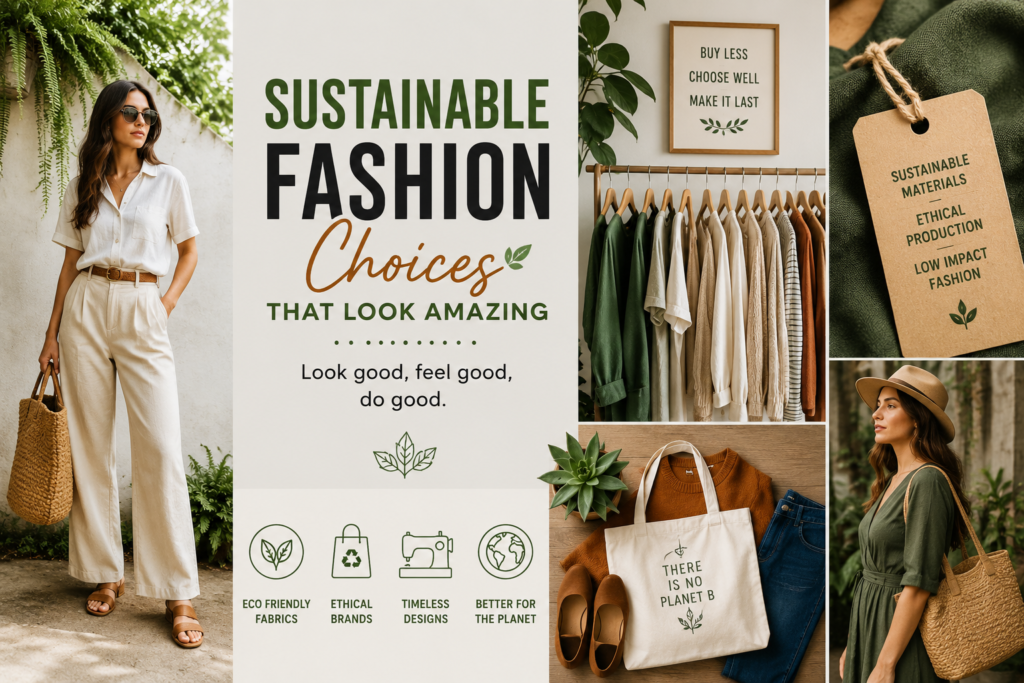
That count became my wake-up call. Not because I suddenly cared deeply about the planet, though I do now. The math just stopped making sense. I was spending real money on clothes that fell apart fast and looked cheap within weeks.
Switching toward sustainable fashion felt intimidating at first. I pictured shapeless hemp tunics and beige everything, the kind of aesthetic that prioritizes ethics over actually looking good. That assumption turned out to be completely wrong, and unlearning it took me down a genuinely interesting path.
Why Sustainable Fashion Got an Unfair Reputation
Sustainable fashion carries a stereotype that has not aged well. People picture scratchy organic cotton, muted earth tones, and shapeless silhouettes that prioritize virtue over style.
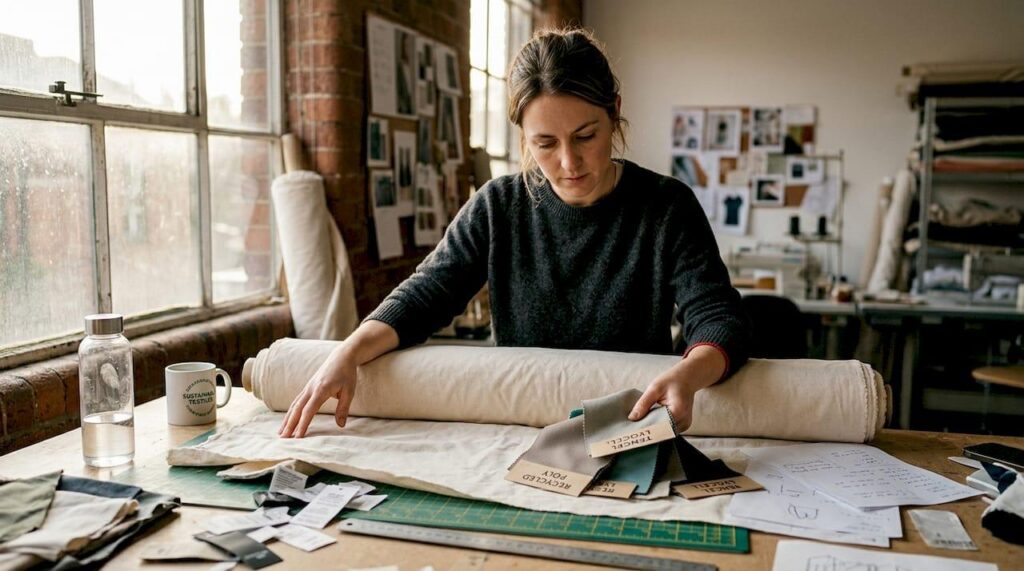
That image came from somewhere real. Early sustainable brands often did lean into a crunchy, minimalist aesthetic because the technology and supply chains were limited. Natural dyes produced fewer color options. Organic fabrics felt rougher before processing techniques improved.
Things have shifted dramatically. Designers now work with recycled materials that look and feel identical to virgin fabric. Dye techniques have advanced enough that sustainable pieces come in vibrant colors, not just oatmeal and sage. Some of the most striking outfits I own now came from brands built entirely around sustainability.
The stereotype persists mostly because people have not looked closely in the last five years. Fashion within this space moves fast, and the gap between sustainable and stylish has closed considerably.
Thrifting: Where Style and Sustainability Actually Overlap
Secondhand shopping became my entry point, and it remains the backbone of my wardrobe years later.
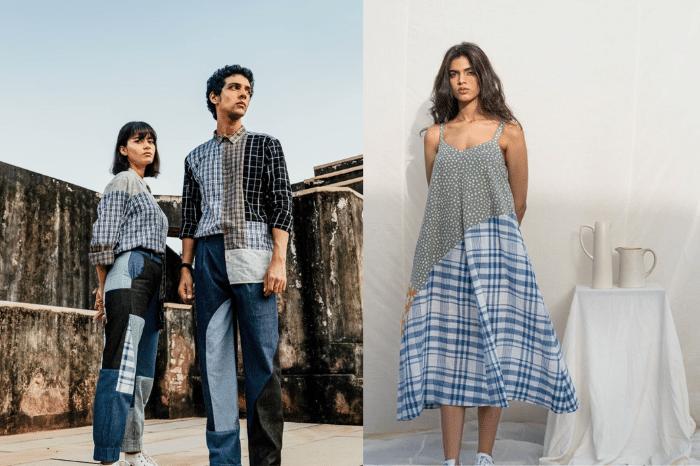
Buying clothes that already exist prevents new production entirely, which makes thrifting one of the most genuinely sustainable choices a person can make. It also happens to produce some of the most original outfits I have ever put together.
Fast fashion stores all stock the same trending pieces every season. Walk into any mall and you will see the same silhouettes repeated across five different stores. Thrifting breaks that cycle completely. You find vintage pieces nobody else has, discontinued styles from brands that no longer make them, and one-off finds that genuinely stand out.
Where to Actually Find Good Secondhand Pieces
Physical thrift stores still offer the best treasure hunting experience, though the quality varies wildly by location. Goodwill and Salvation Army locations differ store to store, so visiting a few different branches near you helps you learn which ones consistently stock better items.
Online resale platforms have transformed secondhand shopping into something far more searchable and reliable. ThredUp lets you filter by size, brand, and condition, which saves enormous time compared to digging through racks blindly. Poshmark works similarly but operates more like a marketplace where individual sellers list their own closets.
Depop has become the go-to platform for trendier, younger-skewing pieces, particularly vintage Y2K and streetwear styles. The Real Real focuses specifically on authenticated luxury resale, which matters if you are hunting for a designer piece without paying full retail or risking a counterfeit.
Vinted has also grown significantly, especially for European sellers, and tends to have competitive pricing with low fees compared to some competitors.
My Best Thrifting Tip After Years of Practice
Set a specific search instead of browsing randomly, especially online. Searching “vintage leather jacket” produces far better results than scrolling endlessly through general listings. I learned this after wasting hours scrolling without direction and walking away empty-handed.
For physical thrifting, go with a rough idea of what you need rather than an open mind about everything. Specificity prevents the overwhelm that comes from racks holding thousands of random items, and it keeps you from impulse buying things you will never actually wear.
Brands Doing Sustainable Fashion Right
Buying new sometimes makes sense, particularly for basics you wear constantly or items that need to fit a specific function. When I do buy new, I research the brand’s actual practices rather than trusting vague green marketing claims.
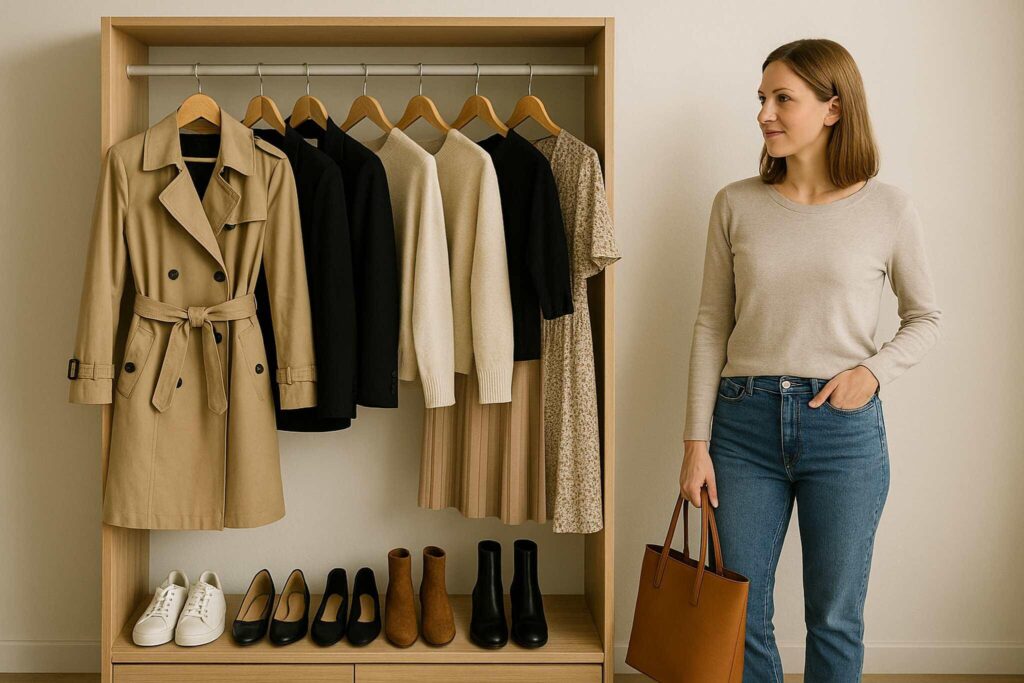
Patagonia remains one of the most transparent companies in the industry, publishing detailed information about their supply chain and material sourcing. Their Worn Wear program also lets you trade in old Patagonia gear for store credit, extending the life cycle of items that might otherwise end up in landfill.
Eileen Fisher built an entire program around garment recycling, taking back old pieces from any brand and either reselling, repairing, or recycling them into new fiber. Their clothing also tends to be genuinely beautiful, with an aesthetic built around timeless silhouettes rather than chasing seasonal trends.
Reformation has managed something rare in the sustainable space. The brand produces genuinely trendy, flattering pieces while tracking and publishing the environmental footprint of every single garment on their site. You can see the water usage and carbon footprint of a dress before buying it, which adds a layer of transparency most fast fashion brands actively avoid.
Girlfriend Collective makes activewear from recycled plastic bottles and fishing nets, and the quality has impressed me more than several premium athletic brands I have tried. Their size range also extends further than most competitors, which matters enormously for genuine inclusivity rather than just marketing language.
Fabric Matters More Than People Realize
Learning to read fabric content tags changed how I shop more than almost anything else on this list.
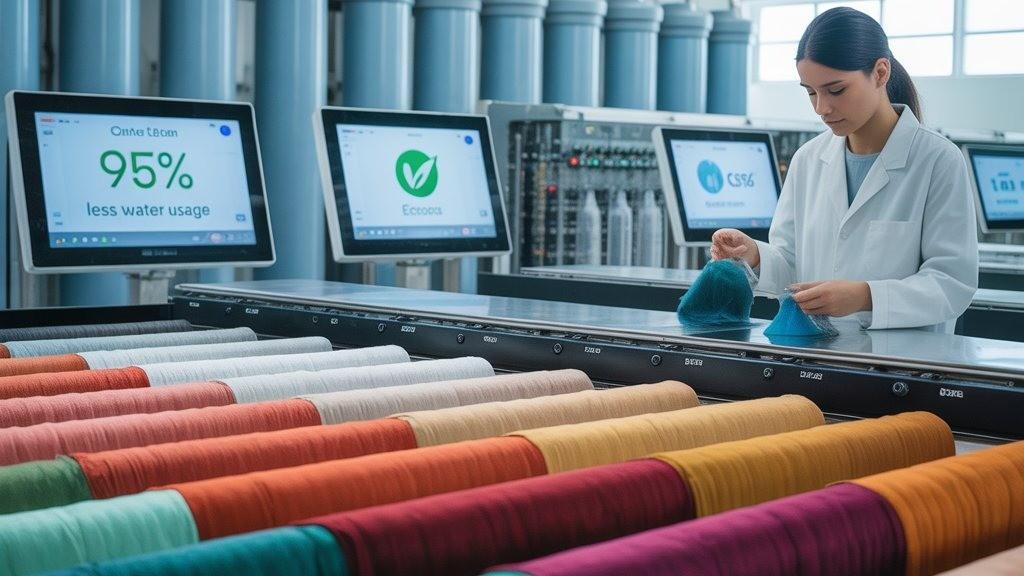
Polyester, the most common fabric in fast fashion, is essentially plastic. It sheds microplastics every time you wash it, and those microplastics end up in waterways and eventually in the food chain. It also does not biodegrade, meaning a polyester shirt thrown away today will technically still exist in a landfill centuries from now.
Natural fibers break down naturally and generally feel better against skin, though they come with their own environmental tradeoffs depending on how they are farmed and processed.
Fabrics Worth Prioritizing
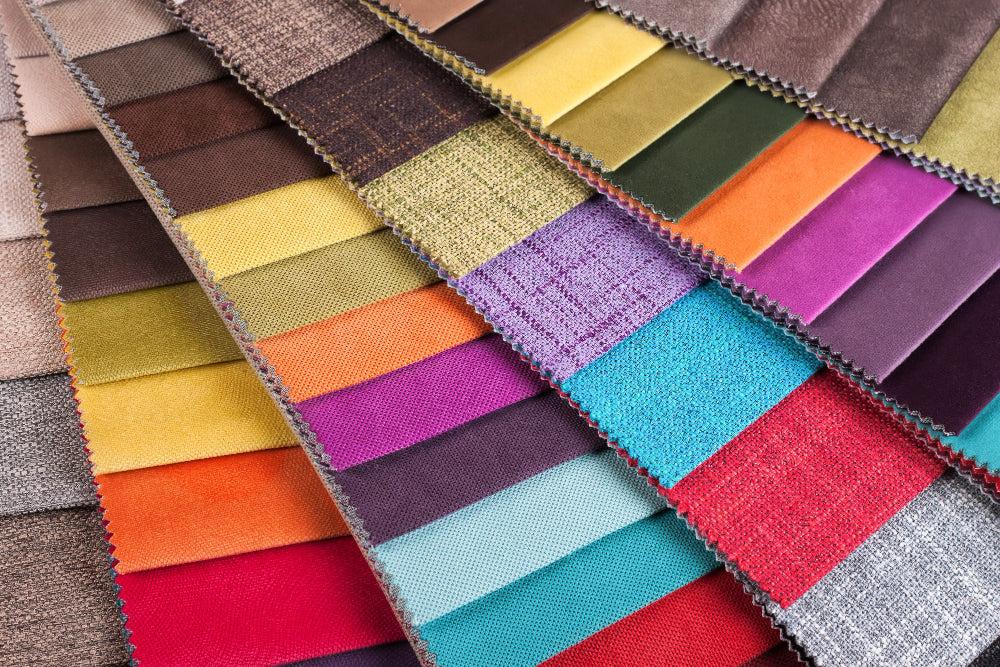
Organic cotton uses significantly less water and avoids the pesticides used in conventional cotton farming. Look for GOTS certification, which stands for Global Organic Textile Standard, as a reliable marker that the cotton actually meets organic requirements rather than just claiming to.
Linen comes from flax plants that require minimal water and pesticides compared to cotton. It also happens to look incredibly chic, with a relaxed, textured quality that photographs beautifully and works well in warm weather.
Tencel, also known as lyocell, comes from wood pulp processed in a closed-loop system that recycles the water and chemicals used in production. The fabric itself drapes beautifully and feels silky against skin, making it a genuine upgrade over polyester in both comfort and ethics.
Hemp has shed its scratchy reputation entirely as processing techniques improved. Modern hemp fabric feels soft and breathable, and the plant itself grows quickly with minimal water or pesticide input.
Recycled polyester, often labeled rPET, takes plastic waste like water bottles and transforms it into usable fabric. It is not perfect since it still sheds microplastics, but it diverts existing plastic from landfill rather than creating demand for new petroleum extraction.
Building a Capsule Wardrobe That Actually Works
Capsule wardrobes get talked about constantly in sustainable fashion circles, sometimes to the point of sounding like empty advice. Mine genuinely changed how I shop and dress, so I want to walk through how I actually built it.
Step One: Audit What You Already Own
Pull everything out of your closet and sort it into three piles. Items you wear regularly and love, items you have not touched in over a year, and items that need minor repairs to become wearable again.
This step alone usually reveals patterns. I discovered I owned eleven black t-shirts of similar cuts, which meant I had been buying the same item repeatedly instead of diversifying my actual wardrobe.
Step Two: Identify Genuine Gaps
Look at your wearable, loved pile and notice what is missing. Maybe you have plenty of casual tops but nothing appropriate for work meetings. Maybe your outerwear options are limited to one bulky coat that does not work for most weather.
Write down three to five genuine gaps rather than vague wishes. Specificity prevents you from buying things that seem appealing in the moment but do not actually solve a real problem in your wardrobe.
Step Three: Shop Those Gaps Intentionally
Search secondhand platforms or sustainable brands specifically for the gaps you identified. Resist the pull toward trending pieces that do not address an actual need, even if they look appealing in photos.
I give myself a 48-hour rule for anything outside my identified gaps. If I still want it after two days of consideration, I allow the purchase. Most of the time, that initial impulse fades.
Step Four: Care for What You Have
Sustainable fashion is not just about acquisition. Extending the life of items you already own matters just as much, sometimes more.
Learning basic mending skills saved several pieces I would have otherwise discarded. A simple needle and thread fixed a loose hem on jeans I love. YouTube tutorials cover almost any repair imaginable, from replacing a button to patching a small tear.
Washing clothes less frequently and on cold water settings extends fabric life significantly while also reducing energy use. Air drying instead of using a dryer prevents the heat damage that breaks down fibers over time and shrinks garments prematurely.
Renting Instead of Buying for Special Occasions
A wedding invitation used to send me into a shopping spiral, buying a dress I would wear once and then never again. That habit alone accounted for a surprising chunk of my closet clutter.
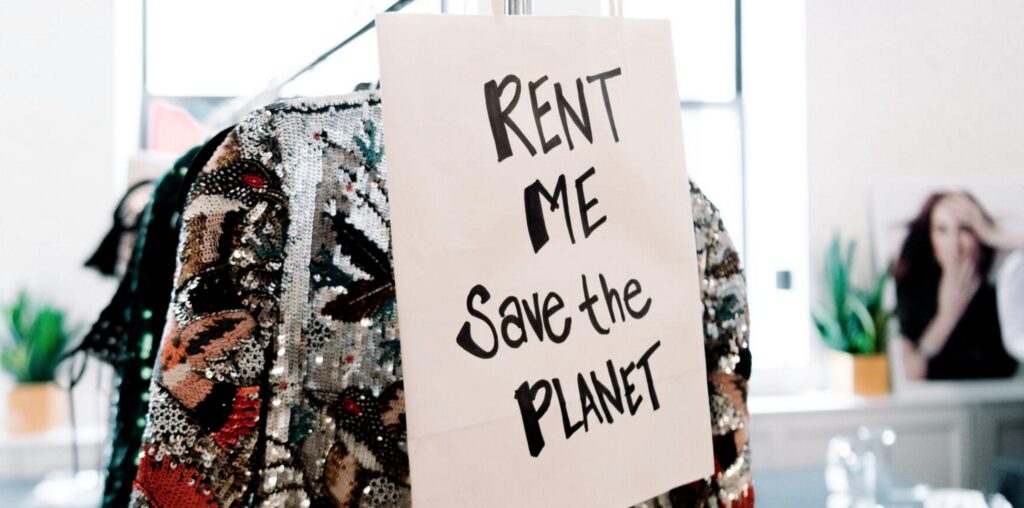
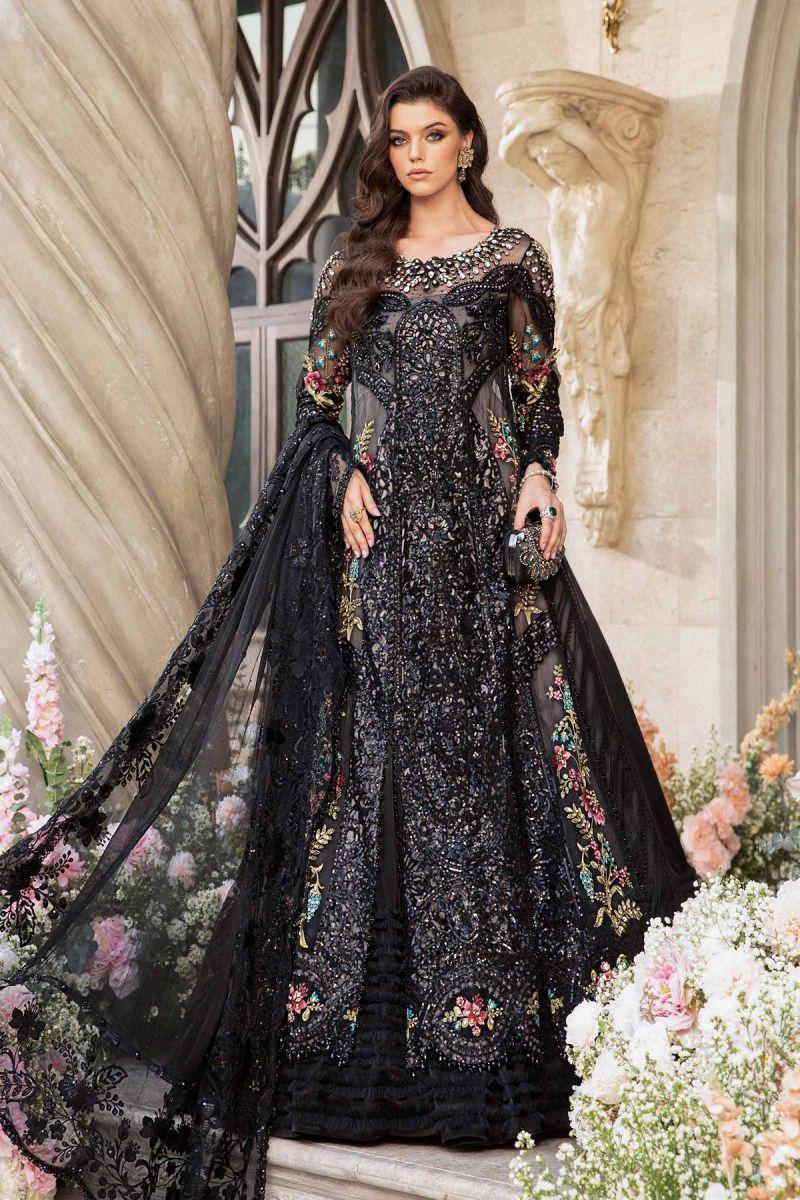
Rent the Runway changed this completely for me. The platform lets you rent designer dresses and formalwear for a fraction of retail price, then return them after the event. You get to wear something genuinely special without it sitting unused in your closet for years afterward.
Nuuly operates similarly but works on a subscription model, sending you a rotating selection of items each month rather than one-off rentals. This works particularly well for people who like experimenting with their style without committing to permanent purchases.
This approach solved a real problem for me rather than just sounding good in theory. Special occasion outfits are some of the least sustainable purchases most people make, precisely because they get worn so rarely relative to their cost and environmental footprint.
Common Mistakes I Made Along the Way
A few missteps taught me lessons worth sharing, since I suspect other people make the same ones.
I initially bought several pieces purely because a brand marketed itself as sustainable, without actually checking what that meant. Greenwashing runs rampant in fashion right now. Brands slap “eco-friendly” labels on products without meaningful certification or transparency behind the claim.
Checking for actual certifications became my fix for this. Look for specific markers like GOTS, Fair Trade Certified, or B Corp status rather than trusting vague language like “conscious” or “responsible,” which carry no regulated meaning whatsoever.
I also fell into the trap of overbuying sustainable pieces simply because they felt morally better than fast fashion. Buying ten sustainable items you do not need is not actually more sustainable than buying two items you genuinely love and will wear constantly. Volume itself remains a problem regardless of how ethically each individual piece was produced.
Ignoring fit and quality in favor of the sustainability label cost me money early on. A poorly fitting sustainable piece still ends up unworn in your closet, which defeats the entire purpose. Trying items on, checking return policies, and reading reviews matters just as much with sustainable brands as it does with any other purchase.
Forgetting about care instructions led me to accidentally ruin a few good pieces. Natural fibers sometimes require more careful washing than synthetic fabrics designed to withstand rough treatment. Reading care labels before tossing everything into one wash cycle saves you from shrinking or damaging items you actually wanted to keep long term.
Accessories and Shoes Deserve the Same Attention
Clothing gets most of the attention in sustainability conversations, but shoes and accessories matter just as much and often get overlooked entirely.
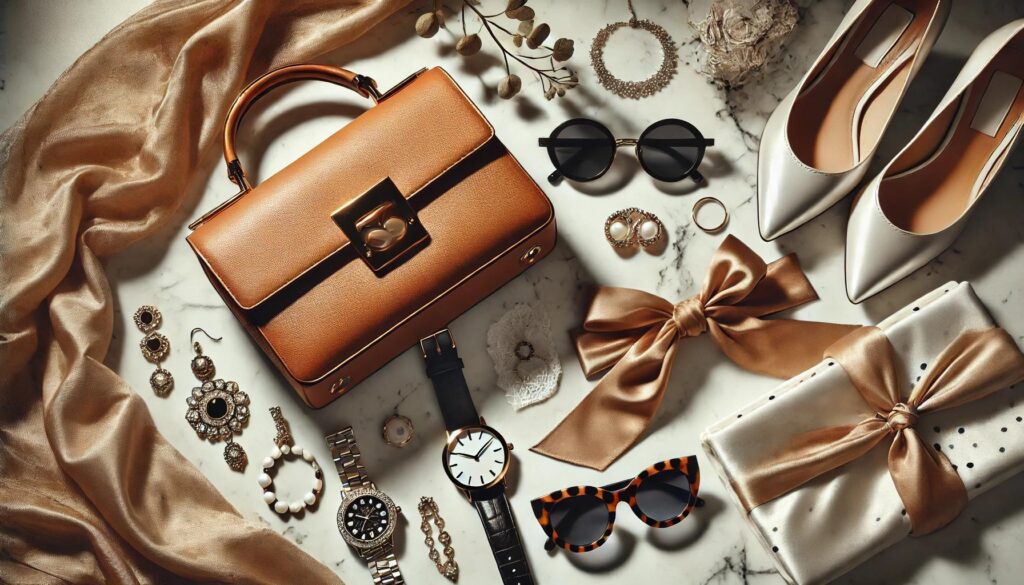
Vegan leather alternatives have improved dramatically in recent years. Brands like Stella McCartney and Matt & Nat use materials made from sources like apple peels, cactus fibers, and recycled plastics that look and feel remarkably close to traditional leather without the environmental and ethical concerns of animal leather production.
Allbirds built an entire shoe brand around sustainable materials, using merino wool and eucalyptus tree fiber for their popular sneaker lines. The shoes themselves have become genuinely fashionable rather than just functional, showing up on plenty of stylish feet rather than only eco-conscious ones.
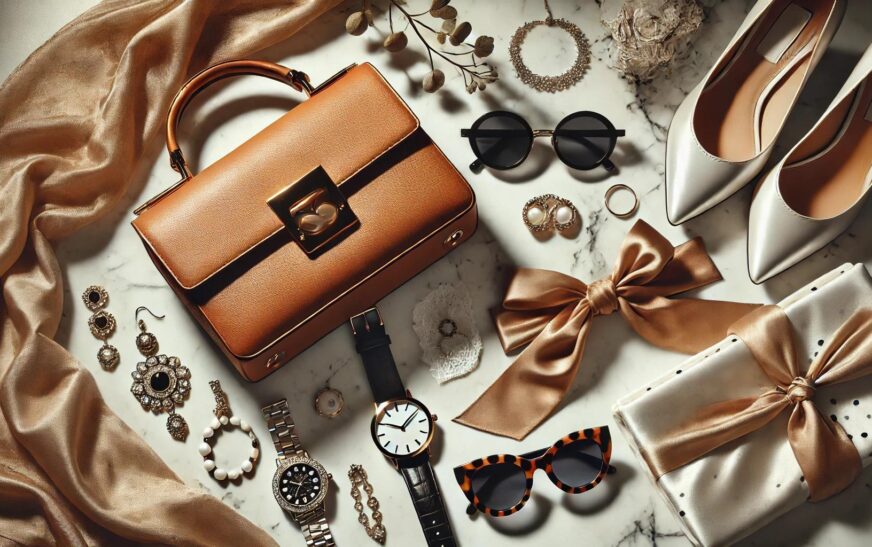
Vintage and secondhand jewelry offers another easy win. Estate sales, thrift stores, and platforms like Etsy’s vintage section often contain genuinely unique pieces that add character to an outfit in ways mass-produced new jewelry rarely matches.
How to Spot Genuine Sustainability Versus Marketing Spin
Brands have gotten clever about sustainability marketing, which makes telling genuine effort from surface-level spin increasingly tricky.
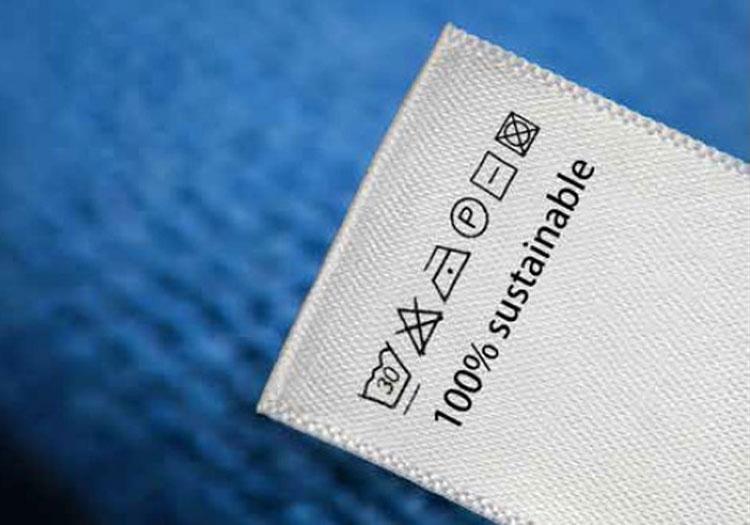
Look for specific numbers rather than vague claims. A brand saying they reduced water usage by 40% compared to industry average tells you something concrete. A brand simply claiming to be “eco-conscious” tells you nothing measurable.
Check whether the brand discloses their actual supply chain. Companies confident in their ethical practices generally share details about factories, labor conditions, and material sourcing. Vague language without specifics often signals there is something the brand prefers not to discuss.
Search for third-party certifications rather than trusting brand self-reporting alone. Certifications require independent verification, which removes the brand’s ability to simply claim sustainability without backing it up.
Apps like Good On You rate fashion brands across environmental impact, labor practices, and animal welfare, compiling research that would otherwise take hours to find yourself. I check this app regularly before buying from a brand I am unfamiliar with, and it has steered me away from several companies with misleading marketing.
Building Confidence in Your New Wardrobe
The style anxiety I expected when switching to sustainable fashion never actually materialized once I built my new approach. Compliments on outfits increased rather than decreased, mostly because thrifted and well-chosen sustainable pieces tend to look more distinctive than mass-produced fast fashion everyone else is also wearing.
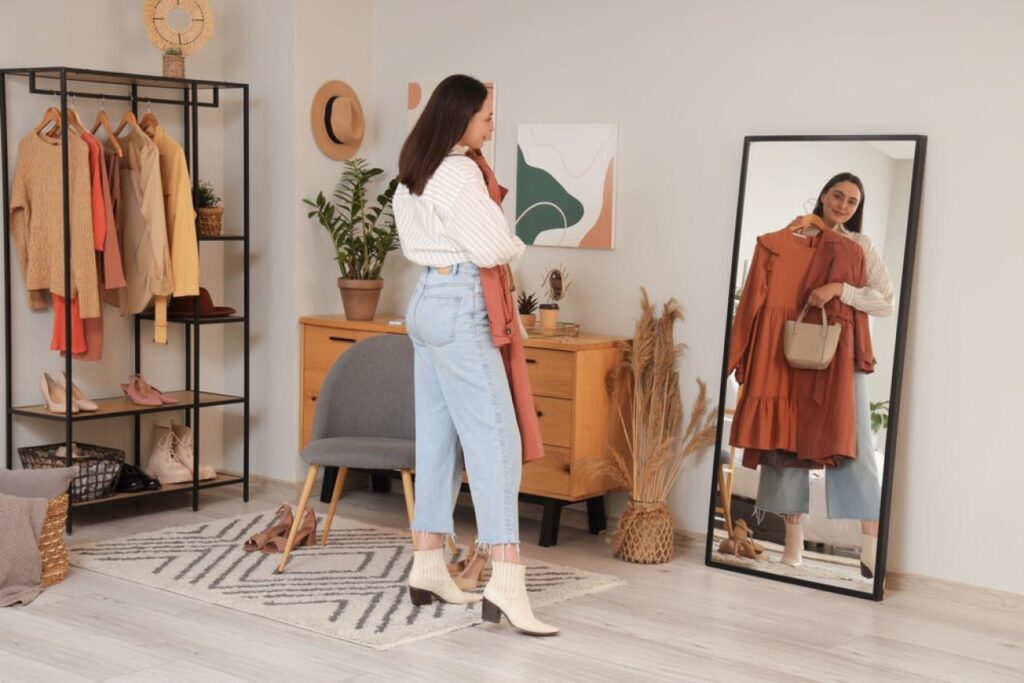
Friends started asking where I found specific pieces, genuinely surprised when I mentioned a thrift store or a smaller sustainable brand rather than a mall chain. That reaction reinforced something I had not expected going in. Sustainable fashion, done thoughtfully, often produces more interesting style than the alternative, not less.
Final Thoughts
That closet full of regret eventually transformed into something I actually feel proud opening every morning. Fewer pieces, better quality, more personality. The shift did not happen overnight, and I made plenty of mistakes figuring out what genuinely worked versus what just sounded good in theory.
Start small if this feels overwhelming. Pick one habit from this list, whether that means thrifting your next purchase or simply checking a brand’s certifications before buying. Small shifts compound over time into a wardrobe that looks better, lasts longer, and actually reflects who you are rather than whatever happened to be on sale that week.