

The Day I Wore White After Labor Day and Nobody Cared
My aunt called me from across the dinner table. “You know that’s white, right? It’s October.” She said it the way someone might point out a piece of spinach in your teeth. Genuinely concerned. Slightly horrified.

The blouse was off-white, technically. Cream, maybe. But even if it had been blinding white, I had stopped caring about that particular rule somewhere around my late twenties, when I realized most fashion rules exist not to make you look better, but to keep you manageable. Predictable. Easy to categorize.
That dinner was also the night I started paying attention to which rules actually serve you and which ones just serve someone else’s comfort level.
Here is the thing about fashion rules: most of them were invented for a reason that no longer exists. White after Labor Day? That came from a time when white linen summer clothes needed to be packed away before the fall social season began. Black and navy together looking “wrong”? That was a dye-consistency issue from decades ago when the two colors would clash because manufacturers could not standardize their tones. Wear what flatters your body type? That one was invented by magazines to sell clothes by making you feel like you needed a specific solution for your specific “problem.”
The rules are old. Your life is now. These two things do not always match.
Why Fashion Rules Hold So Much Power Over Us
Before getting into which rules to break and how to break them confidently, it helps to understand why we follow them in the first place. Because it is not stupidity. Most people who follow fashion rules religiously are actually quite stylish. They just learned the wrong lesson from the right instinct.
The right instinct: cohesion matters. Putting together an outfit that feels considered and complete is a genuine skill.
The wrong lesson: there is only one correct way to achieve that.
Rules feel like shortcuts. If you follow them, you will never make a mistake. Except that is not how style works. Some of the most memorable, genuinely inspiring outfits break three or four traditional rules at once. They work because the person wearing them committed fully. Uncertainty is what makes an outfit look wrong, not the actual combination.
Magazines, social media, and fashion retail have a vested interest in keeping you slightly unsure of yourself. If you feel confident in what you own, you stop buying new things. The rules keep the anxiety alive.
Fashion Rules Worth Ignoring (And What to Do Instead)
Rule 1: No White After Labor Day
This might be the most famous fashion rule in existence, and it is also one of the most outdated.
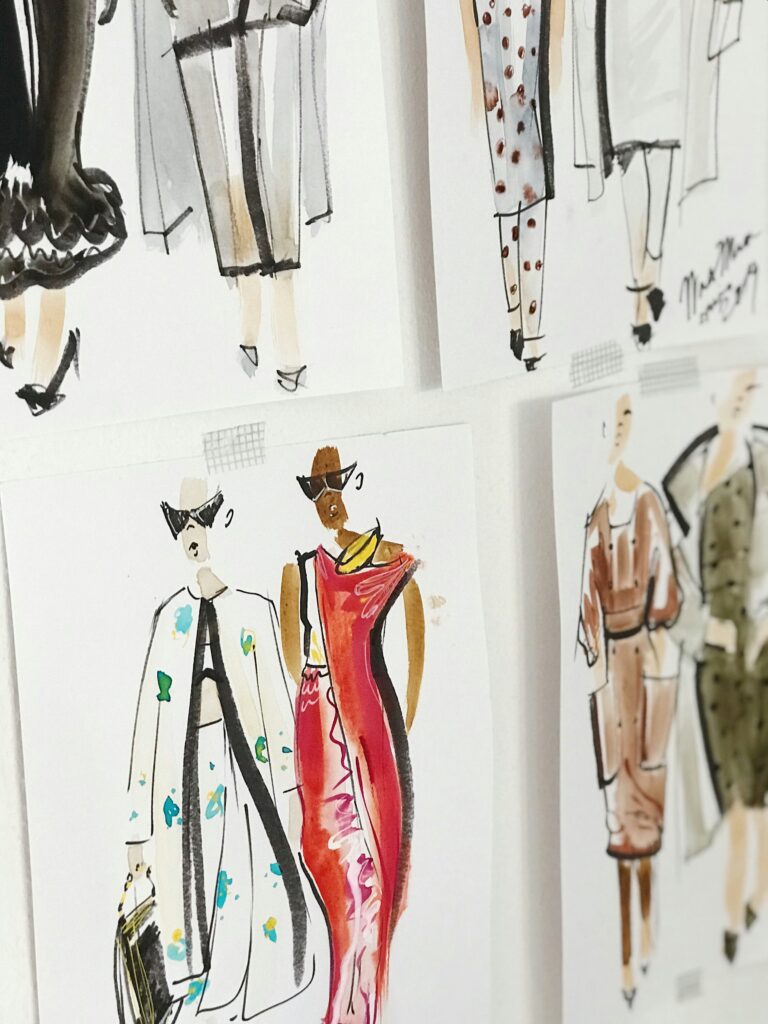
White in autumn and winter actually works beautifully. Cream knits, ivory coats, white wide-leg trousers with camel boots. The combination of white against the richer textures of the season, wool, suede, velvet, creates something that feels genuinely elevated.
The trick is texture. Summer white is light and floaty. Autumn-winter white is structured and warm. A crisp white linen shirt reads as a summer mistake in November. A chunky ivory turtleneck reads as intentional and sophisticated.
Wear white whenever you want. Just match the weight of the fabric to the season.
Rule 2: Match Your Metals
Gold jewelry with gold hardware. Silver with silver. Never mix.
This rule came from a place of coordination, which is a fine instinct, but it went too far. Mixed metals can look incredibly intentional when done right. Layering gold and silver necklaces together, wearing a silver watch with gold earrings, mixing rose gold and yellow gold on your fingers. These combinations look curated rather than careless when you commit to them.
The thing to avoid is accidental mixing. If one piece is gold because that is what you grabbed, and another is silver because you forgot to take it off, it can look absentminded. The goal is to mix them deliberately so it reads as a choice, not an oversight.
Start small. Try one gold and one silver ring on the same hand. See how it feels. Once you get comfortable with the idea, it stops feeling like a rule violation and starts feeling like your actual aesthetic.
Rule 3: Prints Should Not Mix
This one intimidated me for years. I owned so many prints and wore them each in careful isolation, always with a solid, never with another pattern, terrified of looking chaotic.
Then I visited a vintage market and watched a woman walk by in a floral blouse tucked into plaid trousers, and I stopped walking entirely. She looked incredible. Not messy. Not confused. Absolutely, completely intentional.
The secret to mixing prints is scale and color. Pick patterns that are different in size, one large-scale and one small-scale, and pull them together with a shared color. A large botanical print blouse and small-check trousers that share the same mustard yellow will cohere because of the color, even though the patterns are completely different.
Stripes are the most versatile mixing partner. Thin stripes play well with almost any other print because they read almost as a neutral. Florals and stripes together, especially when they share a color, is one of those combinations that sounds chaotic on paper and looks brilliant on a person.
Rule 4: Dress for Your Body Type
This is the rule I wish had never existed.
The “body type dressing” framework tells you that your body is a problem requiring strategic camouflage. Pear shapes should do this. Apple shapes should avoid that. Hourglass figures can wear anything as a reward for existing in the culturally preferred configuration.

None of this is actually about what looks good. It is about shrinking and minimizing and making yourself appear closer to one ideal silhouette.
Wear what you like. Wear what makes you feel interesting. A person who genuinely enjoys what they are wearing moves through the world differently than someone who dressed strategically to appear thinner or more proportional. That confidence is visible. The “flattering” calculation is not.
The only question worth asking when getting dressed is whether you feel like yourself. Everything else is noise.
Rule 5: Black and Navy Should Never Meet
For a long time I genuinely believed this. Then someone pointed out that the navy in a classic French sailor stripe and the black of a leather jacket actually look very good together, especially at night. Now I see this combination everywhere.
The rule exists because badly dyed fabrics from different manufacturers would create an awkward, almost-matching clash. Modern fabrics and deliberate styling make this a complete non-issue.
Black and navy together reads as rich and slightly unexpected. It works especially well when the textures differ, a matte black blazer over a navy silk blouse, or a black structured bag against a navy-blue midi dress.
The one thing to avoid is choosing the combination because you could not see clearly in dim lighting. That is the accidental version. The deliberate version, where you pick both colors on purpose, looks polished and slightly daring.
Rule 6: Casual and Formal Cannot Mix
Sneakers with a suit. A blazer over a band tee. A gown with flat sandals. A tuxedo jacket with jeans.
This type of mixing, sometimes called “high-low dressing,” has been popular for well over a decade, and still some style guides treat it as a mistake to avoid.
The mixing of formal and casual registers is actually one of the most interesting things you can do with clothes. It signals that you understand the rules well enough to break them, which reads as confidence. It also makes high-end pieces look less intimidating and casual pieces look more considered.
The key is proportion. If the casual element is the bottom half, the formal element needs to be properly fitted on top. A blazer that is too big with jeans reads as accidental. A sharply tailored blazer with well-fitting jeans reads as deliberate and stylish.
Start with one rule-breaking swap. Add one formal element to an otherwise casual outfit, or one relaxed element to something polished. See how it changes the way the overall outfit feels.
Common Mistakes When Breaking Fashion Rules
There is a difference between breaking rules confidently and ignoring the principles underneath them.

The biggest mistake people make when trying to break rules is doing it halfway. Mixing prints while looking apologetic about it. Wearing a bold color while slouching. Pairing unexpected items while constantly checking if it works. The outfit does not make the statement. The person wearing it does.
Another mistake is breaking every rule at once, especially when you are not yet comfortable doing it. Start with one rule violation per outfit. Get comfortable with that. Let it become part of how you naturally dress rather than something you have to psych yourself up for.
Some people also break rules as a performance. They want to be seen as rule-breakers, which is different from simply liking what they like. The most genuinely stylish people are not trying to shock anyone. They are just wearing what makes sense to them and moving on with their day.
How to Build the Confidence to Actually Do This
Knowing a rule can be broken is not the same as feeling okay breaking it. Here is how to build that comfort gradually.
Start at home. Put together outfits you would not normally wear and wear them around the house. Spend a few hours in them. Sit with how they feel before deciding if you are comfortable taking them outside.
Borrow inspiration from people you actually admire. Not runway looks, unless that genuinely excites you, but real people. Street style photography, specific accounts on Pinterest or Instagram that consistently show a style you connect with. Notice which rules they are breaking and which ones they are keeping.
Take photos of your outfits. This sounds very influencer-coded but it is genuinely useful. Seeing yourself in a photo gives you the distance of a third perspective. Something that felt questionable in the mirror often looks completely fine in a photo, and vice versa.
Shop vintage and secondhand. Vintage clothing breaks fashion rules by definition because it comes from different eras with different aesthetics. When you wear vintage, you are automatically mixing time periods and sensibilities. It builds fluency with unexpected combinations.
The Actual Goal Behind All of This
Style is not about following rules or breaking them. It is about developing enough familiarity with your own preferences and with how clothes work that the rules become irrelevant. You stop asking whether something is allowed and start asking whether you like it.

That shift takes time. It takes trying things that do not work and figuring out why. Wearing something bold and feeling awkward and wearing it again and feeling less awkward the second time. Slowly building a wardrobe that reflects something real about who you are rather than a careful audit of what you were told is appropriate.
My aunt still mentions the white blouse sometimes. She has come around on it, mostly. Last winter she texted me a photo of a cream wool coat she was considering buying, wanting my opinion.
Some rules take longer to unlearn than others. The unlearning is always worth it.