
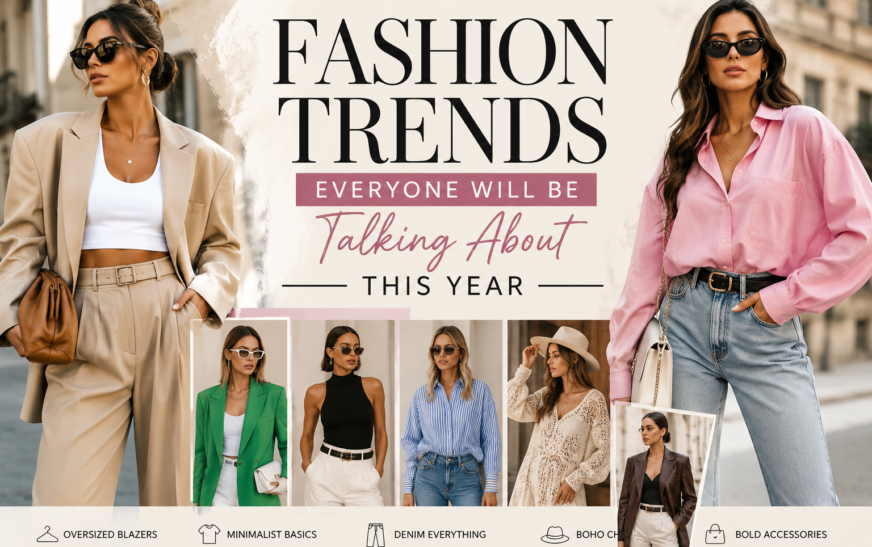
Last spring I wore a wide-leg trouser to a birthday dinner and three different people asked me where I got them. Not in a polite way. In a genuinely curious, slightly urgent way, like they needed to know immediately. One of them pulled out her phone right there at the table to search for them.
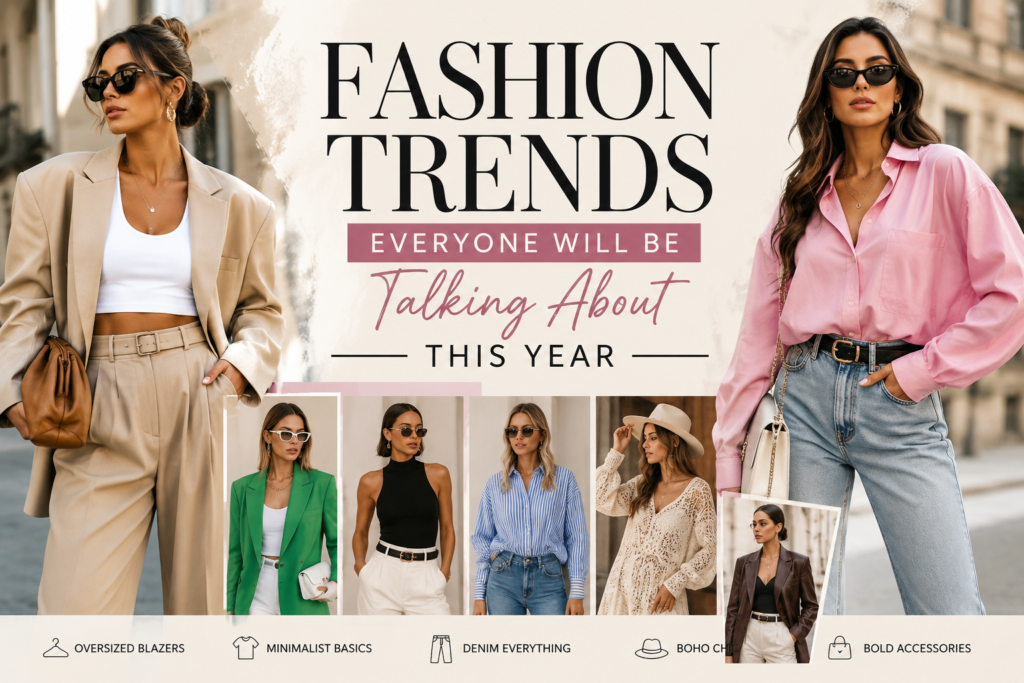
That moment told me something had shifted. Wide-leg trousers had gone from a niche throwback silhouette that fashion people were whispering about to something the general population was actively hunting for. The trend had crossed over.
Fashion moves in waves and right now several waves are hitting at once. Some of them are comfortable and wearable for almost anyone. Some require a bit of nerve. All of them are showing up consistently enough that ignoring them means your wardrobe starts feeling stale without you being able to explain exactly why.
So here is what is actually happening this year, written by someone who pays close attention, makes mistakes, buys things that do not work, and occasionally gets it right enough that strangers ask questions at birthday dinners.
The Silhouette Story This Year Is All About Proportion Play
If you want to understand fashion trends at their root rather than just chasing individual pieces, start with silhouette. The shape of what you wear matters more than the specific item.
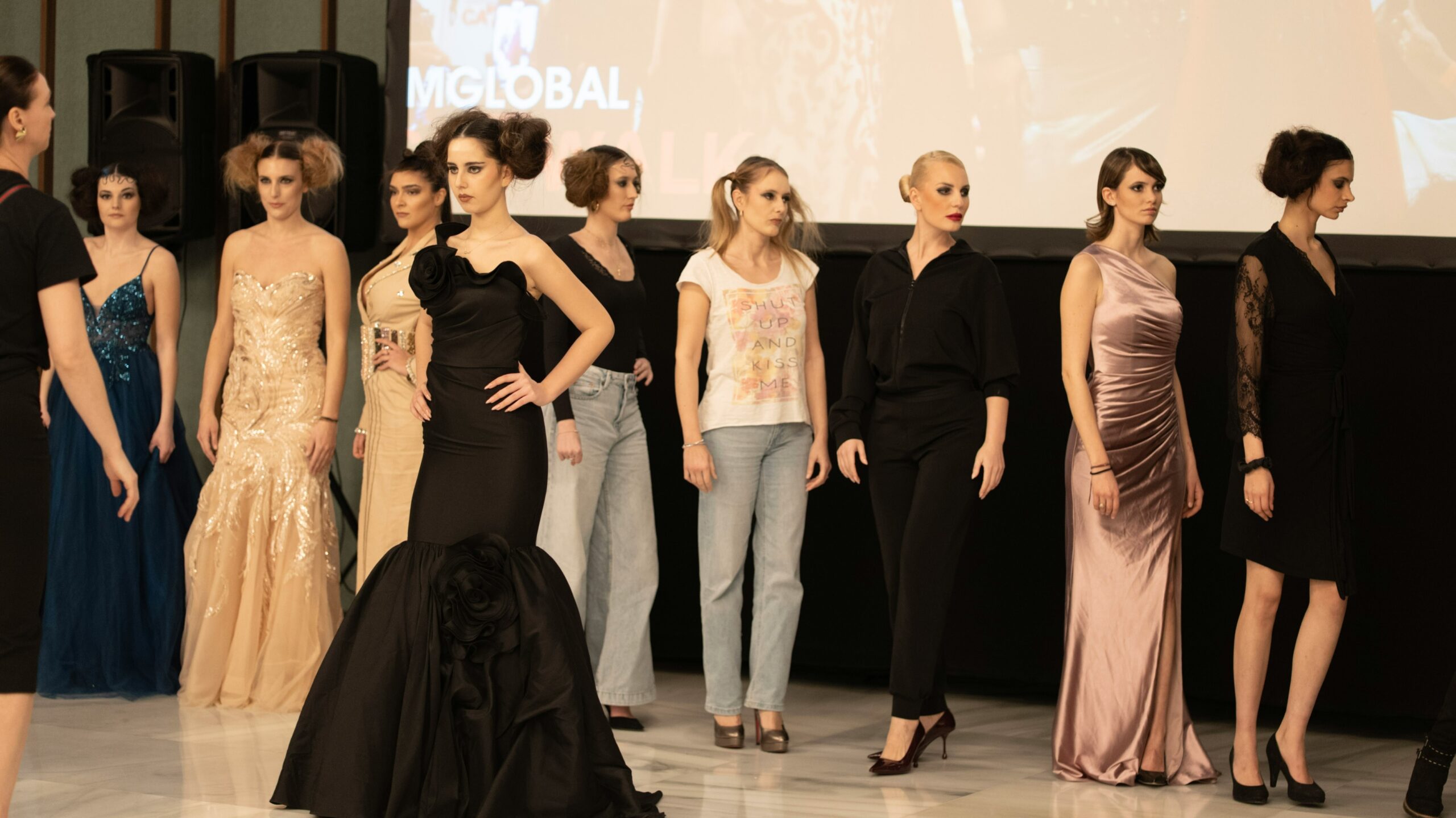
Right now the dominant conversation is about exaggerated proportions used deliberately. Very wide legs paired with a fitted top. An oversized blazer worn with slim trousers or a short skirt. Volume on top with something streamlined below. The combination of extremes is the point.
This is a departure from the head-to-toe relaxed fit that dominated for a few years. Baggy on baggy started feeling shapeless rather than intentional. Proportion play gives the same ease and comfort but adds a sense that choices are being made on purpose.
How to Actually Wear Proportion Play Without Looking Lost in Fabric
The most common mistake I see is going oversized on both top and bottom simultaneously without an anchor point. The anchor is what makes exaggerated proportions read as intentional rather than accidental.
A belt at the waist of an oversized blazer is an anchor. A fitted turtleneck tucked into wide-leg trousers is an anchor. Cropped anything paired with wide anything is an anchor. The anchor tells the eye where the body is inside the volume.
Starting with one exaggerated piece and keeping everything else fitted is the safer entry point. Master that before trying to balance volume on both ends.
Wide Leg Everything Is Not Slowing Down
Wide-leg trousers were supposed to be a moment. That moment has now lasted several years and shows no sign of stopping. The silhouette has expanded from trousers into wide-leg jeans, wide-leg shorts, and wide-leg suiting in ways that suggest it has moved from trend to genuine shift.
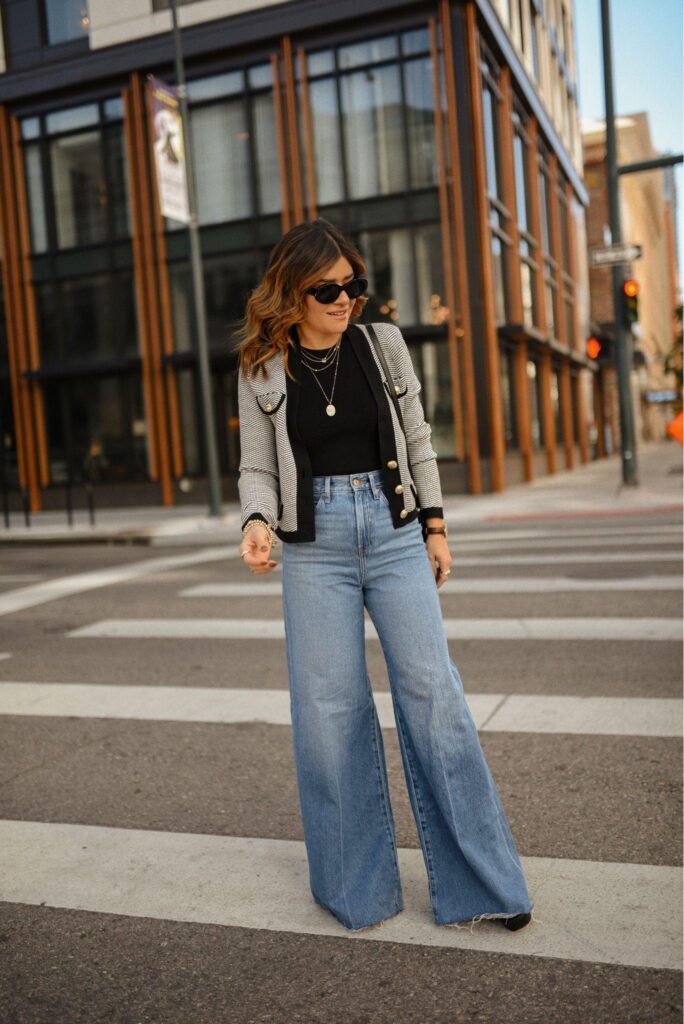
The reason it stuck is practical. Wide-leg trousers are comfortable in a way that skinny jeans simply are not, and they look put-together in a way that sweatpants do not. They occupy a middle ground that a lot of people were looking for after spending two years in athleisure.
Finding the Right Wide Leg for Your Height
Height affects how wide-leg trousers work significantly. Very wide hems on short frames can overwhelm unless the trouser is cropped to just above the ankle and worn with a heel or a pointed-toe flat that extends the leg line visually.
On taller frames, floor-grazing wide legs look genuinely dramatic in a good way. The fabric pools slightly and the whole thing reads as intentional runway rather than accidental hem.
ASOS, & Other Stories, and Arket all have good options at different price points. For denim specifically, Agolde and Citizens of Humanity have wide-leg styles that hold their shape wash after wash, which matters more than people think when you are paying a higher price point.
Quiet Luxury Got Loud Enough to Become Its Own Trend
Quiet luxury as a concept started in styling circles and has now filtered through enough that it has a name most people recognize. The idea is expensive-looking clothes that do not announce themselves through logos or obvious branding. Cashmere in neutral tones. Tailored trousers in good fabrics. A perfect white shirt that costs more than it looks like it does.
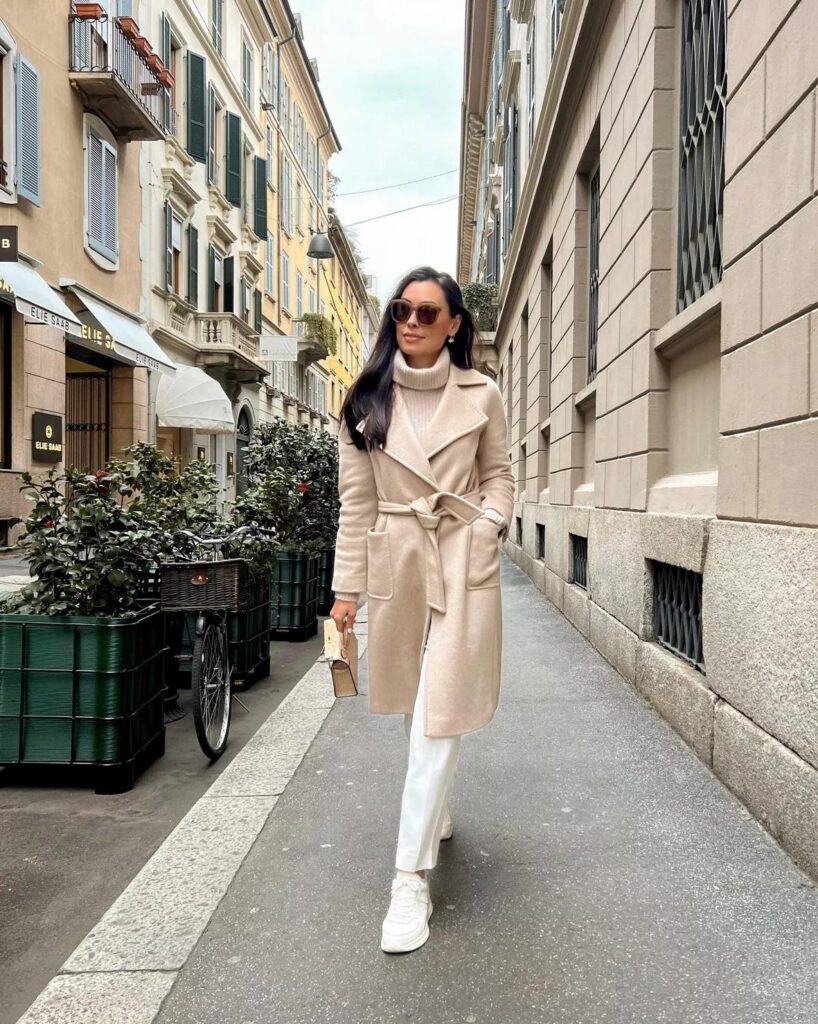
The aesthetic has a specific reference point: old money rather than new money. The kind of wealth that does not need to prove itself through visible logos because it was never insecure about existing in the first place.
Getting the Look Without the Price Tag
The actual quiet luxury pieces from brands like Loro Piana, Brunello Cucinelli, and The Row cost amounts that most people cannot and should not spend on clothing. But the aesthetic is completely replicable at other price points because the whole point is that nothing is branded loudly enough to be identified.
Uniqlo’s cashmere is genuinely good quality for the price. Massimo Dutti does tailored basics in fabrics that photograph as expensive. Quince does cashmere and linen at prices that make the aesthetic accessible to people who are not spending five figures on a sweater.
The key items to focus on are the ones with the most visual impact: a well-cut blazer, a good cashmere crewneck, tailored trousers in camel or charcoal, a leather belt with simple hardware, and shoes that are clean and classic rather than trendy. Get those five things right and the rest of the wardrobe builds itself.
The Return of the Ballet Flat and What It Actually Means
Ballet flats disappeared for a long time. The chunky-sole era made them feel dated and small. Now they are back, and not quietly. Pointed-toe ballet flats in particular are showing up on every street style account, in every fashion week recap, and increasingly on the feet of people who have no idea fashion week exists.
The reason for the return connects to a broader exhaustion with maximalism in footwear. Platforms, chunky soles, and statement sneakers require a certain kind of commitment. Ballet flats are elegant without effort, which is exactly the energy a lot of people are looking for right now.
What to Pair Ballet Flats With in 2025
The modern way to wear a ballet flat is not the 2000s way. Back then it was ballet flat plus skinny jeans plus a fitted top. Now the combination that works is ballet flat plus wide-leg trouser or midi skirt plus something relaxed on top.
The proportion tension between the delicate flat and the volume of a wide trouser is exactly the kind of deliberate contrast that reads as current rather than nostalgic. Toteme, Reformation, and Jacquemus have versions that are objectively beautiful but expensive. Mango, Zara, and H&M have versions that look almost identical at a fraction of the cost.
The one thing worth spending more on is construction. A ballet flat that loses its shape after ten wears is not a saving. A pair with a decent insole and stitched rather than glued sole will last seasons. Charles & Keith and Sam Edelman sit in a mid-range price point that offers noticeably better construction than fast fashion without requiring luxury prices.
Sheer Layers Are Everywhere and the Way to Handle Them
Sheer fabric in various forms is one of the more interesting trends because it requires confidence that not everyone immediately has. Sheer tops, sheer skirts worn over shorts or trousers, sheer overlay dresses worn over slips, the aesthetic asks you to show more than you might normally show while still technically being covered.
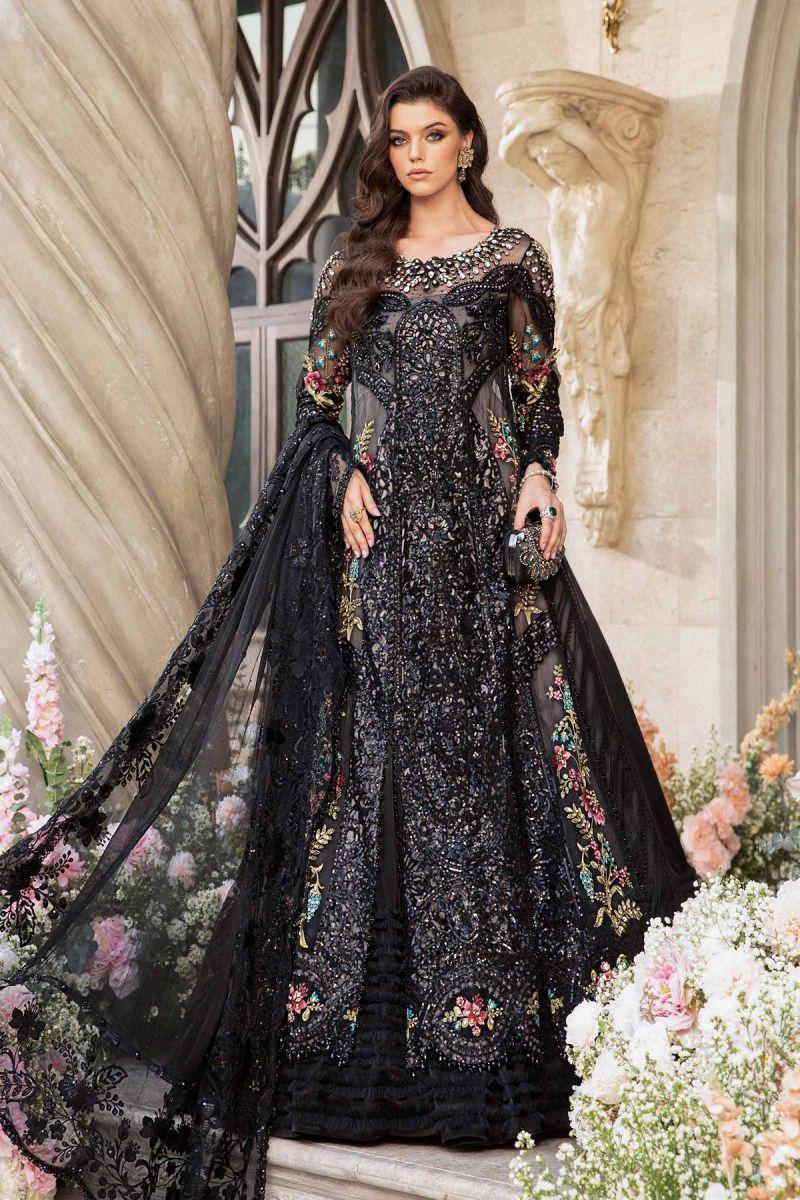
The approach that makes sheer work for most people is treating the sheer piece as a layer rather than a statement on its own. A sheer button-down shirt worn open over a fitted tank and wide-leg trousers uses the sheerness as texture rather than as the main event. A sheer midi skirt worn over bike shorts creates the same silhouette as a regular midi skirt but with visual lightness that reads as sophisticated rather than underdressed.
Buying Sheer Without Buying Cheap
The issue with sheer at lower price points is that cheap sheer looks immediately cheap. The fabric hangs wrong and goes misshapen after a single wash.
Better quality sheer, even at mid-range prices, holds its drape and moves correctly. Sandro and Ba&sh do excellent sheer pieces at a price point that is accessible on sale. For more budget-friendly options, looking for sheer items in natural fibers like silk chiffon or cotton voile rather than 100% polyester makes a visible difference in how the piece behaves on the body.
Denim Gets Interesting Again With Unexpected Finishes
Denim has been in transition for a few years, moving away from the distressed and ripped looks that dominated and toward cleaner, more structured versions. This year that evolution is getting more specific.
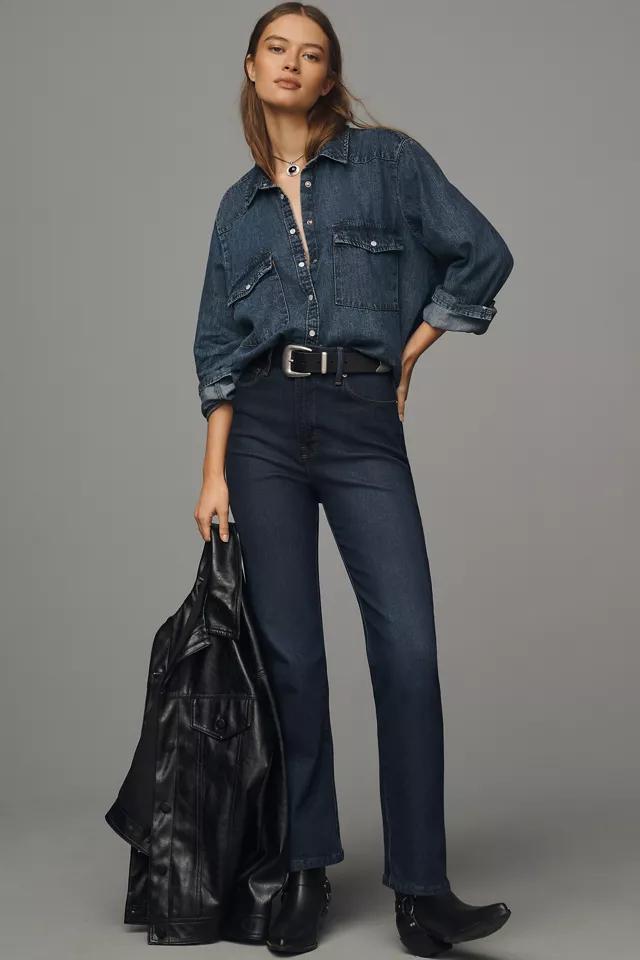
Dark rinse straight-leg jeans are the workhorse of the moment. Clean, no distressing, sits at the natural waist or just below, straight through the leg. Looks good with almost everything and reads as intentional without trying too hard.
Beyond that workhorse piece, the interesting denim moves are happening at the edges. Barrel-leg jeans, which are wider through the thigh and upper leg and tapered slightly at the ankle, are picking up significantly. The silhouette is flattering in ways that pure wide-leg is not always, because the taper at the ankle creates a proportion that works across different heights and body types.
Getting Denim Right When There Are Too Many Options
The denim market is genuinely overwhelming and the price range from ten dollars to five hundred dollars makes it hard to know where to land. A few things help narrow it down.
Fit through the seat and thigh matters more than any other measurement because that is where most people find jeans frustrating. Buying a slightly larger size and having the waist taken in by a tailor costs around twenty dollars and produces a pair of jeans that fits correctly across the board.
For mid-range denim that performs well, Madewell, Everlane, and Weekday all have strong options. Their basics hold up to regular washing in ways that some faster fashion alternatives do not. For premium denim worth the price, Agolde and Frame both make denim that keeps its shape through years of wear.
The Color Story: Unexpected Browns and Saturated Blues
Color trends are harder to track than silhouette trends because they feel more personal and more arbitrary. But this year two specific color directions are showing up persistently enough to mention.
Brown is having a genuinely sophisticated moment. Not the flat camel or beige that has been around for a while, but richer, darker browns. Chocolate, espresso, cognac. These shades work as neutrals in the way that black and white do but with more warmth, and they layer together in ways that feel cohesive without being matchy.
The saturated blue story is different in character. Electric blue, cobalt, and vivid cerulean are showing up as statement pieces. One item in a vivid saturated blue against an otherwise neutral outfit is currently one of the strongest single-item moves you can make.
Wearing Color When You Usually Do Not
The barrier with bold color for most people is not taste, it is habit. Years of building a wardrobe around black, grey, and navy create a situation where adding even one vivid piece feels dissonant.
The easiest entry point is accessories. A cobalt blue bag against an entirely neutral outfit is enough to read as current without requiring any fundamental wardrobe reconstruction. A chocolate brown belt or shoe works the same way. The color registers as intentional and the rest of the outfit does the work of making it look considered.
The Revival of the Trench Coat as a Year-Round Piece
Trench coats never fully went away but they receded into background status for a while. Right now they are front and center again, worn across more seasons than they traditionally occupied.
The classic tan cotton gabardine trench is the foundation. Burberry is the reference point even if nobody is buying the Burberry version specifically. What makes the classic trench work is the detail: the storm flap, the D-rings, the belted waist, the way the collar sits when popped. These details are what separate a trench coat from a beige coat that happens to be long.
Beyond the classic, leather trenches and oversized trenches in unexpected colors are doing a lot of work in the trend conversation. A black leather trench is a strong statement piece that anchors an entire outfit. An oversized ecru trench worn as a dress with nothing else visible underneath is an editorial move that more people are attempting.
Where to Find a Trench That Lasts
The difficulty with trenches at lower price points is construction. The belt falls apart, the buttons look cheap, or the gabardine goes shiny after a season. Investing slightly more in a trench makes sense because the item is not seasonal. A well-made trench coat worn from September through May in most climates gets an extraordinary amount of use per dollar spent.
M&S in the UK consistently produces excellent trench coats at accessible prices. Club Monaco, Reiss, and L.K. Bennett hit a mid-range sweet spot. For budget options, Zara’s outerwear in particular often photographs and wears better than the price suggests.
Accessories Are Making the Loudest Statements Right Now
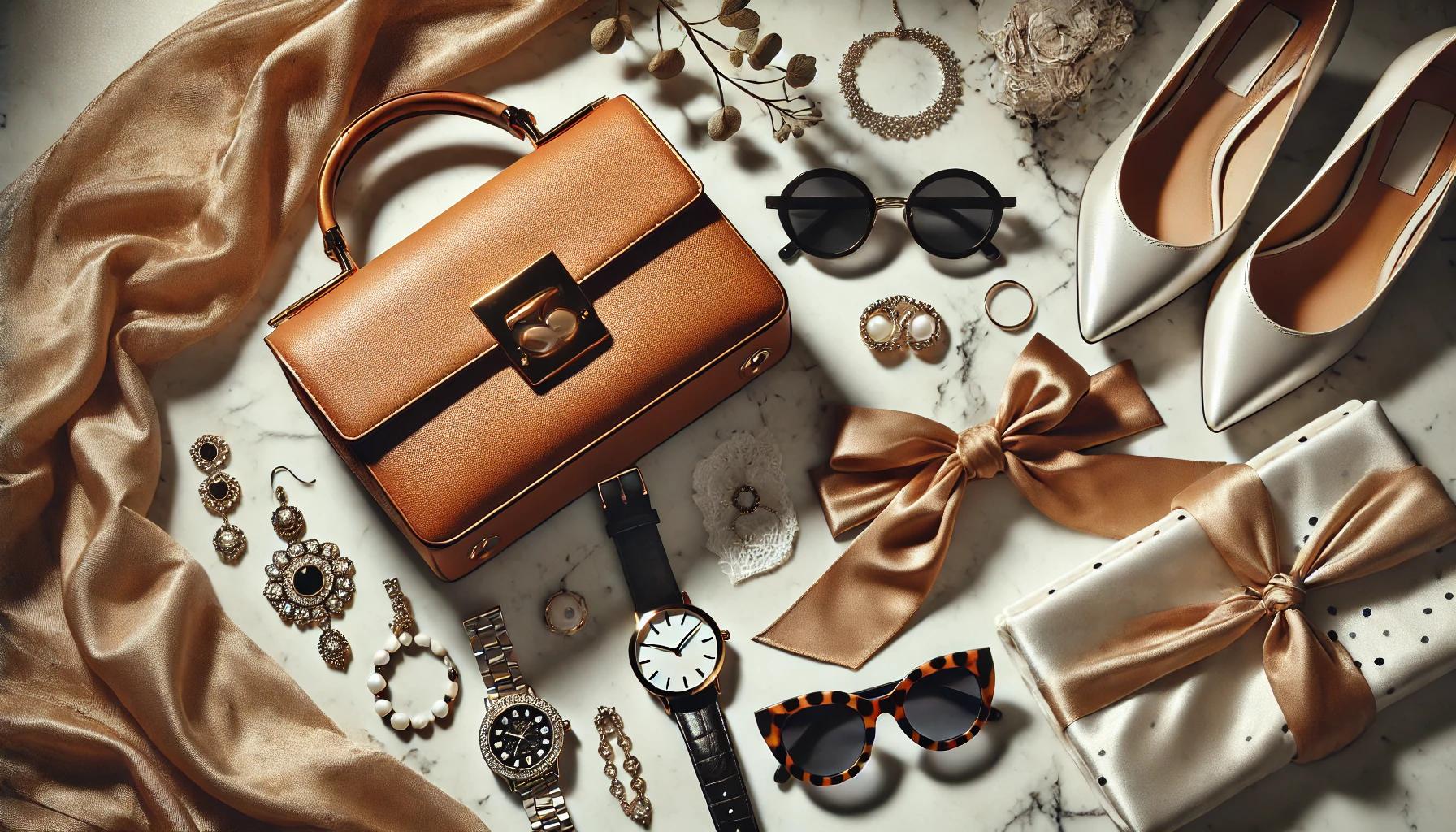
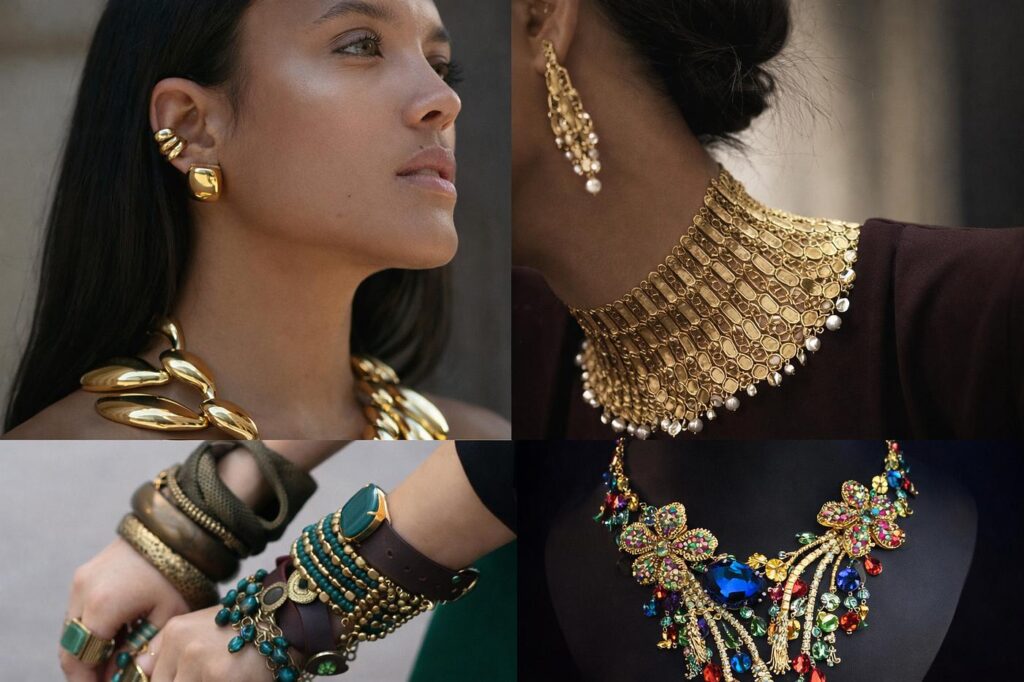
If you track fashion trends through accessories rather than clothing, the picture is particularly interesting this year. A few specific items are doing a lot of conversational work.
Oversized sunglasses in retro shapes, specifically 70s shield shapes and wide rectangular frames, are everywhere. The shield sunglass in particular went from niche to mainstream faster than most trend movements.
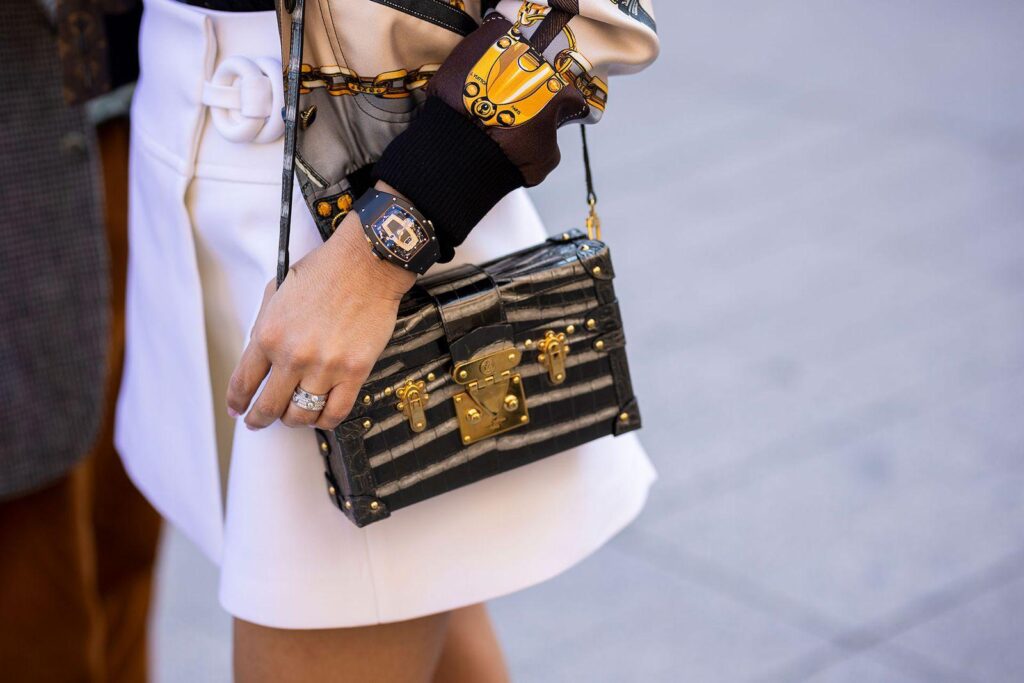
Bags are moving toward two extremes simultaneously. Very small bags, barely large enough to hold a phone and card, remain strong as fashion accessories rather than functional items. At the other extreme, giant tote bags worn as everyday carry-everything solutions are equally visible. The medium-sized structured bag in the middle ground is the only bag size that feels dated right now.
Building an Accessory Collection That Does Not Go Out of Style
The accessory mistake most people make is spending money on very trendy items at full price. The shield sunglasses that cost eighty dollars in spring will be available for twenty dollars by the following autumn. Accessories are the place to either buy investment pieces that transcend trend, a simple gold chain, a classic leather belt, a well-made leather wallet, or to buy cheap and replace them when the trend cycles.
Depop, Vestiaire Collective, and The RealReal all have accessory sections worth combing through. Vintage accessories in particular land at a price point that makes experimenting with trends affordable.
Making Trends Work for Your Actual Life
The consistent mistake people make with fashion trends is treating them as instructions rather than inspiration. Trend content is descriptive, not prescriptive. Nobody is required to wear a sheer top or own a barrel-leg jean.
What the trends tell you is what the visual language of the moment is, which is useful information when you are building outfits or shopping intentionally. Understanding that wide legs and ballet flats and proportion play are the current vocabulary means you can borrow from that vocabulary selectively rather than feeling left behind because you have not bought everything.
One new item per season that reflects a current direction is enough to keep a wardrobe feeling alive without requiring a complete overhaul every few months. That one item might be the wide-leg trouser that three people ask about at a birthday dinner. Or it might be something smaller, a chocolate brown belt, a pair of ballet flats, a cobalt bag.
The point is not to follow trends. The point is to understand them well enough to use them on your own terms, which is a completely different thing.