
My Tech Budget Did Not Survive CES Season
Every January I tell myself the same thing. I am not buying anything new this year. My current setup works fine. I do not need another gadget sitting in a drawer.
Then CES happens, and suddenly I have seventeen browser tabs open, a wishlist that makes no financial sense, and a genuine argument forming in my head for why a robotic lawn mower counts as a household necessity.
This year was particularly bad. Not because the announcements were gimmicky, but because a surprising number of them were actually useful. Devices that solve real problems rather than inventing imaginary ones. Gadgets that do something you did not realize you needed until the moment someone showed it to you.
If you follow tech at all, you have probably already heard about some of these. If you do not, this is a genuinely good year to start paying attention. The devices getting the most conversation right now span everything from smart glasses to AI wearables to living room screens that make everything you watched before look slightly embarrassing.
Here is a rundown of the devices generating the most talk in 2026, with honest notes on what is actually worth caring about and what is more interesting in theory than in practice.
Smart Glasses Finally Became Something People Actually Want to Wear
For years, smart glasses were a punchline. Too bulky. Too weird-looking. Battery life measured in minutes. Voice commands that misheard you in a quiet room, let alone a noisy street.
Something shifted this year.
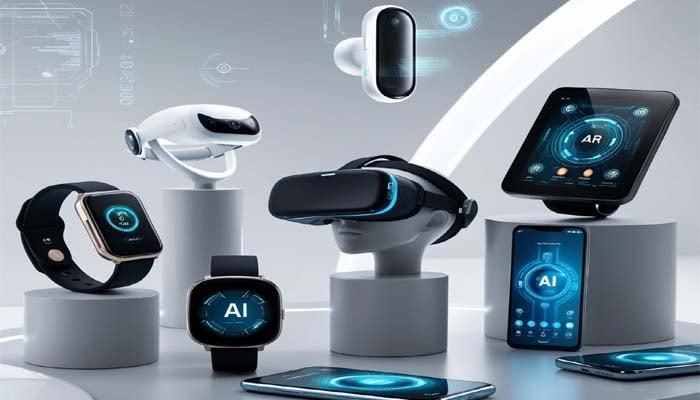
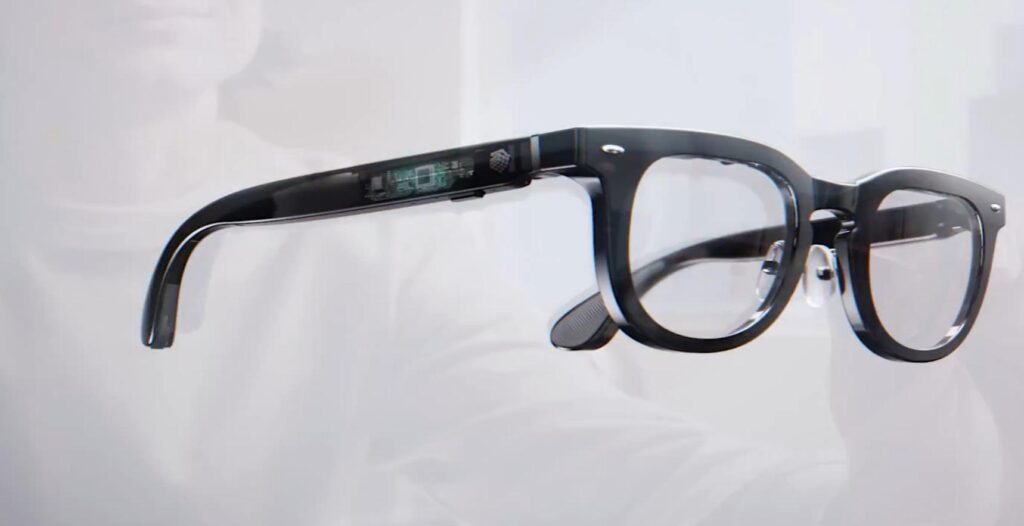
The new generation of smart glasses and AI glasses in 2026 has reshaped how people interact with their devices. They deeply integrate AR visual overlays, high-definition capture, and AI analysis, and have largely solved the old problems of weight, battery life, and social awkwardness that plagued earlier versions.
The designs now look like normal sunglasses or lightweight everyday glasses. That matters more than any spec sheet. The reason earlier smart glasses failed commercially was not the technology. It was that nobody wanted to wear something that announced itself as a gadget from across a room.
The Xreal R1 AR glasses have been getting attention for their high-refresh OLED display, with preorders available now and availability starting July 2026. They are not cheap at around $850, but for people who have been waiting for AR glasses that do not look like a prop from a science fiction film, these represent something genuinely different.
The broader trend here is worth understanding. Recent IDC market insights predict wearable shipments will grow by about 2.2 percent in 2026, with smart rings and display-free smart glasses highlighted as the main growth drivers. These are not niche products anymore. They are moving toward mainstream.
AI Wearables Are Doing More Than Counting Steps
Fitness trackers spent the last decade getting very good at telling you numbers. Steps, heart rate, sleep score, calories. Useful data, but ultimately just data. You still had to figure out what to do with it yourself.
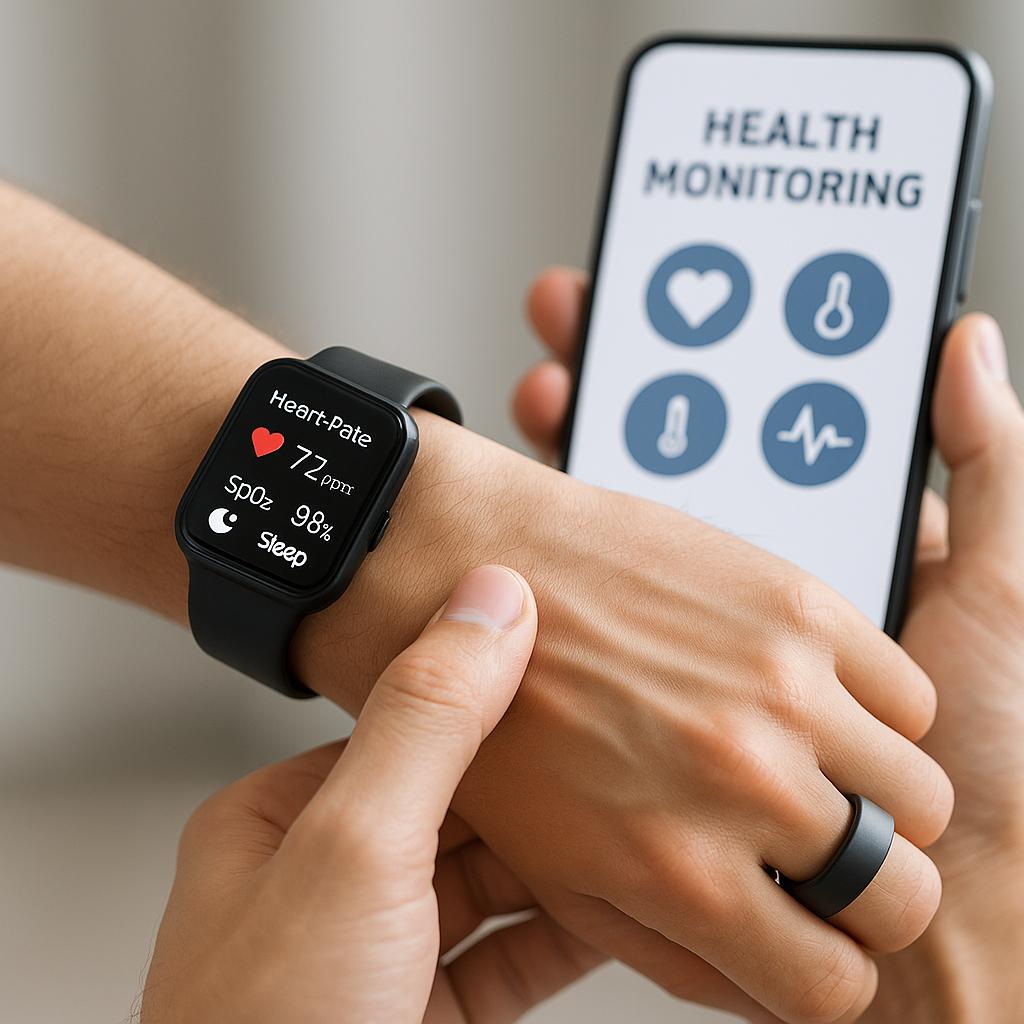
At CES 2026, the big wearable conversation revolved around AI and how it can interpret and act on metrics, rather than simply record them. Devices like Pebble’s Index O1 smart ring are early examples of this shift, working more like smart companions than simple trackers.
The Index O1 is interesting specifically because it goes beyond health monitoring. It is a ring-based recorder that captures notes, ideas, and reminders, and the AI automatically adds them to their appropriate location on your device. The combination of passive health tracking and active thought capture in something you wear on your finger is a surprisingly practical idea.
There is also the R1 smart ring, which does something no other ring on the market currently attempts. It directly controls the Even Realities G2 smart glasses through a hardware link, turning the ring into a navigation device for a heads-up display. The idea of your ring and glasses working together as a connected system rather than separate products is where this category is clearly heading.
Smart rings in general are having a strong year. Smaller, more capable, and increasingly compatible with other devices in ways that make them feel like genuine tools rather than novelty items.
The Television in Your Living Room Got a Serious Upgrade
Television technology has been incrementally improving for so long that it is easy to become numb to it. Each year the contrast is better, the brightness higher, the blacks deeper. At some point it all starts to blur together.
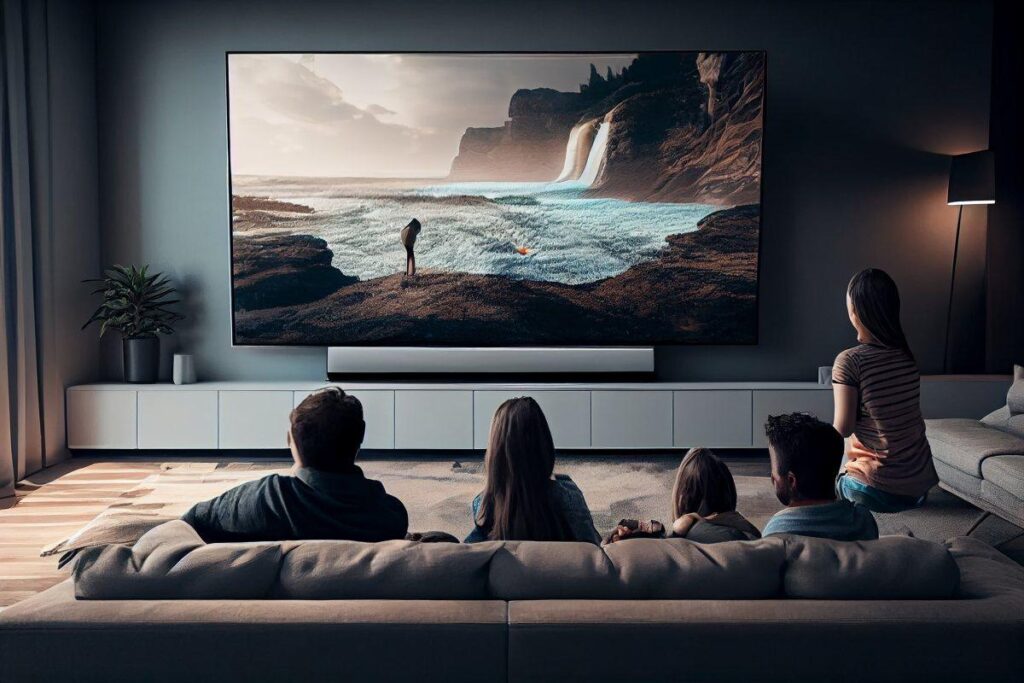
This year the jump feels more significant than the usual annual refresh.
Samsung is bringing its Micro RGB technology to a much wider audience in 2026, with its lineup of Micro RGB TVs now available in 55-inch through to 115-inch models, compared to last year when the technology was only available in a single 115-inch model at $30,000.
Sony’s Bravia 9 II, the company’s flagship Mini LED TV for 2026, integrates proprietary RGB backlighting technology that individually controls each red, green, and blue LED to deliver more vibrant, color-accurate pictures. It comes in sizes from 65 to 115 inches, ranging from $3,600 to $31,000.
On the opposite end of the thickness spectrum, LG has revived its Wallpaper TV concept with the OLED evo W6, which is just 9mm thick and sits flush against the wall when mounted. Unlike its predecessor, it is compatible with LG’s Zero Connect Box, which houses all the inputs and connects wirelessly to the screen so no cables appear to come from the TV itself.
The no-cable wall TV is a genuinely compelling idea for anyone who has ever spent an afternoon hiding HDMI cables behind plasterboard. Whether it justifies the price is a separate conversation.
Headphones That Keep Getting Better at the Things That Matter
Wireless noise-cancelling headphones have become a crowded and fiercely competitive category. Every major audio brand has a flagship pair, and the difference between the top options has been narrowing for years.

The Sennheiser Momentum 5 Wireless arrives as the company’s new flagship for 2026 with notable improvements including higher-resolution audio support, Dolby Atmos with head-tracking, improved noise cancellation, and superior call quality. Perhaps most interestingly, the built-in battery is now user-replaceable with a standard Phillips-head screwdriver, which should significantly extend the headphones’ lifespan.
That last detail deserves more attention than it usually gets. Replaceable batteries in consumer headphones are increasingly rare as manufacturers push toward thinner designs. The ability to swap a battery rather than replace an entire $400 pair of headphones in three years is a genuinely pro-consumer move.
Soundcore’s Liberty 5 Pro Max earbuds are also getting attention in the unique category of headphones positioned as productivity tools rather than purely audio devices. The idea that earbuds can be categorized as productivity equipment rather than entertainment accessories reflects how fundamentally audio gear has changed its role in daily life.
A Portable Power Station Worth Taking Seriously
Power stations used to be bulky, expensive pieces of emergency equipment that lived in garages and only came out during blackouts. The category has been getting smaller and more capable for a few years, and this year one model is getting particular attention.
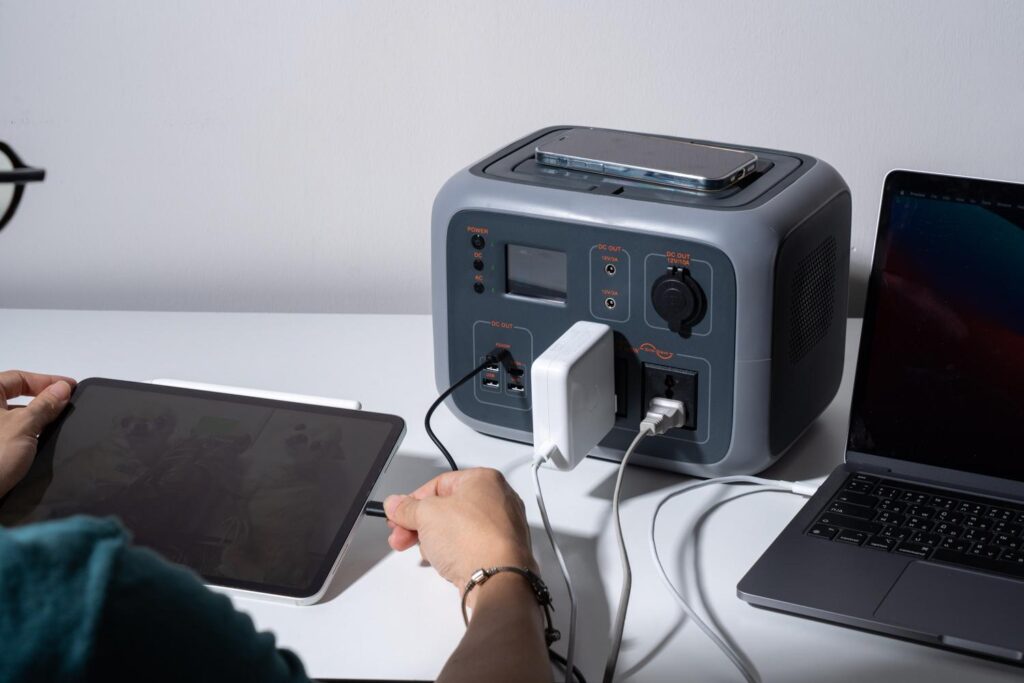
The Anker Solix S2000 packs 2kWh of LiFePO4 capacity with a 1,500W AC inverter peaking at 3,000W for $680. Its standout feature is an impressively low 6W idle draw per hour, meaning minimal power loss when the AC inverter is simply on. The LiFePO4 chemistry typically allows around 10,000 charge cycles, which could translate to roughly 15 years of reliable use.
For anyone who works from a van, camps regularly, runs outdoor events, or simply wants a reliable backup during power outages, that combination of capacity, power output, and cycle life at that price point is genuinely competitive. It includes five AC outlets, two 100W USB-C ports, a USB-A port, and 400W solar input.
The Robot That Handles Multiple Yard Jobs
Robotic lawn mowers have been around for years but have always had a significant barrier to entry: installing a buried perimeter wire around the entire yard before the robot can operate. For anyone with a large or irregular lawn, that installation is a significant project in itself.
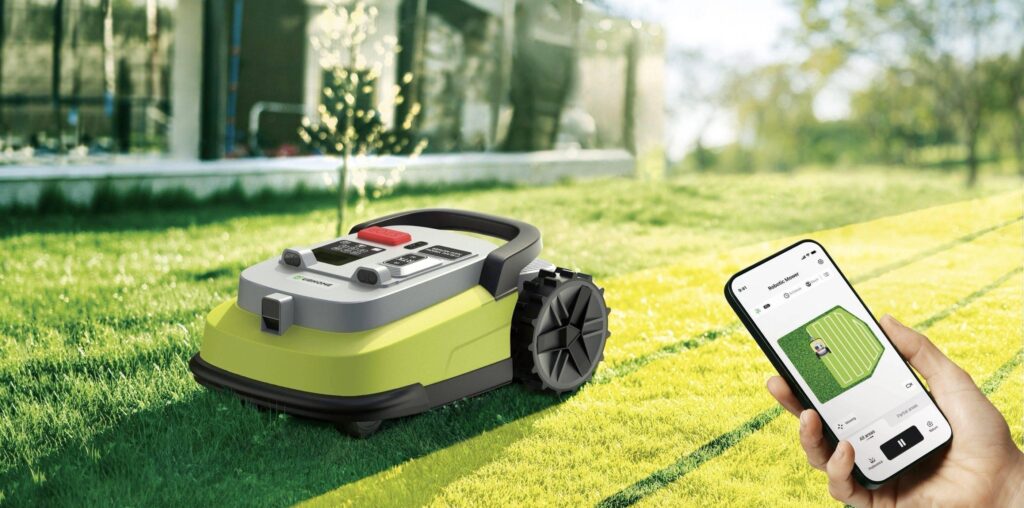
The Yarbo M Series debuted at CES 2026 as a modular platform that mows, clears snow, blows leaves, and trims by swapping attachments rather than requiring four separate machines. Its boundary-wire-free navigation removes the biggest installation barrier in the robotic mower category.
The modular approach is what makes this one interesting beyond the navigation improvement. Buying one platform and adding attachments for each season is a meaningfully different proposition than buying separate machines for each task. The long-term value calculation is more favorable than a single-purpose robot.
A Camera That Fits in Your Pocket and Actually Works
Action cameras and mirrorless systems remain the tools of serious photographers and videographers. For everyone else, the gap between smartphone video and something more capable has been hard to bridge without carrying a significantly larger piece of equipment.
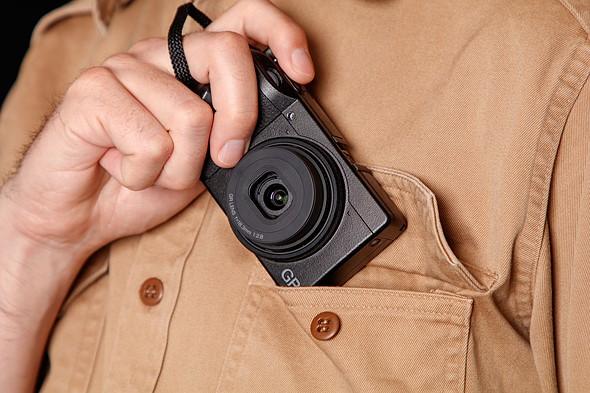
Pocket gimbal cameras like the DJI Osmo Pocket 4 and 4 Pro are among the most talked-about gadgets for vloggers and travelers in 2026. They use smart algorithms to track subjects and stabilize footage, and can capture high-quality video in low light.
The honest note here is that user feedback is genuinely mixed. Some users see the Osmo Pocket 4 as the ultimate portable studio, while others complain about the small screens and complex file transfers, eventually returning to their smartphones.
Whether it makes sense depends entirely on what you are shooting and how much you care about the quality difference. For travel content creators and casual vloggers who want noticeably better footage without carrying a proper camera, the category makes a lot of sense. For occasional users who will not regularly deal with the file management, the phone probably remains the better choice.
LEGO’s Boldest Gamble in Decades
Not every device generating conversation this year is a traditional piece of technology. LEGO’s announcement is getting a reaction that is hard to ignore.

LEGO’s new Smart Play System introduces Smart Bricks, Smart Tags, and Smart Minifigs, adding motion and voice-activated lights and sounds to building sets, starting with the brand’s Star Wars lineup. While it adds significant interactivity, it also comes with a steep price increase and has divided fan opinion about whether the addition of technology compromises the imaginative simplicity that built the brand’s reputation.
The tension in that product decision is real and reflects a broader question about whether “smart” additions always improve existing products. LEGO built its entire identity on open-ended imagination with simple interlocking bricks. Adding technology is an obvious revenue opportunity and an obvious creative risk at the same time.
The Xbox That Is Pure Nostalgia
For gaming, the hardware conversation this year is somewhat quieter than expected. The generation is mature and the big releases are software rather than platform.
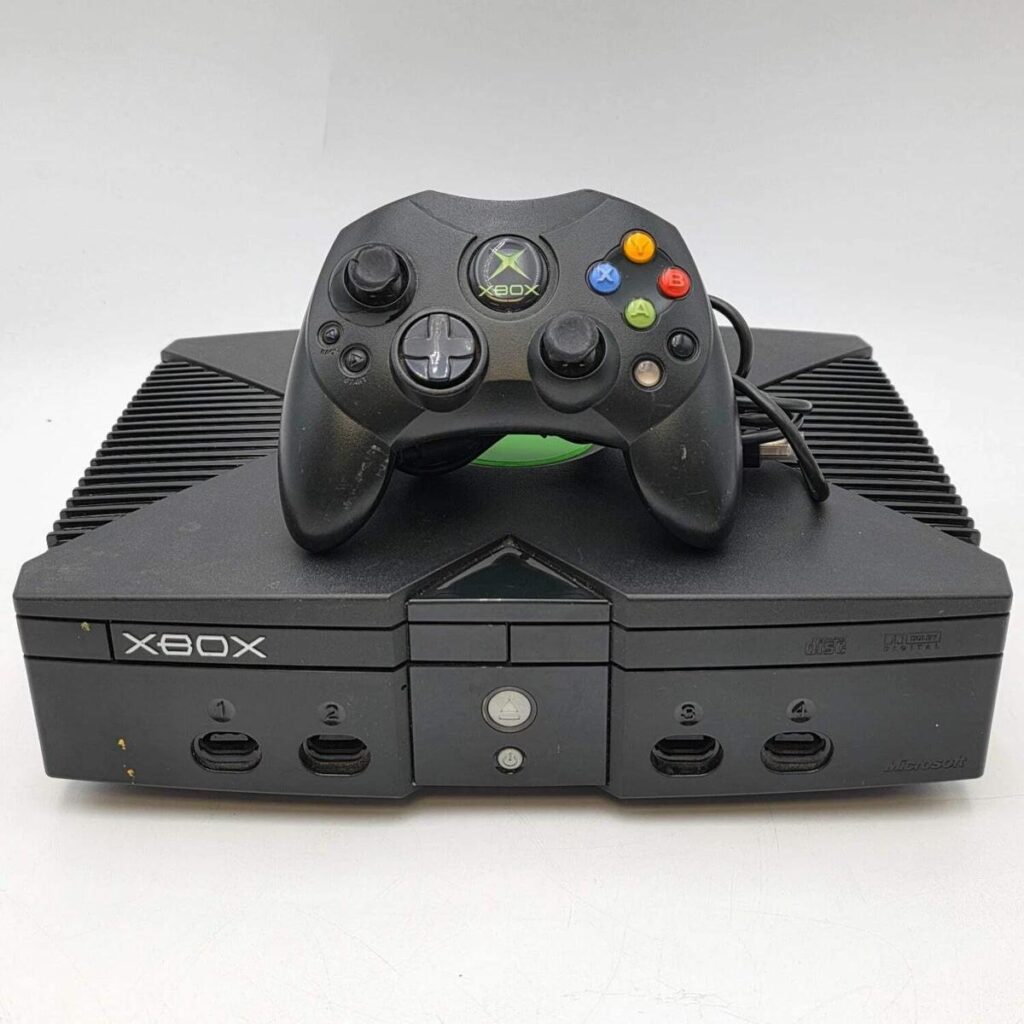
One announcement stands out for emotional rather than technical reasons.
To celebrate the 25th anniversary of the original Xbox, Microsoft has introduced a limited-edition Xbox Series X and accompanying wireless controller in the iconic translucent-green finish of the original console. The power button lights up in green as a nod to the original, and both will be available together as a limited edition collection in November 2026.
For anyone who owned an original Xbox, this is straightforwardly appealing. Nostalgia hardware is a reliable seller and this one is well-executed. Pricing has not been announced at the time of writing.
How to Think About Buying Any of These
The easiest mistake when following new device launches is treating every interesting product as something to immediately purchase. The excitement of newness is real, but it operates independently from whether any specific device would actually improve your daily life.
A useful filter before buying any new device is asking three specific questions.
Does this solve a problem you actually have, or one you are only noticing because you just read about the product? The best gadget purchases address genuine friction in your existing life. The worst ones address problems that only appeared in the context of seeing the solution.
Is this category mature enough that the product is reliable, or are you paying early-adopter prices for first-generation hardware? Smart glasses, for example, are genuinely improving but are still in a category where second or third-generation products will likely be significantly better. Buying now means paying a premium for hardware that will feel outdated faster than usual.
Does it fit your actual ecosystem? A great device that requires workarounds to connect with your existing phone, laptop, or streaming platform will create friction every time you use it. Checking compatibility before purchasing rather than after is a step that people skip more often than they should.
Sites like The Verge, Wirecutter, and TechRadar publish detailed reviews of most major devices weeks after launch when the initial excitement has settled and real-world usage patterns are clearer. Waiting for those reviews before committing to a significant purchase consistently produces better decisions than buying on announcement day.
What This Year’s Devices Say About Where Tech Is Going
Standing back from the individual products, a few clear patterns emerge from what is generating conversation in 2026.
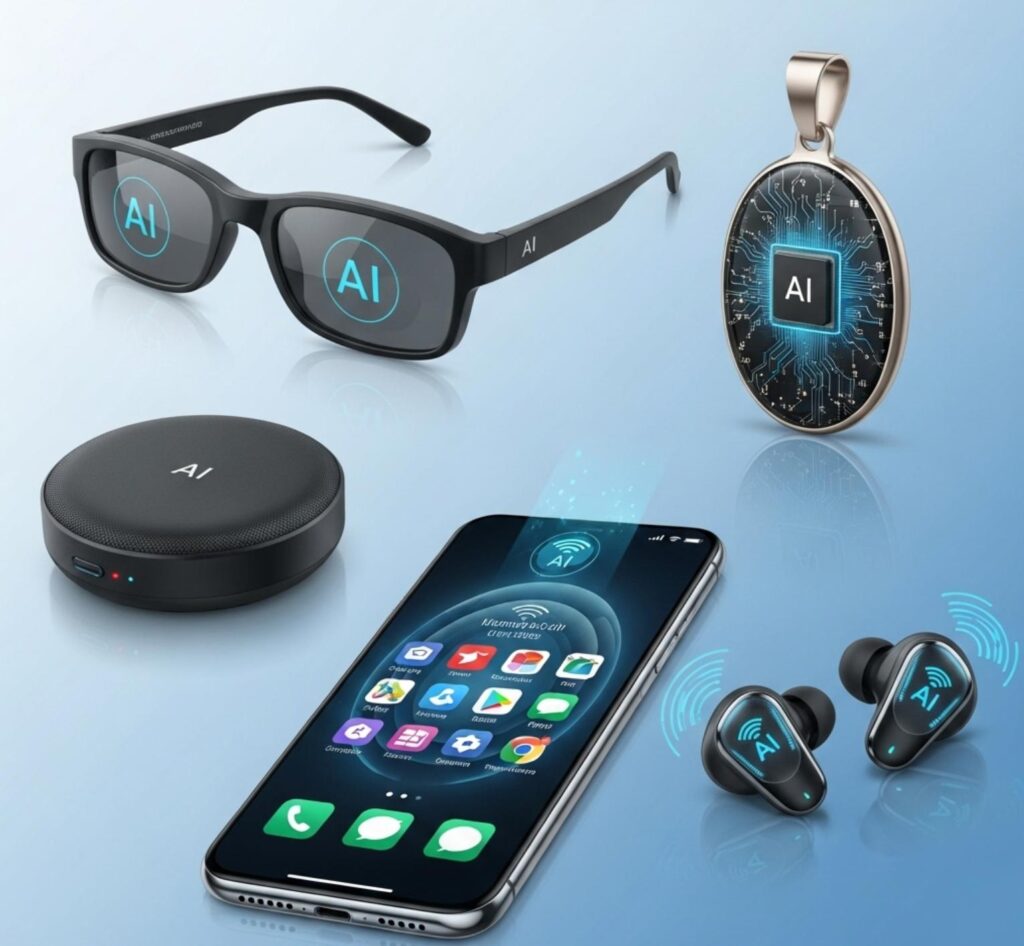
AI has moved from being a feature that companies mention in press releases to being a genuinely functional part of how devices work. Wearables that interpret health data rather than just display it, smart glasses that provide contextual information without requiring you to look at your phone, kitchen devices that coach rather than just execute: these represent a real shift in what consumer technology can do.
The design conversation has also matured. The new generation of gadgets in 2026 leans heavily toward everyday design that looks like normal objects rather than obvious technology, because products that are too bulky or have obvious cameras are hard to use daily for commuting and work.
The modular approach, one platform serving multiple functions rather than multiple single-purpose devices, is gaining ground in categories from yard care to home audio. It reflects both economic pressure and a genuine consumer preference for owning fewer, more capable things.
None of these trends are entirely new. But they are all arriving at a point where they are visible in products you can actually buy rather than concepts shown at trade shows. That is the difference that makes this particular year worth paying attention to.
The browser tabs are still open. The wishlist remains financially irresponsible. But at least most of the things on it this year are genuinely interesting.