

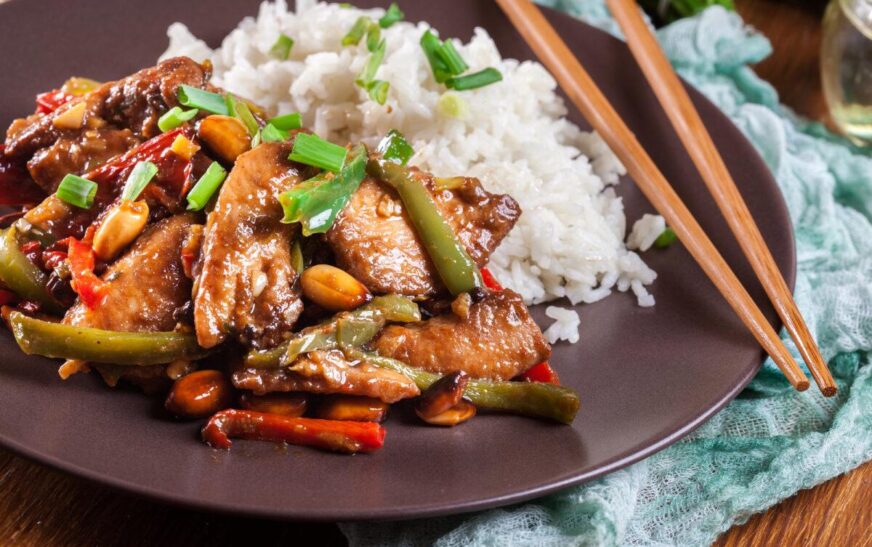
For a long time I thought restaurant Chinese food was just impossible to replicate at home. Not because the recipes were secret or the techniques were too advanced, but because every attempt I made came out wrong in some way I could not quite explain. The fried rice was soggy. The sauce on my kung pao chicken tasted thin and flat. My stir fry turned into a steam situation where everything sweated in the wok instead of getting that proper sear.
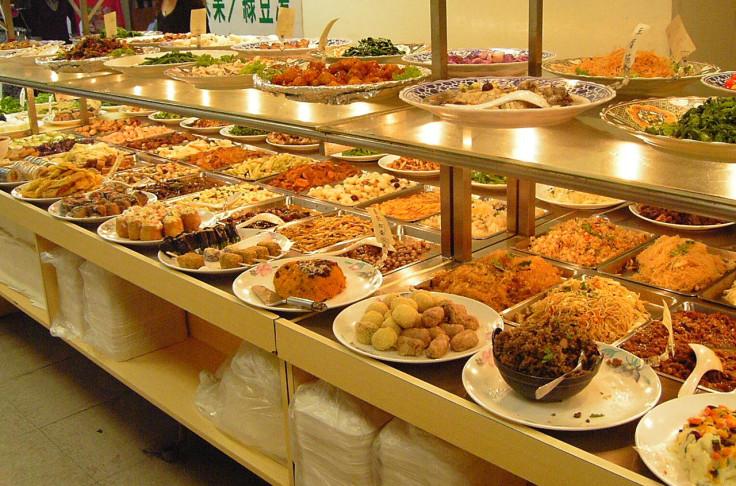
Then I spent a weekend at my friend Daniel’s apartment watching him cook. Daniel grew up in Chengdu and learned from his grandmother. Watching him work was like watching someone operate with completely different instincts than mine. The heat was higher than I would have dared. The wok barely stopped moving. The sauce went in fast at the very end and everything came together in about forty seconds.
He was not doing anything I could not do. He just knew things I did not know yet.
This article is everything I learned from that weekend, plus two years of trial and error in my own kitchen since then.
Why Home Chinese Food Usually Disappoints
Before getting into specific dishes, it helps to understand why the gap exists between restaurant results and home results. Most people assume it is the equipment or some secret ingredient. Sometimes that is true, but usually it comes down to three things.
First is heat. Restaurant woks sit over burners that produce significantly more BTUs than a standard home stove. That heat is what creates wok hei, the smoky charred quality you taste in great stir fry that is almost impossible to fully replicate at home. You can get close, though, and close is still genuinely good.
Second is prep work. Restaurant cooks have everything pre-cut, pre-measured, and pre-mixed before service. Home cooks stop to measure sauce ingredients mid-cook and end up with things sitting in a hot wok too long. Chinese cooking at high heat moves fast. If you are not ready, the dish suffers.
Third is oil quantity. Chinese restaurant cooking uses more oil than most home cooks are comfortable with. Not an alarming amount, but noticeably more than what the average home recipe suggests. That oil is part of why things brown properly and why sauces have that glossy restaurant quality.
Fix these three things and the food improves dramatically even before you worry about any specific recipe.
The Equipment That Actually Makes a Difference
You do not need much. But a few things genuinely help.
A carbon steel wok is worth getting if you cook Chinese food more than occasionally. It heats faster than a nonstick pan, can handle the high temperatures you need, and once properly seasoned it becomes naturally nonstick. A 14-inch carbon steel wok costs around twenty to thirty dollars and lasts indefinitely if you take basic care of it. The Yosukata and Craft Wok brands both have good reputations. Lodge also makes a carbon steel wok that works well.
A wok spatula, the flat-edged kind with the curved bottom that matches the shape of a wok, makes a real difference in how well you can move food around at high heat. Cheap ones work fine.
A rice cooker eliminates one variable entirely. Getting rice right on the stovetop takes attention and practice. A basic Aroma or Zojirushi rice cooker produces consistent results every time without any supervision. Zojirushi machines are genuinely superior for texture but the price difference is significant.
Beyond those basics, most Chinese cooking at home works with standard kitchen equipment.
Fried Rice: Getting It Actually RightFried Rice: Getting It Actually Right
Fried rice was my biggest early failure. I would make it and it would come out wet and clumped together, tasting more steamed than fried. The rice grains would stick to each other and stick to the pan.
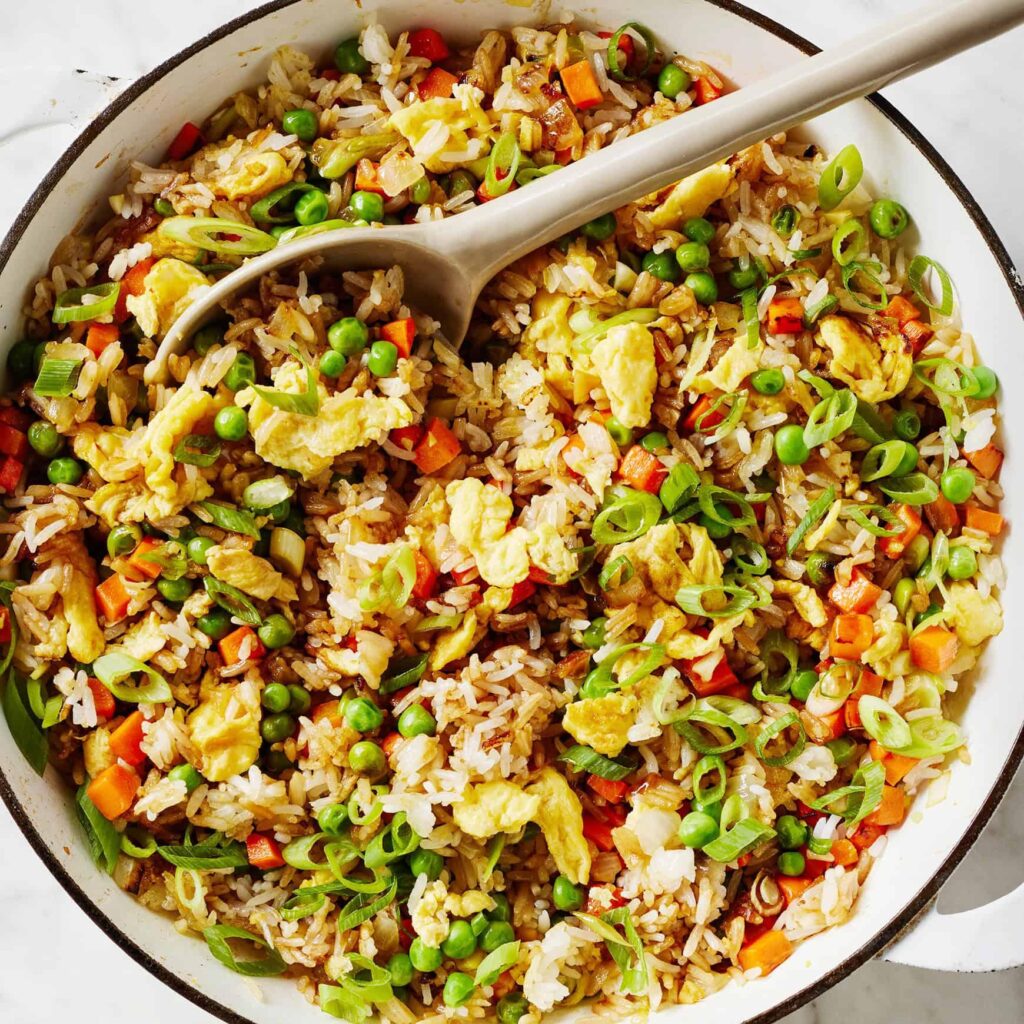
The solution turned out to be simpler than I expected. Use day-old rice that has been refrigerated overnight. Fresh rice has too much moisture and steams itself in the wok. Cold leftover rice breaks apart into individual grains and fries properly.
For the rice itself, jasmine rice works best. Medium-grain or short-grain rice holds too much moisture and gets gummy. Long-grain jasmine cooked the day before and refrigerated overnight is the standard approach.
Here is the sequence that produces good results:
Heat the wok over the highest flame your stove produces until it starts to smoke lightly. Add oil, around two tablespoons, and let it heat until shimmering. Push it up the sides of the wok. Add any aromatics you are using, garlic and ginger typically, and stir for about thirty seconds. Add proteins if you are using them and cook until just done, then push everything to the side.
Add a bit more oil to the center, crack in eggs if you are using them, and scramble them mostly but not completely before mixing into the rice. Add the cold rice, breaking up any clumps as it goes in. Press it against the hot surface of the wok and leave it for a minute before moving it. That contact time builds the slightly toasted quality that makes the difference.
Season with soy sauce, a small amount of sesame oil, white pepper, and salt. Move everything fast to distribute evenly. Finish with green onions.
The whole cook after prep should take less than five minutes over high heat.
Kung Pao Chicken: The Version Worth Making
Kung pao chicken from a good restaurant has a specific quality: savory, a little sweet, distinctly numbing from Sichuan peppercorns, with crispy peanuts and just enough dried chili heat. The versions from less careful places taste like sweet chicken in brown sauce with peanuts thrown on top. Very different things.
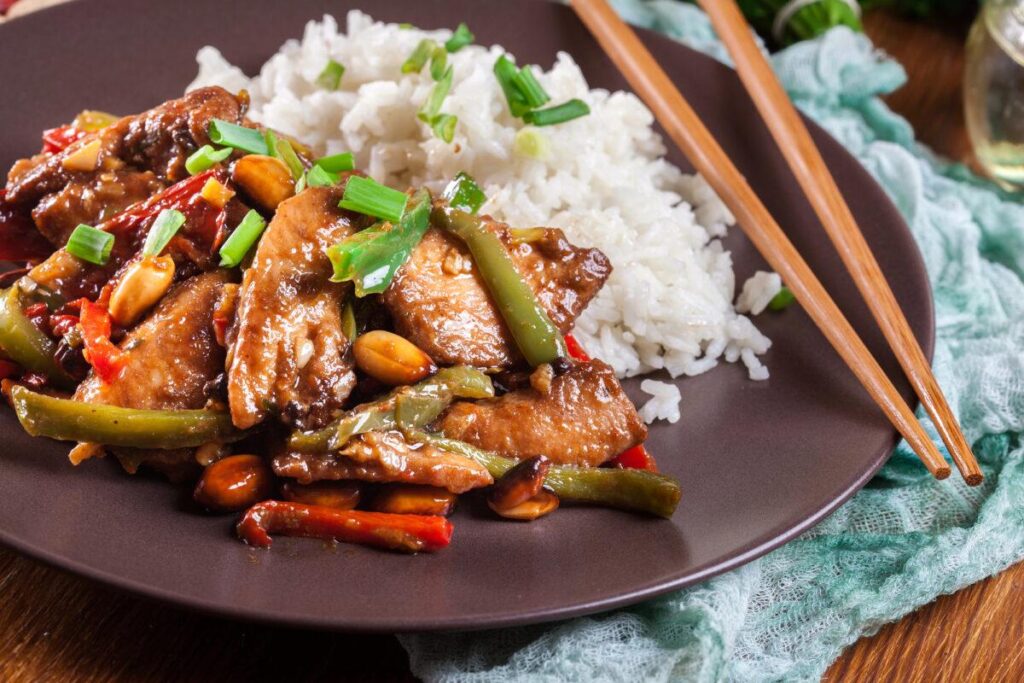
The sauce is the part that most home recipes underexplain. Mix it before you start cooking: two tablespoons of soy sauce, one tablespoon of Shaoxing rice wine or dry sherry if you cannot find Shaoxing, one tablespoon of rice vinegar, one teaspoon of sugar, one teaspoon of cornstarch, and a small amount of sesame oil. Keep this ready to go.
The Sichuan peppercorn situation is worth addressing directly. These are not hard to find anymore. Whole Foods, most Asian grocery stores, and Amazon all carry them. They taste floral and produce that distinctive numbing sensation on the tongue. Toast a small amount in a dry pan and grind them roughly before using. Skipping them produces a dish that tastes fine but not like kung pao chicken specifically.
Marinate the chicken briefly, twenty minutes works, in a mix of soy sauce, Shaoxing wine, and cornstarch. The cornstarch in the marinade helps the chicken stay tender and picks up color properly in the wok.
Cook the dried chilies and Sichuan peppercorns in hot oil first until fragrant, about thirty seconds, then add the chicken and cook until golden. Add green onions and garlic, then pour in the sauce and stir until it coats everything and thickens slightly. Add roasted peanuts at the very end so they stay crispy.
Mapo Tofu: Worth the Ingredient Hunt
Mapo tofu intimidated me for a long time because the authentic version requires a few ingredients that are not in every grocery store. Once I tracked them down, it became one of the dishes I make most often because it comes together fast and tastes genuinely impressive.
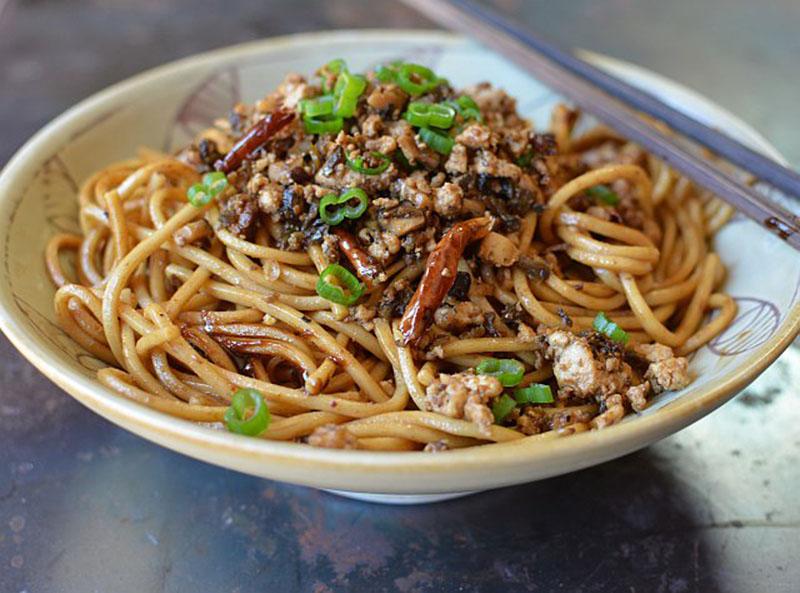
Doubanjiang is the key ingredient. This is a fermented chili bean paste from Sichuan province, specifically the Pixian variety if you can find it. It smells funky and looks red-orange and it is the backbone of the dish. A little goes a long way. Most Chinese grocery stores carry it, and it keeps refrigerated for months.
Silken tofu works best here. Firm tofu holds together better but the silky version has that quivering, barely-holding-its-shape quality that makes the texture interesting. Handle it gently when cutting and adding to the pan.
Ground pork goes in first, cooked until the fat renders and the meat starts to brown. Add the doubanjiang and cook until the oil turns red and fragrant. Add garlic and ginger, then stock to create the broth. Slide the tofu in carefully, let it simmer gently for a few minutes to absorb the flavors, then thicken with a cornstarch slurry. Finish with Sichuan peppercorns, sesame oil, and green onions.
Over plain rice this is one of the most satisfying things you can make in under thirty minutes.
Dan Dan Noodles: Street Food You Can Actually Make
Dan dan noodles are a Sichuan street food with a sauce that layers sesame paste, chili oil, black vinegar, soy sauce, and Sichuan peppercorns. The name comes from the carrying poles vendors used to transport the pots. The result is rich, spicy, numbing, and slightly sour all at once.
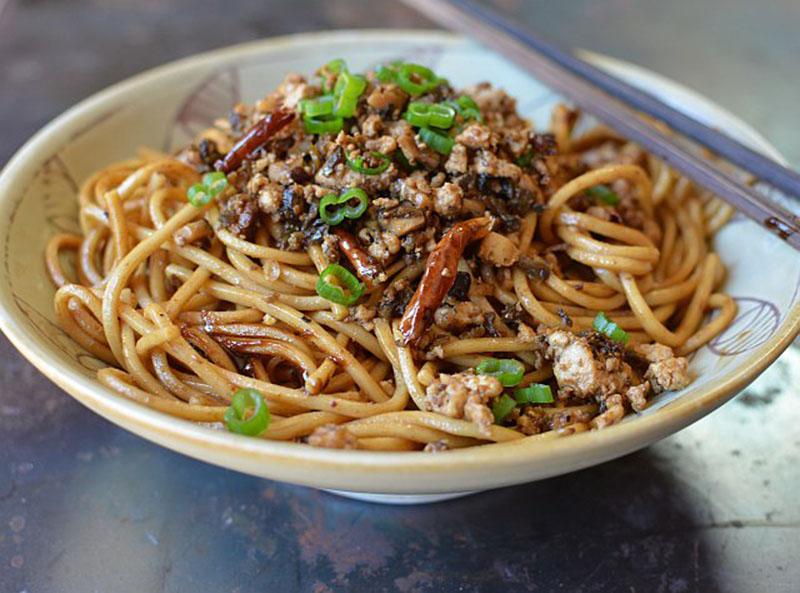
Chinese sesame paste is not the same as Middle Eastern tahini. Chinese sesame paste uses toasted sesame seeds and has a deeper, more bitter flavor. Tahini works as a substitute in a pinch but the result tastes noticeably different. Most Chinese grocery stores carry the real thing.
Chili oil matters more in this dish than in most. A good quality chili oil with sediment, meaning the chili flakes and aromatics at the bottom of the jar, adds more flavor than a clear chili oil. Lao Gan Ma is a widely available brand that works well and most supermarkets carry it now. The crispy chili in oil variety specifically.
The noodles should be wheat noodles, fresh if possible. Dried thin wheat noodles work fine. Cook them just to done, not soft, so they hold some texture against the heavy sauce.
Mix the sauce in the bowl before the noodles go in: sesame paste thinned with a little hot water, soy sauce, Chinese black vinegar (Chinkiang vinegar specifically), chili oil, a small amount of sugar, and ground Sichuan peppercorns. The noodles go on top, then a spoonful of cooked ground pork with ya cai (preserved mustard greens if you can find them), and more chili oil.
Mix everything at the table before eating.
Sweet and Sour Pork: Doing the Takeout Classic Properly
Sweet and sour pork has a bad reputation because the versions most people grew up with are genuinely not very good. Fluorescent red sauce, overcooked pork that has gone tough, pineapple from a can. Fine when you are nine. Less satisfying as an adult.
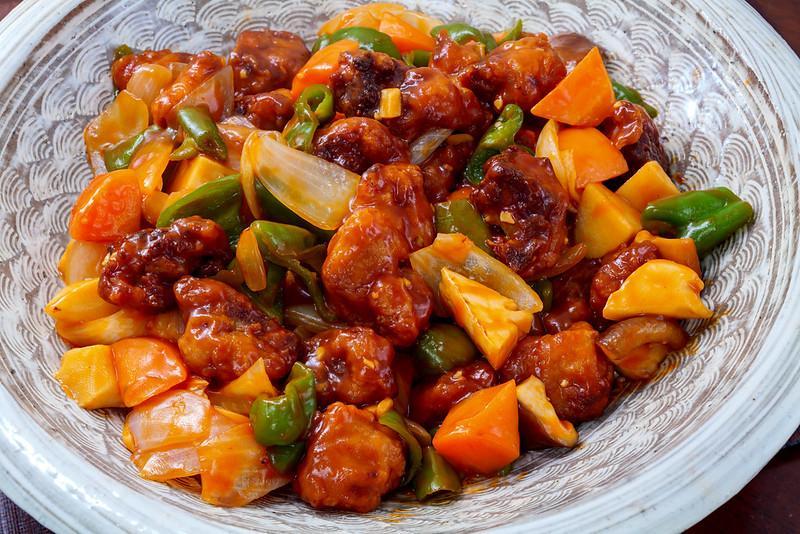
Done correctly it is actually a well-constructed dish. The pork pieces stay juicy inside a light crispy coating. The sauce balances sweet, sour, and savory properly without tasting like fruit punch.
Cut pork shoulder or tenderloin into pieces slightly larger than bite size. Marinate briefly in soy sauce, Shaoxing wine, and white pepper. Coat in a batter of cornstarch and a little egg, then fry in oil at around 175 Celsius until golden and crispy. The double-fry method, frying once at lower heat to cook through and again at higher heat to crisp the exterior, produces noticeably better results than a single fry.
The sauce comes together quickly: rice vinegar, sugar, ketchup (yes, ketchup, this is the standard approach), soy sauce, and a cornstarch slurry to thicken. Cook the sauce with bell peppers and pineapple briefly, then toss the fried pork through it right before serving. Serve immediately. Crispy pork sitting in sauce for any length of time loses the texture point of the whole exercise.
Dumplings From Scratch: More Achievable Than You Think
Making dumplings from scratch takes time but it is one of those cooking projects that is genuinely fun to do with other people. The results are significantly better than frozen dumplings and the process becomes faster the more you do it.
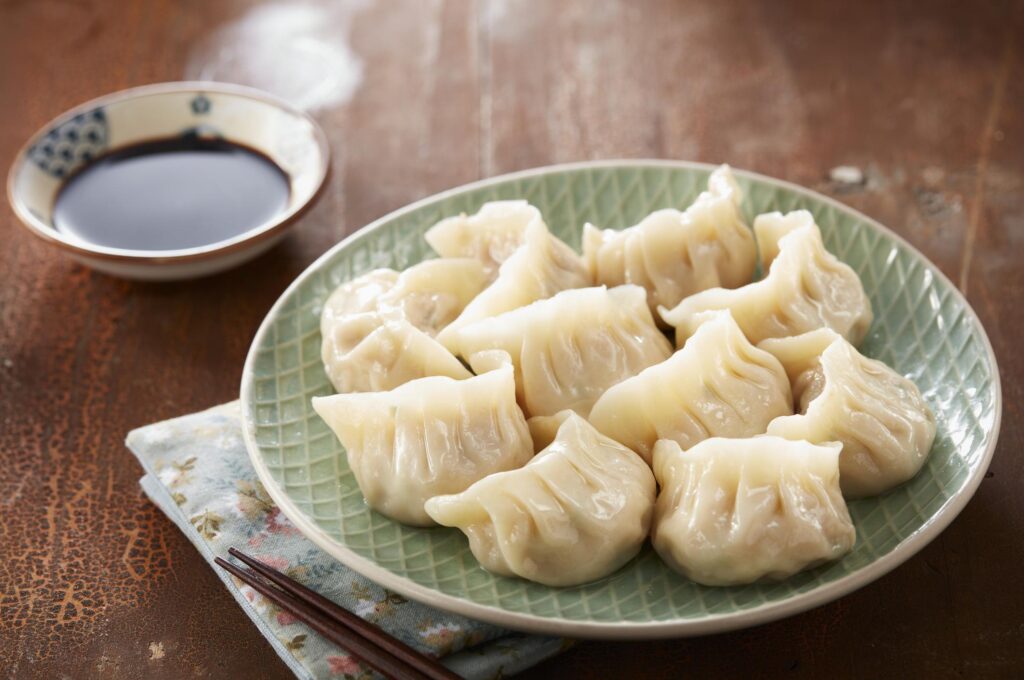
The dough is simple: flour and hot water, roughly two parts flour to one part water by weight, mixed and kneaded until smooth, then rested for thirty minutes covered. Resting is not optional. The dough becomes much easier to work with after it relaxes.
Pork and cabbage is the classic filling. Mix ground pork with finely chopped napa cabbage that has been salted, squeezed dry, and most of the moisture removed. Season with soy sauce, sesame oil, Shaoxing wine, ginger, garlic, and white pepper. Add a bit of cold stock or water gradually while mixing in one direction until the filling becomes slightly sticky and holds together. That mixing technique helps the texture of the filling.
Roll the dough thin, cut into rounds using a glass or a cutter, place a small amount of filling in the center, and fold. There are many folding styles. The pleated half-moon is traditional. A simple fold and press works fine. They all taste the same once cooked.
Boil in plenty of water, moving them gently with a spoon to prevent sticking, until they float and the skin looks slightly translucent. For potstickers, add oil to a pan, place raw dumplings flat-side down, add a small amount of water, cover and let steam until cooked through, then uncover to let the bottoms crisp.
Serve with black vinegar and chili oil for dipping.
Egg Drop Soup: The One That Takes Five Minutes
Egg drop soup is genuinely one of the fastest things you can make and the restaurant version is not complicated to replicate at home. The main difference between good and mediocre versions comes down to stock quality and the technique for adding the eggs.
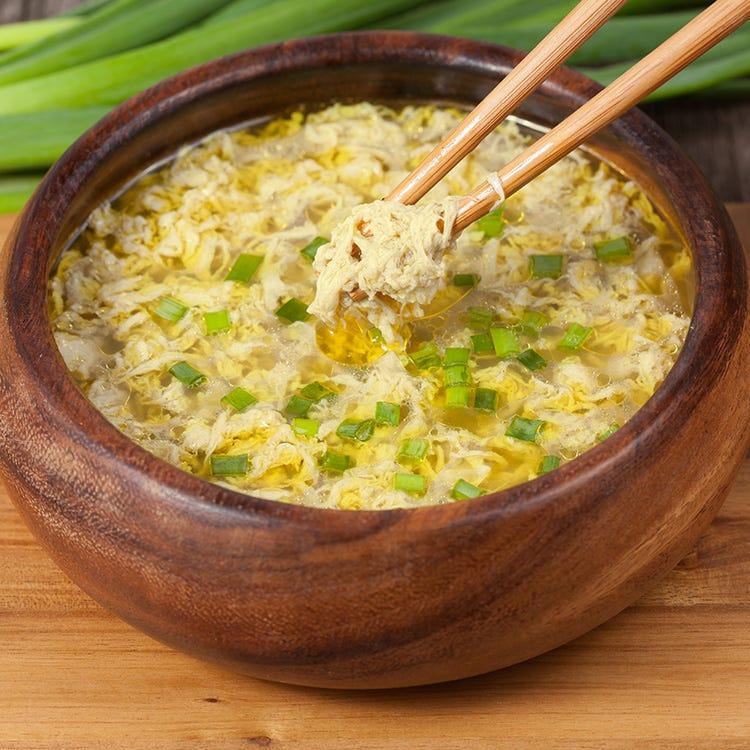
Use actual chicken stock, homemade or a decent store-bought version with flavor. The soup has few ingredients and the stock is most of what you taste. Watery stock produces watery soup.
Bring the stock to a gentle simmer with a little salt, white pepper, and a sliver of ginger. Thicken with a cornstarch slurry until it reaches a consistency slightly thicker than plain broth. Beat eggs well and pour them in slowly while stirring the broth in one direction. The eggs cook into long ribbons rather than clumps if the broth stays moving and you pour slowly.
Finish with sesame oil and green onions. Takes five minutes once the stock is hot.
The Sauce Ingredients Worth Keeping Stocked
Most of Chinese cooking at home becomes dramatically easier once you have the right pantry ingredients on hand. These are the ones that appear most often and that are difficult to substitute.
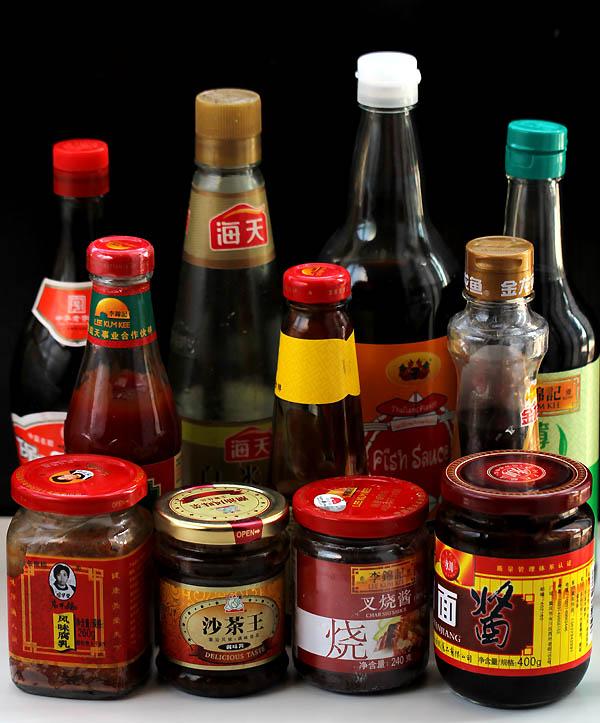
Soy sauce: keep both regular soy sauce and dark soy sauce. Regular provides salt and umami. Dark soy sauce adds color and a slightly sweeter depth. Kikkoman is a reliable regular soy sauce. Pearl River Bridge dark soy sauce is widely available.
Shaoxing rice wine: this is a fermented rice wine used in marinades and sauces. Dry sherry works as a substitute but the flavor differs somewhat. Most Asian grocery stores carry Shaoxing wine and it is inexpensive.
Oyster sauce: thick, savory, slightly sweet, and used in stir fries and as a finishing sauce. Lee Kum Kee Premium is the standard recommendation.
Sesame oil: use this as a finishing oil added after cooking rather than as a cooking oil. High heat destroys the flavor. A small amount at the end of cooking adds a distinct nutty quality.
Chinese black vinegar: sharper and more complex than regular rice vinegar. Used in dipping sauces and noodle dishes. Chinkiang brand is the most common.
Cornstarch: used constantly for marinades, sauce thickening, and coatings. Keep a lot of it.
Doubanjiang: fermented chili bean paste, essential for Sichuan cooking specifically.
With these stocked, most Chinese recipes become accessible without a last-minute trip to a specialty store.
Mistakes That Keep Happening Until They Don’t
Overcrowding the wok is probably the single most common error. Too much food at once drops the temperature of the pan and everything steams instead of fries. Cook in smaller batches and combine at the end if needed.
Adding sauce too early lets it reduce and burn before the other components are ready. Mix the sauce ahead of time and add it near the end of cooking.
Skipping the velveting step for meat makes chicken and beef tougher than they need to be. Velveting means marinating the meat in a mix of egg white or baking soda, cornstarch, and Shaoxing wine for twenty minutes before cooking. It changes the texture noticeably.
Not tasting and adjusting at the end leaves dishes that are close but not quite right. Chinese cooking uses a lot of savory, salty, and umami flavors that need balancing. Taste before serving and adjust with soy sauce, vinegar, or sugar as needed.
Finding Ingredients When You Do Not Have a Chinese Grocery Store Nearby
Most major cities have at least one Asian grocery store worth finding. H Mart has expanded significantly across the United States and carries the main ingredients. 99 Ranch Market covers the West Coast and parts of the South. These stores are almost always cheaper than regular supermarkets for the basics.
Online ordering through Amazon covers most shelf-stable ingredients. The Mala Market is a specialty online store focused specifically on Sichuan ingredients and carries excellent quality doubanjiang, Sichuan peppercorns, and chili oils that are genuinely better than most local options.
Serious Eats and Woks of Life are both reliable recipe sources if you want to go deeper on specific dishes. Woks of Life in particular is run by a Chinese-American family and their recipes tend to be more precise about technique than most food blogs.
What Keeps This Kind of Cooking Interesting
Chinese cooking is wide enough that you could spend years exploring it without repeating yourself. Cantonese food from southern China is different from Shanghainese food from the east, which is different again from Sichuan food from the interior, which bears little resemblance to the cuisine of Xinjiang in the northwest.
Most people in Western countries grew up with a narrow slice of Cantonese and American Chinese food. That slice is genuinely tasty but it is a small fraction of what exists. Getting into Sichuan cooking after years of mainly eating Cantonese styles felt like discovering an entirely different cuisine. The numbing heat, the fermented flavors, the way dishes balance multiple strong tastes simultaneously: it opened up a whole different direction to explore.
The Friday afternoon I spent watching Daniel cook changed how I approach this food. Not because he taught me a long list of techniques but because he showed me that the gap between restaurant and home results is mostly about confidence and heat. Push the stove harder than feels comfortable. Have everything ready before you start cooking. Add more oil than seems reasonable. Move fast once the wok is hot.
Those four things, practiced consistently, close most of the distance between what comes out of your kitchen and what you remember from your favorite restaurant.