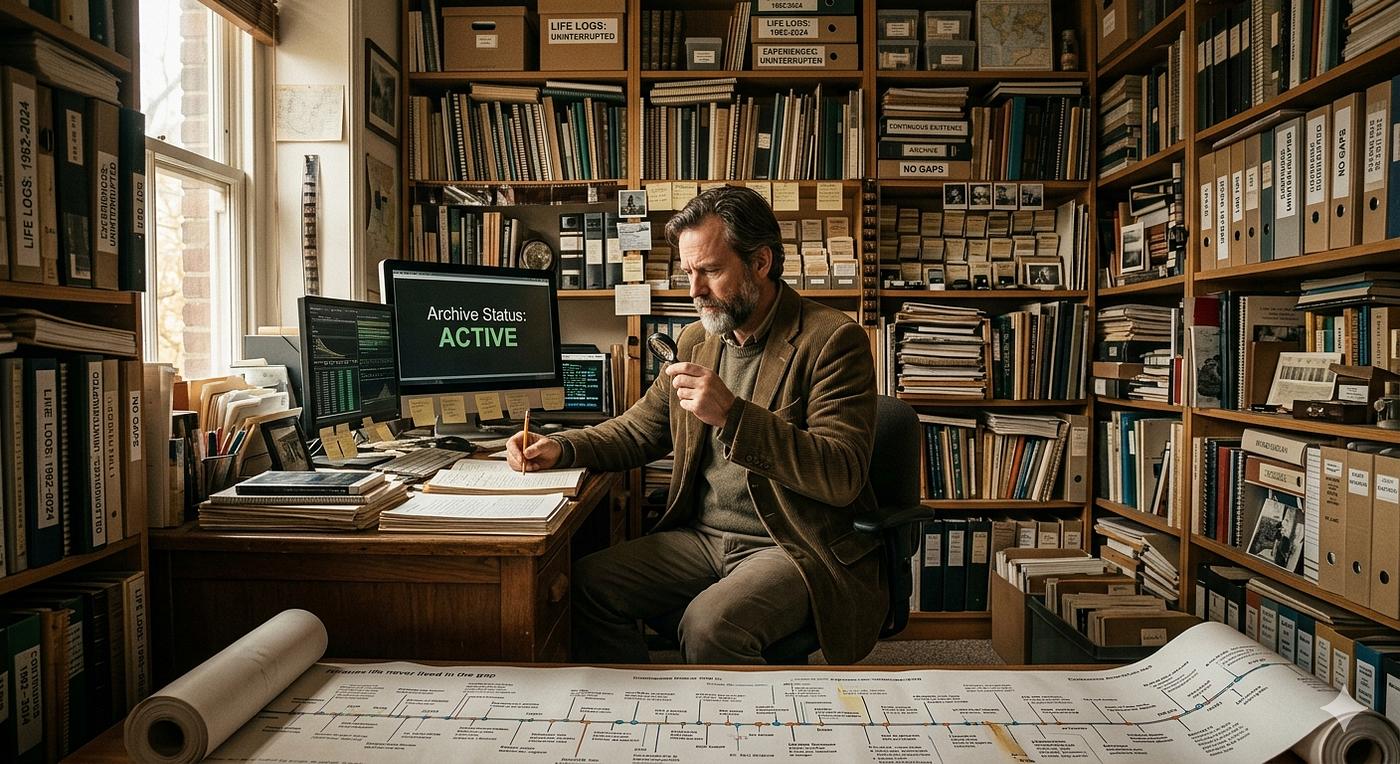

Nobody told me school was leaving things out. I just assumed the textbook had everything important in it. Why would they skip stuff, right?
Then I was maybe 19, killing time at my uncle’s house, and he had this battered paperback sitting on his kitchen table about the Tulsa race massacre. Picking it up, I thought it was fiction. It was not. The next few hours I spent reading with my jaw somewhere near the floor, genuinely angry that not a single word of this had reached me in twelve years of school.
That was the beginning of a weird rabbit hole I am still in, honestly. Once you find one gap, you start noticing them everywhere. Not in a “wake up sheeple” kind of way. More like the feeling when you realize a friend has been editing their stories for years and you never picked up on it. The stories were mostly true. Just… conveniently shaped.
So here is some of what I found. The stuff that should have been in the textbook but somehow never made it.
The Thriving Black City That Got Burned to the Ground Overnight
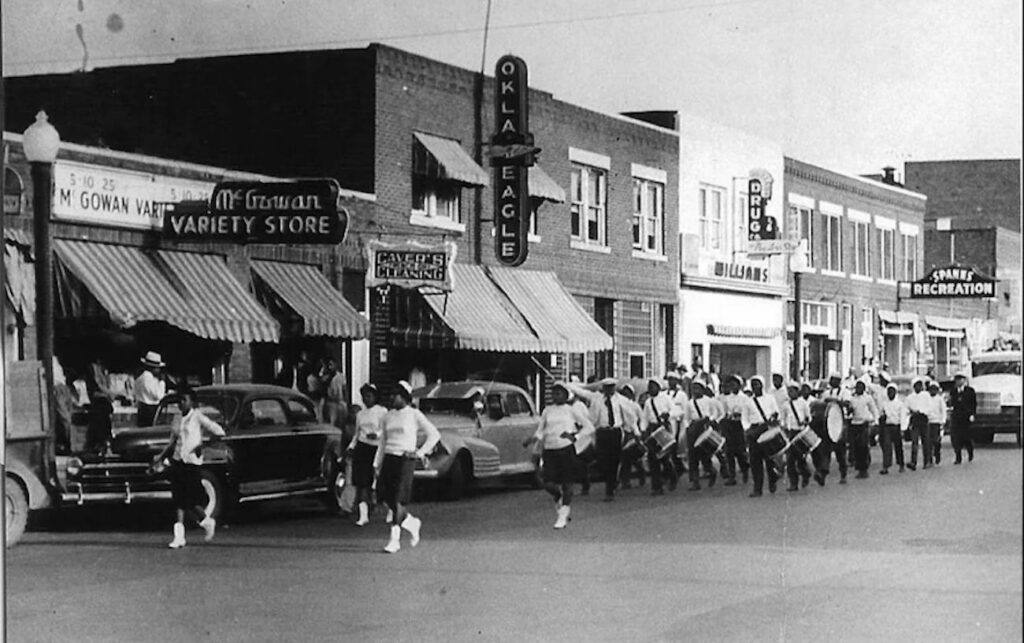
Greenwood was a neighborhood in Tulsa, Oklahoma. Black families built it from nothing after being legally excluded from white neighborhoods and businesses. By 1920 they had hotels, law firms, a hospital, a library, grocery stores, beauty salons, movie theaters. The money people spent stayed in the community because they had no choice but to build their own economy. Outsiders called it Black Wall Street, which was not an exaggeration.
What Happened on the Night of May 31, 1921
A white mob showed up. By the time it was over, 35 blocks had burned flat. Somewhere between 100 and 300 people were killed, though the exact number is still debated because a lot of the record-keeping got handled by the same people who wanted it forgotten. Around 10,000 residents lost their homes in a single night.
Here is the part that really got me. Survivors were told to keep quiet. Insurance claims were denied. Nobody faced prosecution. For decades, Oklahoma schools simply did not teach it. Not a word. A massacre that wiped out an entire prosperous city district just got omitted.
Seventy-Six Years Before Anyone Officially Looked Into It
A state commission did not investigate until 1997. The only reason most Americans under 40 have heard of it at all is because the HBO show Watchmen used it as a plot device in 2019. A prestige drama series did more to spread awareness of a documented historical atrocity than the entire American education system managed in a century.
Survivors lived into the 2000s carrying that memory while the country pretended it had not happened. That sits with me.
America Hired Nazi Scientists After the War and Just Kind of Hoped Nobody Would Ask
This one I actually stumbled on through a documentary about NASA, of all things. There was this segment about Wernher von Braun, and the narrator mentioned almost in passing that he had been a Nazi officer. Rewinding it, watching it again, then going looking became the next few hours of my evening.
The Deal That Brought 1,600 Germans to American Soil
Operation Paperclip was a classified U.S. government program that brought over 1,600 German scientists, engineers, and technical experts to America after World War II ended. Some held senior positions in the Nazi regime. Others used concentration camp prisoners as forced labor in weapons factories. Records got altered or destroyed to hide their affiliations. FBI director J. Edgar Hoover objected. The State Department flagged concerns. Military intelligence pushed it through anyway because the Cold War logic was simple and brutal: if we do not take these people, the Soviets will.
The Man Who Built Hitler’s Rockets Also Built the Saturn V
Von Braun is the clearest example of how this played out. His team built the V-2 rockets that killed thousands of civilians in London and Antwerp. The V-2 factory ran on slave labor, and prisoners died there by the thousands. After Paperclip, he became a celebrity in America. Time magazine put him on the cover. Walt Disney featured him in TV specials about space exploration. NASA gave him the role of chief rocket architect, and he built the Saturn V that launched the Apollo missions.
When Neil Armstrong stepped on the moon, von Braun stood in the control room and America cheered.
None of that is secret exactly. You can find it now. But the information stayed classified for a long time, and it never gets folded into the heroic narrative of the Space Race honestly. The program that made America’s greatest technological achievement possible got built partly by people who deserved war crimes trials. Textbooks tend to leave that part out.
Young Women Were Told to Put Radioactive Paint in Their Mouths, Then Got Lied to When They Fell Ill
This one makes me genuinely angry every time I explain it.
The Glowing Paint That Was Supposed to Be Harmless
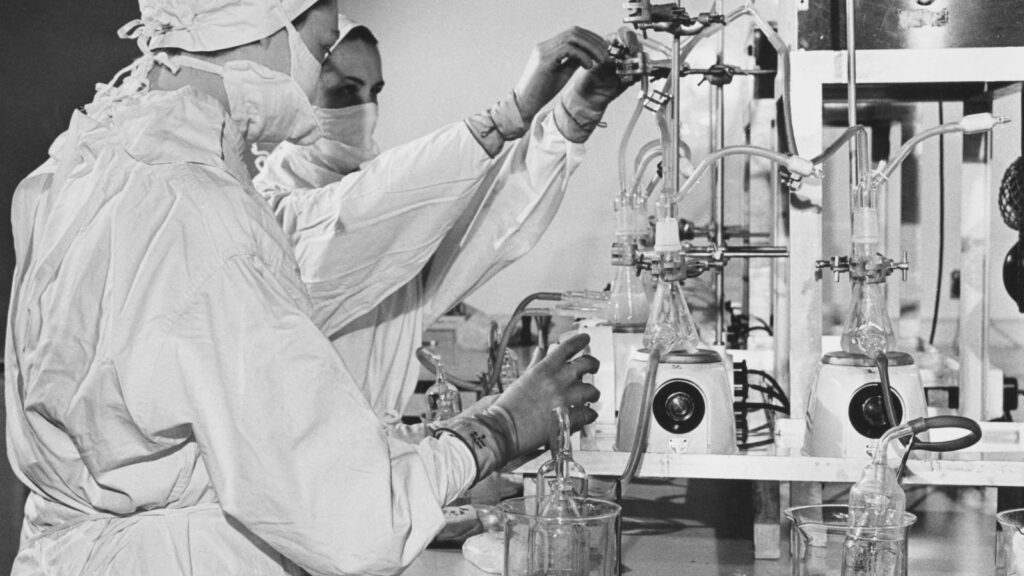
During and after World War I, factories hired women to paint watch and clock dials with radium-based paint. The paint glowed in the dark, which soldiers needed for reading their watches in trenches. Management taught the women a technique called lip-pointing, where you wet the brush tip with your mouth to keep it sharp. Doing this dozens of times a day became routine. Some of the women, delighted by the glow, painted their nails and teeth before parties. Nobody warned them. Company doctors repeatedly reassured them the substance was completely harmless.
What the Radium Actually Did to Their Bodies
Within a few years, women started getting sick. Teeth fell out. Jawbones developed holes and fractures that refused to heal. Anemia spread through the workforce. Bones broke under the weight of their own bodies. One woman had her entire jaw removed. Several died slowly and in tremendous pain.
Trying to sue, the women ran into company-hired doctors who blamed their conditions on unrelated causes, including syphilis, which also served as a deliberate smear on their reputations. Legal teams dragged proceedings out for years, betting the women would die before any verdict came down. Several did.
The Legacy They Left Behind
Eventually some won settlements. More importantly, the legal battles set a precedent: employers face liability when they know something endangers workers and hide it. Every workplace safety protection that came after carries a little DNA from these women.
Grace Fryer, Edna Hussman, Katherine Schaub, Quinta McDonald, Albina Larice. Their names do not appear in textbooks. Kate Moore wrote a book about them in 2016 that is genuinely worth your time. By any reasonable measure, they deserve the same recognition as any labor rights figure in American history.
A Group of German Students Printed Anti-Hitler Pamphlets Knowing It Would Probably Kill Them
Most of what gets taught about resistance to Nazism focuses on people outside Germany. The French Resistance, Allied forces, Eastern European partisans. Underneath a lot of that history sits an implicit assumption that ordinary Germans either supported Hitler or kept their heads down. The White Rose complicates that story considerably.
Two Siblings at the Center of It All
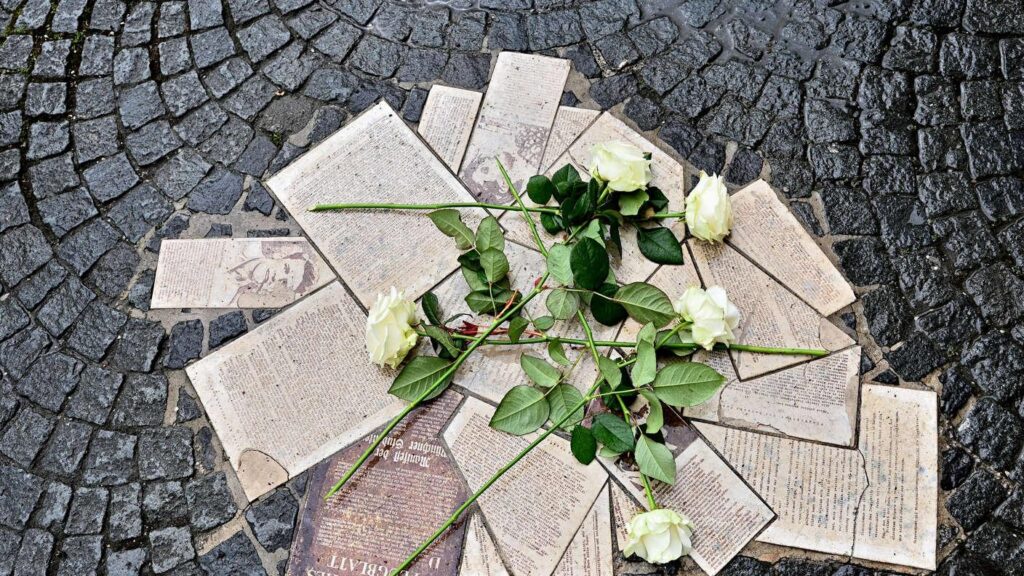
Hans Scholl was 24. His sister Sophie was 21. Both attended university in Munich. Along with a small circle of friends, they formed a resistance group in 1942 and started producing leaflets calling on Germans to reject the Nazi government, oppose the war, and refuse the ideology. Thousands of copies got printed by hand and mailed to doctors, teachers, and pub owners across the city. Anti-Nazi graffiti appeared on university buildings in the early hours of the morning. All of them understood what the Gestapo did to people it caught.
Four Days From Arrest to Execution
In February 1943, Hans and Sophie carried a suitcase of leaflets to leave outside lecture hall doors at the university. A janitor spotted them and turned them in. Arrest came the same day.
Four days later, after a screaming show trial, a court found them guilty of treason and sent them to the guillotine. Hans’s last words were reportedly “long live freedom.” Sophie was 21 years old.
Germany teaches this story today. Schools and streets carry the Scholl name across the country. Outside Germany though, almost nobody knows who they were. That is strange, because their story makes one of the most powerful arguments possible: that ordinary people inside the Third Reich could have chosen differently, and some did.
The 1918 Flu Killed More People Than World War I and the Government Hid It
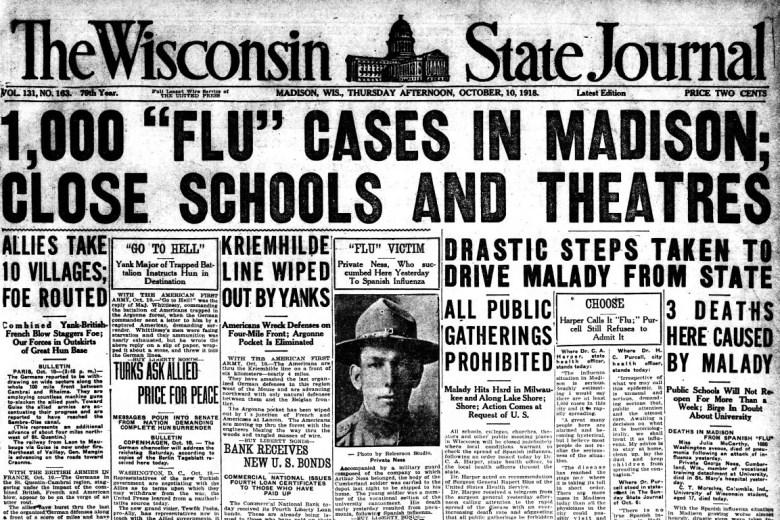
The numbers are staggering. The 1918 influenza pandemic killed somewhere between 50 and 100 million people worldwide. The war running alongside it killed around 20 million. By any measure, the flu was the larger catastrophe, and Allied governments actively suppressed news coverage of it to protect wartime morale.
How Censorship Shaped the Story and Even Its Name
American newspapers could not report on how badly the flu tore through military camps. Officials publicly downplayed the severity as hospitals overflowed and people died at home with nowhere else to go. Philadelphia held a massive Liberty Loan parade in late September 1918 to sell war bonds. Local health officials begged for cancellation. Politicians overruled them. Two weeks later, city morgues overflowed and ice rinks stored bodies.
Spain was neutral in the war, so Spanish newspapers could actually cover the story honestly. When the Spanish king fell seriously ill, it became major international news. Because Spain was the only country reporting openly, the name Spanish Flu stuck, even though Spain almost certainly did not originate it. Political censorship literally named a global pandemic after the wrong country.
The Collective Amnesia That Followed
The 1918 flu disappeared from popular memory for most of the twentieth century. School curricula skipped it. Popular histories barely touched it. The generation that lived through it mostly stayed quiet, the way people sometimes do after collective trauma.
When COVID hit in 2020 and comparisons to 1918 started appearing, many people had no frame of reference. An event that killed roughly 3 to 5 percent of the entire global population had simply faded out of the public consciousness. That kind of forgetting does not happen by accident.
Japan Ran Human Experimentation Programs and America Cut a Deal to Bury the Evidence
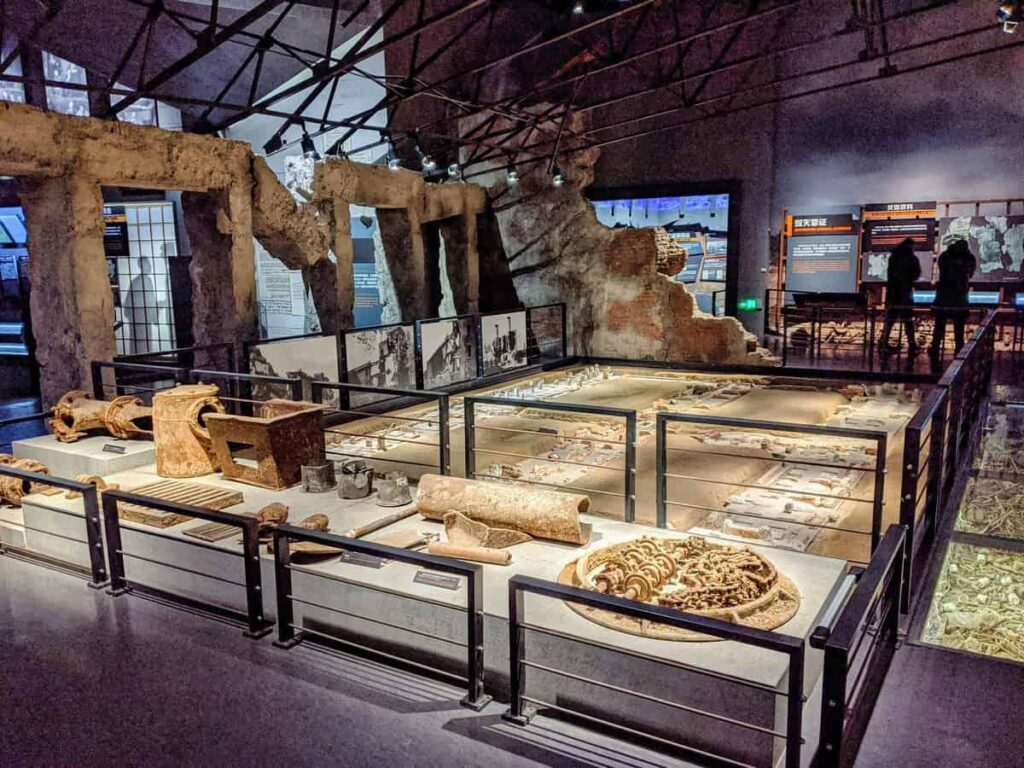
Unit 731 was a covert Japanese military unit operating in occupied Manchuria during World War II. Its stated purpose was biological and chemical weapons research. The actual work involved lethal experiments on prisoners, mostly Chinese civilians and POWs, with some Russian and Korean prisoners included.
What Happened Inside That Facility
Researchers deliberately infected people with plague, cholera, and typhoid. Surgical procedures took place without anesthesia. Scientists studied the effects of extreme cold and pressure on living human bodies. Field tests released biological weapons on civilian populations. Death estimates range from several thousand inside the facility to potentially hundreds of thousands when the weapons testing in the field gets factored in.
The Immunity Deal That Kept Everyone Out of Court
After Japan surrendered, authorities under General MacArthur negotiated immunity for the scientists and officers of Unit 731 in exchange for their research data. American officials considered the biological weapons information too valuable to pass up, and feared the Soviets reaching it first.
The men responsible for some of the worst atrocities of the war built distinguished postwar careers in Japanese medicine, business, and academia. None faced trial. America classified the information. Japan did not publicly acknowledge the unit’s existence until the 1990s.
The Soviet Union prosecuted some Unit 731 members it captured, but international circles largely dismissed those trials as propaganda. That dismissal may have had some basis. It also completely misses the point. The people who designed those programs faced no accountability, and the country most responsible for ensuring that outcome was the United States.
Why Knowing This Stuff Actually Changes How You See the Present
Honestly, the reason I keep reading this material has nothing to do with feeling smarter or having things to say at dinner. The gaps in the official story tend to be exactly where the most important things live.
The Patterns You Start Recognizing
Learning about the Radium Girls turns “corporate accountability” from an abstract phrase into something real and specific. Suddenly you understand what it actually looks like when a company knowingly poisons its workers and buries the evidence. Recognizing that pattern in the present becomes much easier.
Learning about the 1918 flu and the censorship that surrounded it makes the relationship between public health and political pressure genuinely complicated rather than simple. Learning about the White Rose makes the argument that “ordinary people had no choice” inside a totalitarian state very hard to sustain.
The sanitized version of history does not just leave you uninformed about the past. It leaves you worse at reading the present, because it strips away the examples that would help you recognize what you are actually looking at.
One Thing Worth Being Careful About
There is well-documented hidden history backed by academic research, declassified government files, court records, and cross-referenced eyewitness accounts. Then there is fake “hidden history” that exists mainly to push people toward conspiracy theories. Learning to tell the difference matters more than the content itself.
If a claim about suppressed history does not come with verifiable sourcing, treat it with real skepticism. The genuine gaps are disturbing enough without anyone exaggerating them.
My uncle still has that Tulsa book ago. He has never asked for it back. Maybe he figured I needed it. Names fill those pages that I still think about sometimes. People who built something real, watched it get destroyed in a single night, and then spent decades being told it basically had not happened.
History holds a lot of people like that. Learning their names feels like the very least anyone can do.