
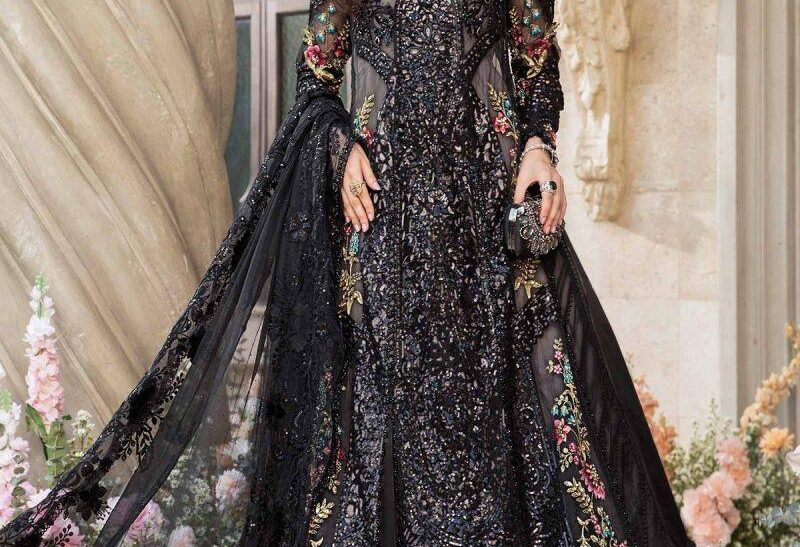
Last Eid, I stood in front of my wardrobe for twenty minutes holding a heavily embroidered outfit I had worn exactly once. I did not want to put it on again. It was beautiful — but completely impractical. Heavy, formal, demanding of a full face of makeup and three hours of occasion-readiness.
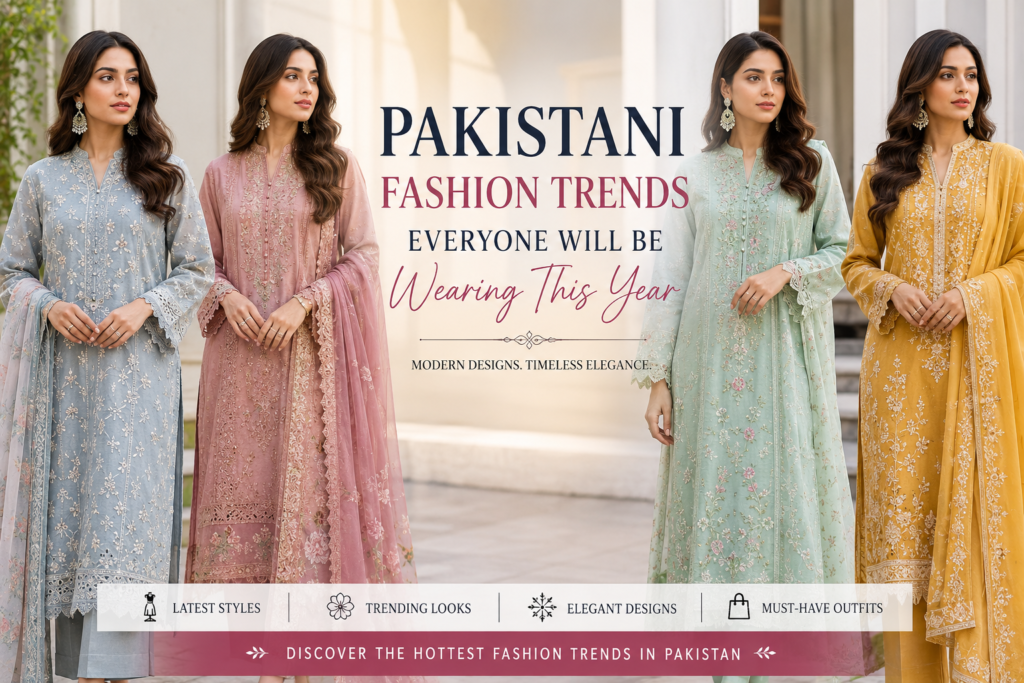
My cousin walked in wearing the most effortless combination — a soft cotton kurta in a dusty olive shade, tailored cigarette trousers, and simple gold jhumkas. She looked genuinely put-together. My maximalist outfit never quite managed that.
That moment crystallised something the entire Pakistani fashion industry seems to have figured out simultaneously this year. More is no longer more. The best dressed women right now look like they thought about their outfit — not like their outfit is wearing them.
Pakistani fashion in 2026 has made a real shift. The trends this year are about refinement, practicality, and a quiet confidence. They come from wearing clothes that actually work in your real life. If your wardrobe has been feeling overdressed or uninspired lately, this is a genuinely useful moment to pay attention.
Quiet Luxury Has Officially Reached Pakistani Fashion
You have probably noticed this phrase floating around global fashion conversations. Quiet luxury is not a trend exactly — it is more of a philosophy. Real elegance comes from quality, restraint, and fit. It does not come from visible logos, heavy embellishment, or complicated silhouettes.
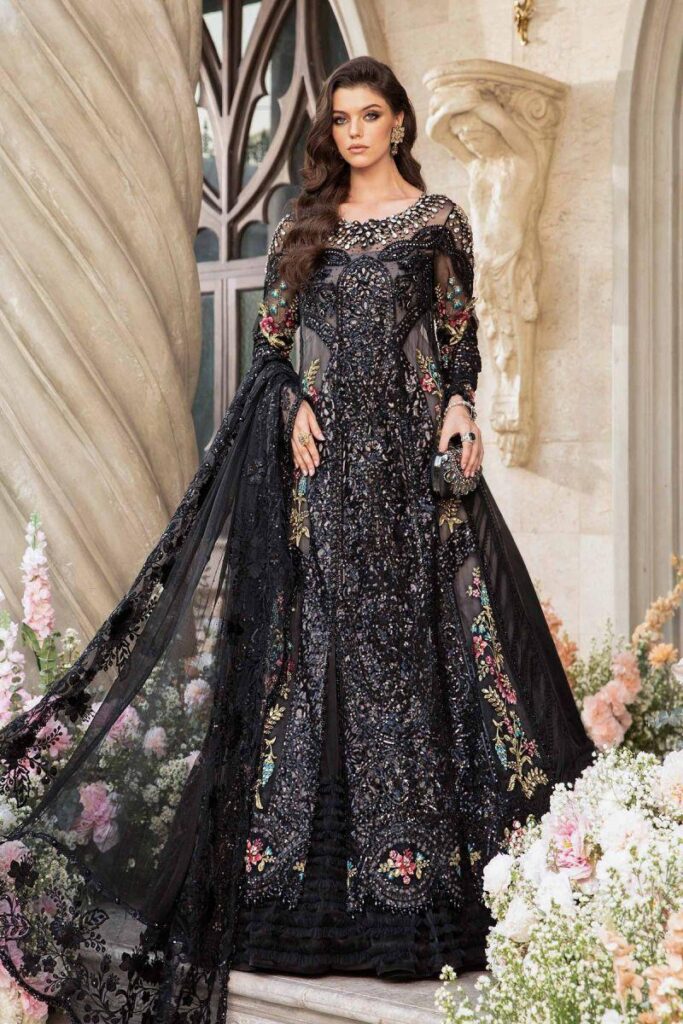
Pakistani women are moving toward a style that values integrity over randomness, richness over sufficiency, and quality over quantity. Clean design, precise tailoring, considered textures, and soft pure fabrics now appear across collections from Lahore to Karachi.
What this looks like in practice: outfits where the fabric does the talking. A well-cut kameez in premium cotton-silk with minimal surface decoration. Straight trousers in a clean neutral. A woven dupatta with subtle texture instead of heavy zari work spread across the entire outfit.
This does not mean boring. It means intentional. The embroidery that remains sits thoughtfully — a delicate border, a refined neckline detail — rather than covering every surface until the fabric disappears.
For anyone who has worn Pakistani clothes their whole life and felt quietly exhausted by how formal and high-maintenance the options have been, this shift is genuinely refreshing.
Lawn Season Has Reinvented Itself
Lawn has always been the fabric of Pakistani summers. Lightweight, breathable, and available in every print imaginable, it drives enormous volume. The annual lawn season launch is practically a national event. Brands like Maria B, Sana Safinaz, Asim Jofa, Elan, and Zara Shahjahan drop their summer collections and people genuinely plan around them.
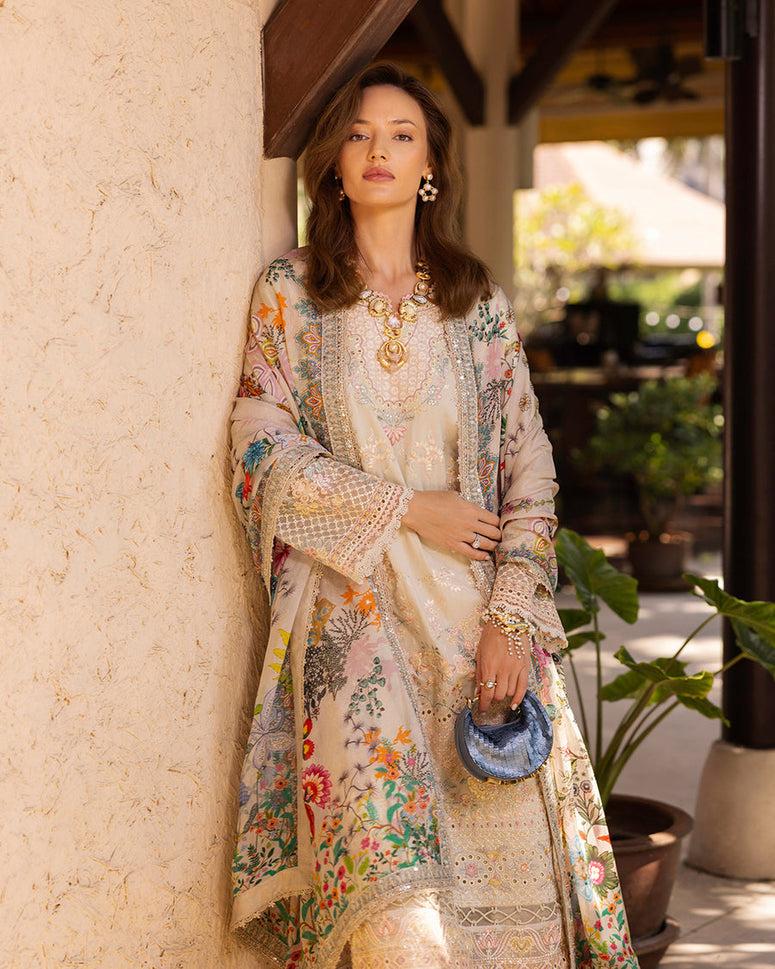
What has changed this year is not the fabric — it is the prints and the energy around them.
Colours in women’s fashion trends for 2026 move toward warm earthy tones and soft pastels. Olive, rust, stone beige, powder pink, and deep blue appear often across both stitched and unstitched collections. Loud neon shades are losing attention.
Geometric motifs and subtle florals are replacing oversized prints. The digital print explosion of a few years ago gave every lawn suit the most saturated and complex pattern possible. That era is giving way to something more considered and wearable.
Zara Shahjahan’s vintage-inspired aesthetic has been particularly influential here. Her prints carry a nostalgic softness that stands apart from the more aggressively modern options. That aesthetic now influences the broader market.
For practical shopping guidance: choose solid-ground prints where the base fabric is a neutral and the print is subtle. They wear better across multiple occasions and photograph better too — which matters whether you want it to or not.
The Shalwar Kameez Gets a Modern Recut
The shalwar kameez is not going anywhere. It is foundational to Pakistani wardrobes in a way that transcends trend cycles entirely. What is changing is the silhouette and proportion.
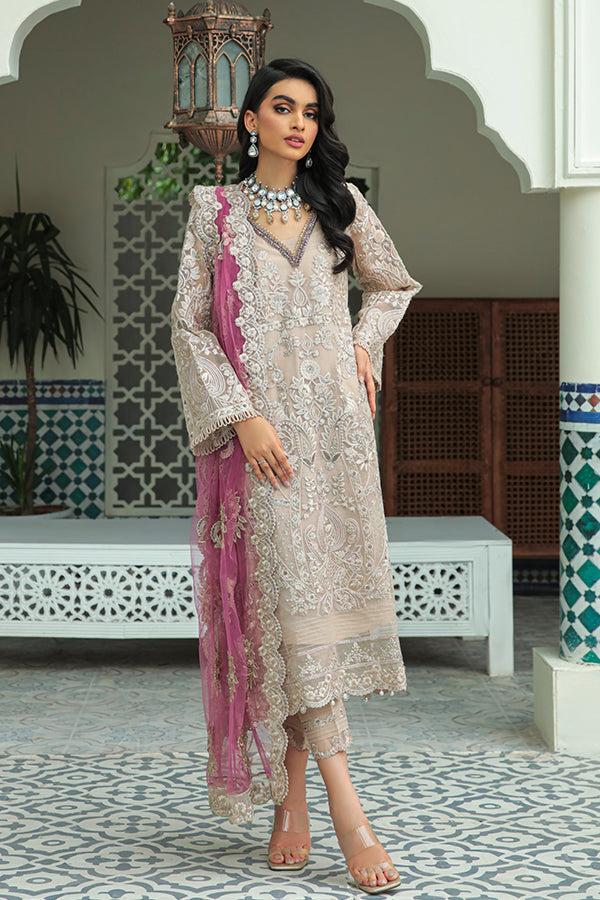
Tight fits are giving way to loose and relaxed silhouettes. Comfort and everyday use are driving this shift. The very fitted kameez with narrow shalwar that dominated a few years ago has been slowly replaced by something with more ease and movement.
Specifically, the straight-cut kameez with wide-leg or relaxed-fit shalwar is having a strong moment. The kameez hits at a flattering mid-thigh or knee length rather than floor-grazing. The overall effect reads as modern and intentional — not the somewhat stiff precision of the older silhouette.
Floor-length high-low kameez styles with well-tailored trousers are also appearing frequently. They blend contemporary silhouette with classic sensibility and sit comfortably between formal and casual — exactly the occasion gap most wardrobes need to fill.
The cut-work and asymmetrical hemlines from high-end collections last year are filtering down to mid-range prêt this year. If you spot a kameez with an interesting hem detail or a structured collar at a reasonable price point, that is the designer trend reaching the everyday market.
Dupattas Are Having Their Most Interesting Moment in Years
For a while it seemed like dupattas were on their way out. Younger women were skipping them entirely and wearing just the kurta and trouser combination. Fair enough — styling a dupatta well requires actual effort.
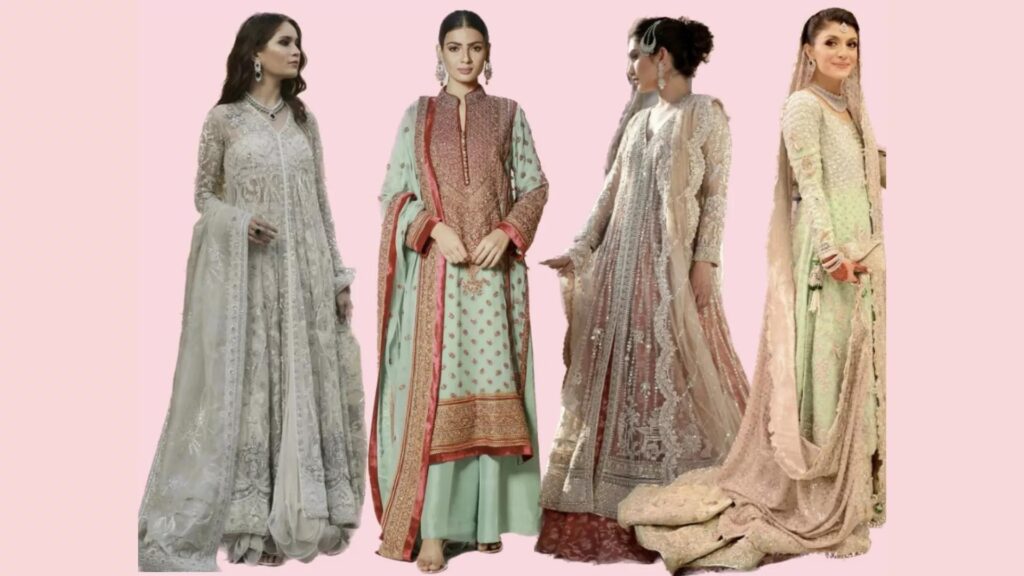
Something interesting has happened this year, though. Outfits are getting simpler, but dupattas are becoming more noticeable. They add contrast without making the whole look heavy.
The dupattas generating attention right now are not the heavy embroidered ones that match the outfit precisely. They are textured, woven, printed, or lightly embellished pieces that contrast with a simpler outfit. A plain cotton kurta pairs with a richly textured muslin dupatta in a complementary colour. A minimal straight suit gets a block-printed dupatta that does all the visual work.
This approach is genuinely clever from a wardrobe-building perspective. One interesting dupatta can update multiple simpler outfits. Shopping for statement dupattas separately — rather than always buying three-piece sets — is a more economical and versatile approach.
Brands like Generation and Khaadi have strong dupatta selections sold separately, which makes this easy to execute practically.
Fusion Dressing Has Become Genuinely Mainstream
Fusion styling has existed in Pakistani fashion for years but always carried a slightly self-conscious energy — like it needed to announce itself as a deliberate aesthetic choice. That self-consciousness has largely disappeared.
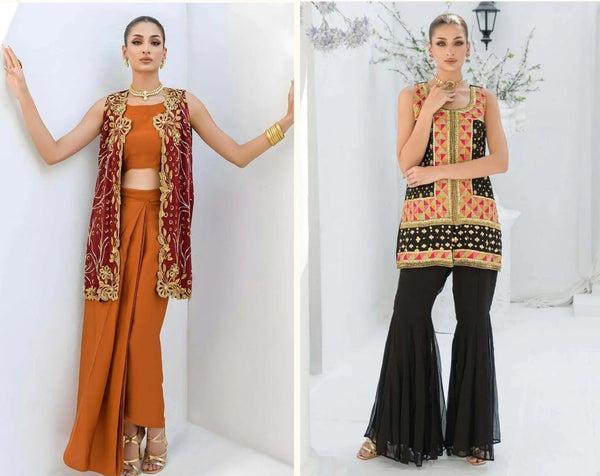
Straight-fit denim with long shirts, waist-length jackets over plain kurtas, and athletic-style sneakers paired with ethnic tops are all gaining popularity in major cities. The mix stays balanced, not loud.
The fusion looks that work are not dramatic east-meets-west statements. They are practical choices that a real person makes on a real morning. A classic lawn kurta worn with wide-leg jeans and white sneakers for a university day. A structured Pakistani jacket worn over a plain Western dress for dinner. A printed dupatta draped over a simple co-ord set.
This is particularly visible among women in their twenties in Lahore, Karachi, and Islamabad. The aesthetic is confident, relaxed, and clearly influenced by both local designers and international fashion content consumed through Instagram and Pinterest.
For anyone hesitant about fusion because it felt like it required a clear aesthetic vision: the bar is lower than it looks. Take one strong Pakistani piece and combine it with clean, minimal Western items in neutral colours. That combination almost always reads well.
Wedding and Festive Wear Shifts Toward Wearable Elegance
Pakistani wedding wardrobes have historically leaned toward the most elaborate possible version of everything. Heavy lehengas, maximally embroidered shararas, outfits so heavily worked that sitting comfortably became a secondary consideration.
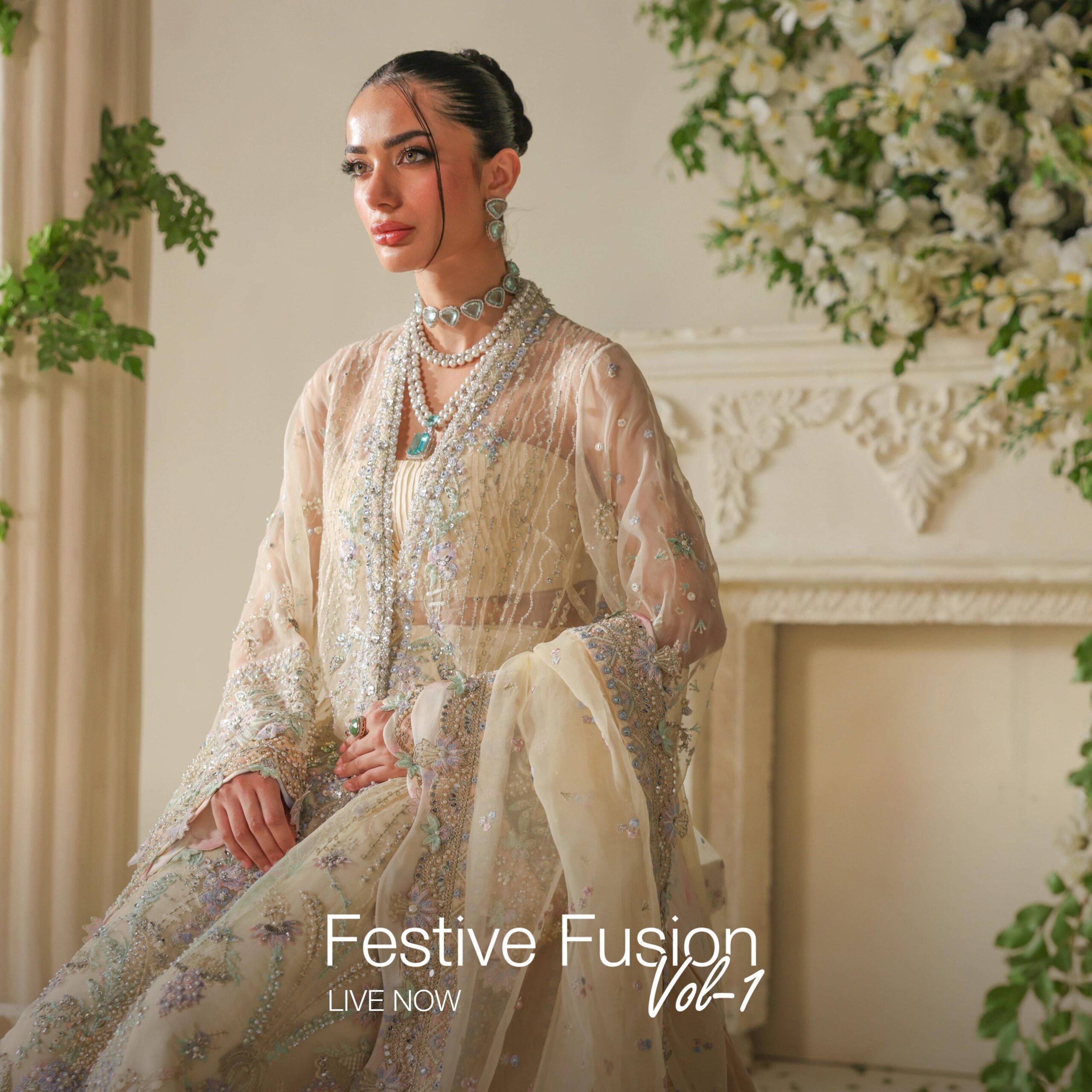
The conversation in bridal and festive fashion this year centres on wearability. Trending outfits for weddings show balanced embroidery focused on borders instead of all-over work. This reduces visual clutter and makes garments easier to wear for longer hours. The goal is elegance without weight.
Sharara-style trousers return in updated proportions. Dupattas carry more visual weight through textured weaves instead of heavy embellishment. Long maxi-style dresses with Eastern elements are gaining acceptance for family gatherings and evening events.
For everyone who has arrived at a wedding beautifully dressed but exhausted by the outfit within two hours — this is a welcome development. A formal garment that weighs less and restricts movement less is a better garment for a six-hour wedding function.
For festive shopping specifically, look for pieces where embroidery concentrates at the neckline, cuffs, and hem borders rather than spreading across the entire surface. These pieces photograph beautifully and feel significantly better to actually wear.
The Colour Story This Season
Colour is one of the clearest ways to read where Pakistani fashion is moving, and the palette of this year tells a very specific story.
The dominant mood is warm, soft, and grounded. Earthy tones have overtaken the bright and saturated palettes that defined Pakistani fashion for much of the previous decade. Dusty olive, burnt rust, stone beige, terracotta, and warm ivory appear across collections at every price point.
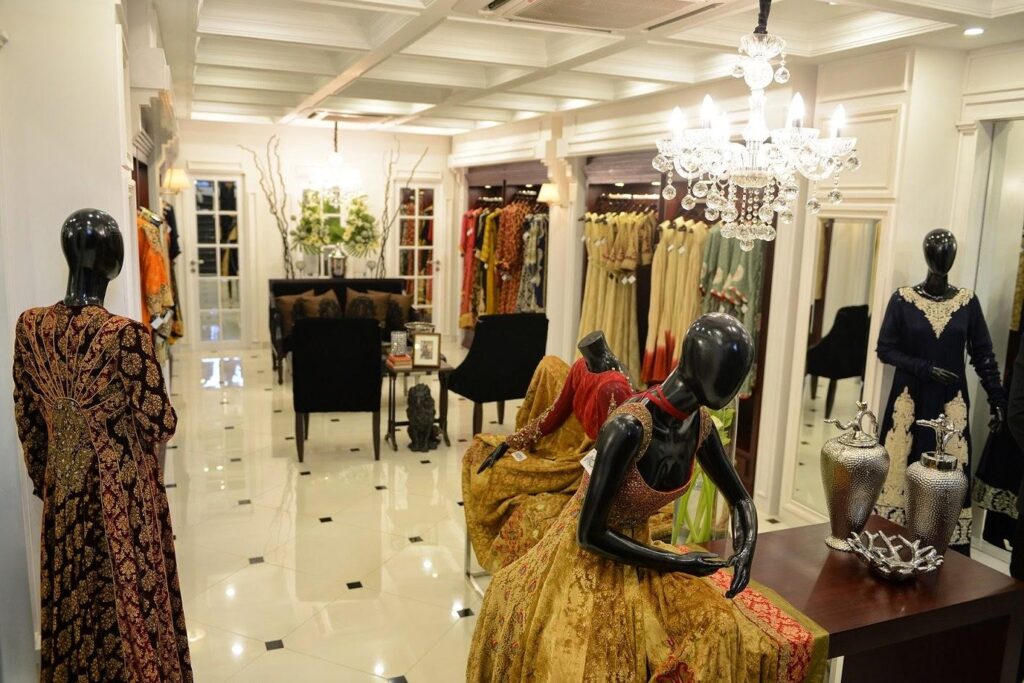
On the cooler side of the spectrum, powder blue, soft sage, and muted lavender are strong. Deep tones like midnight navy and forest green appear in formal and festive contexts — with more restraint than the jewel-toned maximalism of previous years.
This palette works across seasons and occasions. A stone beige kurta suits an office Tuesday as easily as a casual family dinner. An earthy rust cotton suit works in summer heat and transitions into autumn with a layered shawl.
Building a wardrobe around this colour story also makes putting outfits together easier. Neutral earthy tones coordinate with almost anything. Individual pieces get worn far more often than loudly coloured items that only work in specific combinations.
Pakistani men’s fashion often gets less coverage than women’s — which is a shame, because the movement happening there this year is genuinely interesting.
Traditional Asian clothes are strongly trending in 2026 in Pakistan for men, particularly kurtas and shalwar kameez. Younger men especially are embracing traditional Pakistani menswear with real confidence rather than treating it as purely occasion dress.
The kurta now appears for casual outings. Men pair it with clean white or navy shalwar for daily wear, or style it with straight trousers for a smart-casual look. It is reclaiming ground from the Western casualwear that had become the default for young urban men.
The quality of men’s prêt has improved significantly. Brands like Junaid Jamshed, Bonanza Satrangi, and Breakout produce well-constructed kurtas at accessible price points. The cuts have also modernised — slimmer but not restrictive silhouettes, with interesting textural details in the fabric rather than surface embellishment.
For men’s wedding wear, the heavily embroidered sherwani remains a classic. But a well-constructed salwar kameez in a premium fabric with restrained surface detail is increasingly acceptable — and often genuinely more elegant.
Where to Shop and How to Avoid the Most Common Mistakes
Where to Shop
Pakistani fashion is more accessible than ever for people both inside Pakistan and in the diaspora. Brands ship internationally and online shopping has transformed access considerably.
Inside Pakistan, mid-range prêt brands like Khaadi, Generation, Limelight, Sapphire, and Zellbury offer well-made seasonal collections at accessible prices. For higher-investment pieces, designers like Sana Safinaz, Maria B, Asim Jofa, and Elan produce work that holds its value in quality and wearability.
For the diaspora, platforms like UY Collection stock 200-plus Pakistani brands with international shipping. Packages reach the US, UK, UAE, and Canada regularly. Rangreza and other specialist platforms cater specifically to the Pakistani community abroad with curated selections.
Instagram and TikTok remain the most current way to track what people are actually wearing versus what brands produce for photo shoots. Pakistani fashion influencers on both platforms provide realistic styling references that are more useful than editorial imagery for understanding how trends translate to real life.
Mistakes to Avoid
The most common mistake people make when building a Pakistani wardrobe is buying too many occasion pieces and not enough versatile everyday items. A wardrobe of heavily formal outfits leaves you with nothing for daily life while the formal pieces sit unworn.
A better approach: invest in four or five quality everyday pieces — well-cut cotton or lawn kurtas, clean neutral trousers, a versatile dupatta or two — then add one or two truly special pieces for actual occasions.
The other common mistake is buying unstitched fabric on impulse without a reliable tailor to execute it. Unstitched fabric sits beautifully on a shelf, but skilled stitching turns it into a garment worth wearing. Building a relationship with a good darzi who understands current cuts and your personal fit preferences is one of the highest-value investments you can make in a Pakistani wardrobe.
The Bigger Picture
Stepping back from the individual trends, the direction Pakistani fashion is taking in 2026 reflects something broader about how people want to live and dress.
There is less interest in clothes that perform occasion or status. There is more interest in clothes that support real daily life while still looking considered and beautiful. Less performance, more presence. Less spectacle, more substance.
That shift aligns with a generation of Pakistani women navigating professional lives, urban commutes, social gatherings, and family obligations simultaneously. They need clothes that move between those contexts without demanding a complete wardrobe change.
The fashion industry is catching up to that reality this year in a way that feels genuine. The best pieces appearing across collections right now are things you can actually wear, repeatedly, with genuine pleasure.
That feels like a development worth celebrating — and worth dressing for.