
My bag was half-packed before I even booked the flight.
That is what happens when you have been putting off travel for too long. You hit a point where you stop researching and just go. Last spring, I booked a last-minute trip to a place I knew almost nothing about, showed up with vague plans and a Google Maps list I had built at midnight, and somehow had one of the most unexpectedly beautiful experiences of my life.
That trip changed how I travel. Less planning paralysis, more actual going. And honestly, more noticing — of light, of food smells, of how locals sit in cafes, of the way a city feels different at 6 AM versus noon.
So this year, instead of sharing a generic list of “top destinations,” I want to talk about places that genuinely surprised me or people I know. Places where something clicked. Some are famous. Some are not. All of them are worth the trip.
Why This Year Is Different for Travel
Something shifted after the last couple of chaotic travel years. People are not just going to tick a destination off a list anymore. The vibe has changed. Travellers want to feel something, not just see something. They are looking for experiences that feel specific and real rather than curated and performative.
That shift matters for how you choose where to go.
The destinations worth visiting right now are not necessarily the most Instagrammed ones. Some of the most photogenic places I have visited also left me feeling weirdly empty because everything was built around the shot rather than the experience. The places that stayed with me had texture, inconvenience, surprise.
Keep that in mind as you read through these.
Georgia (The Country, Not the State)
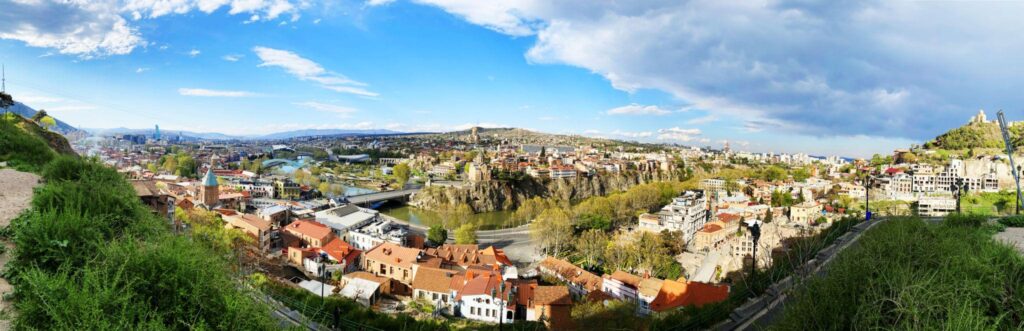
A friend came back from Tbilisi talking about it for three weeks. She described it as “what would happen if medieval Europe, the Middle East, and the Soviet Union had a very chaotic and beautiful baby.” That description is accurate.
What Makes It Special
Tbilisi sits in the Caucasus region and has this quality of feeling ancient and modern simultaneously. Old Town has crooked cobblestone lanes, crumbling balconies draped with grapevines, and sulfur bathhouses that have been running for centuries. Ten minutes away, there are rooftop bars and contemporary art galleries.
The food alone justifies the trip. Georgian cuisine is its own distinct thing: khachapuri (bread stuffed with cheese and sometimes egg), khinkali (dumplings you eat by biting off the top and drinking the broth), and walnut sauces that go on almost everything. None of it tastes like anything else.
Wine is also a significant part of the culture. Georgia claims to be one of the oldest wine-producing regions in the world, and the natural wine scene in Tbilisi is genuinely exciting.
Practical Notes
Flights from most European cities are reasonable, particularly out of budget hubs like Istanbul or Vienna. The Georgian lari goes a long way for accommodation and food — you can eat extremely well for very little. Apps like iOverlander and Google Maps work fine for navigation, though getting slightly lost in Old Town is actually advisable.
The best time to visit is late spring (April to June) or early autumn (September to October). Summer gets hot and crowded. Winter has a charm too, especially if you add a few days in the ski region of Gudauri.
Slovenia: Europe’s Best-Kept Secret (For Now)
Everyone goes to Croatia. Far fewer people cross into Slovenia, which is a genuine mistake because Slovenia offers something Croatia sometimes lacks these days: space to breathe.
Lake Bled and Beyond
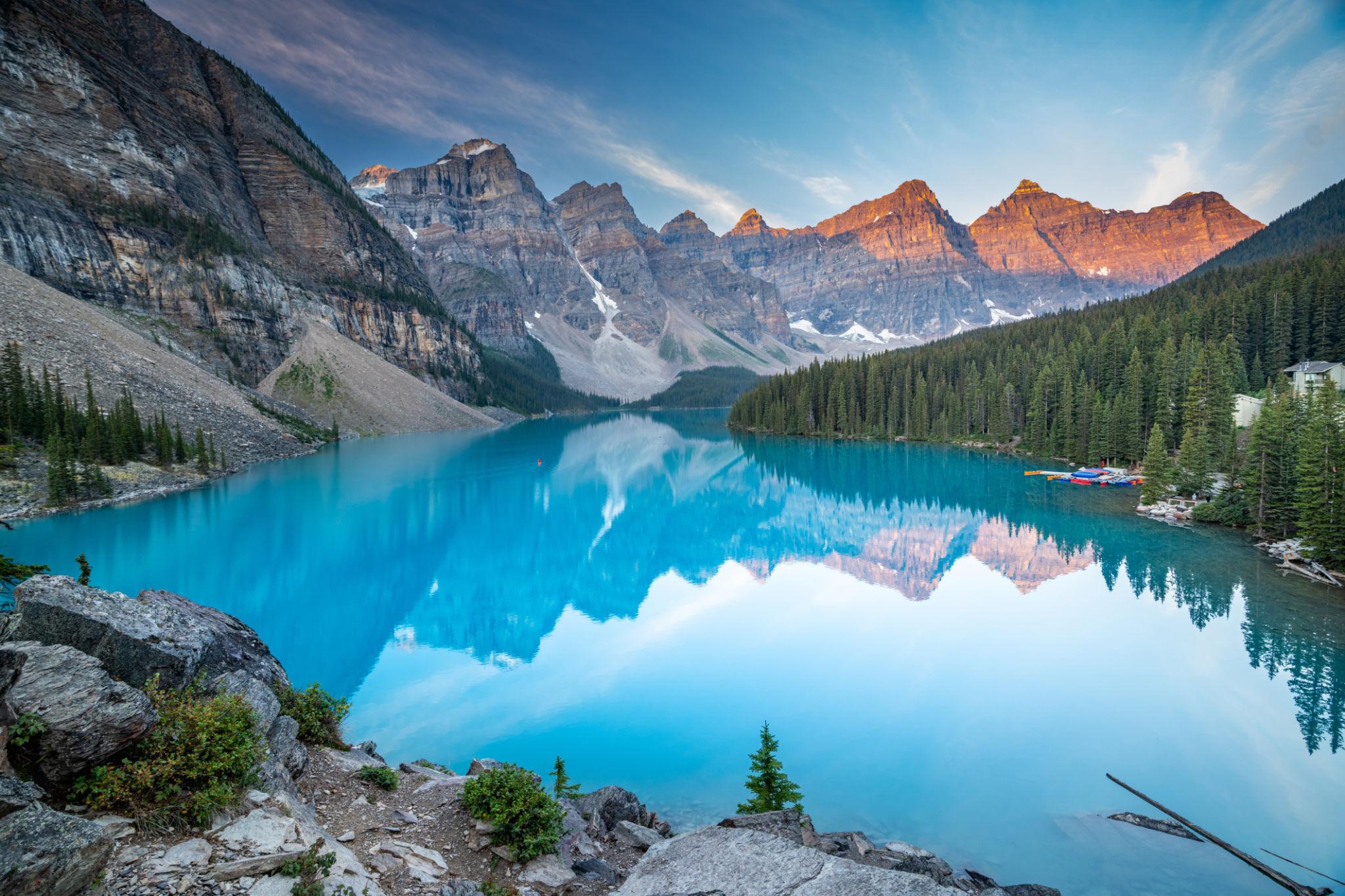
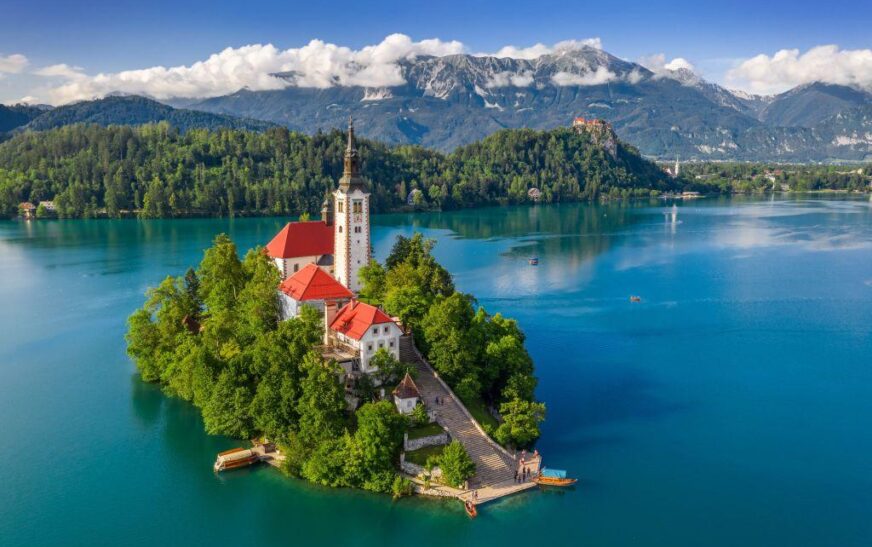
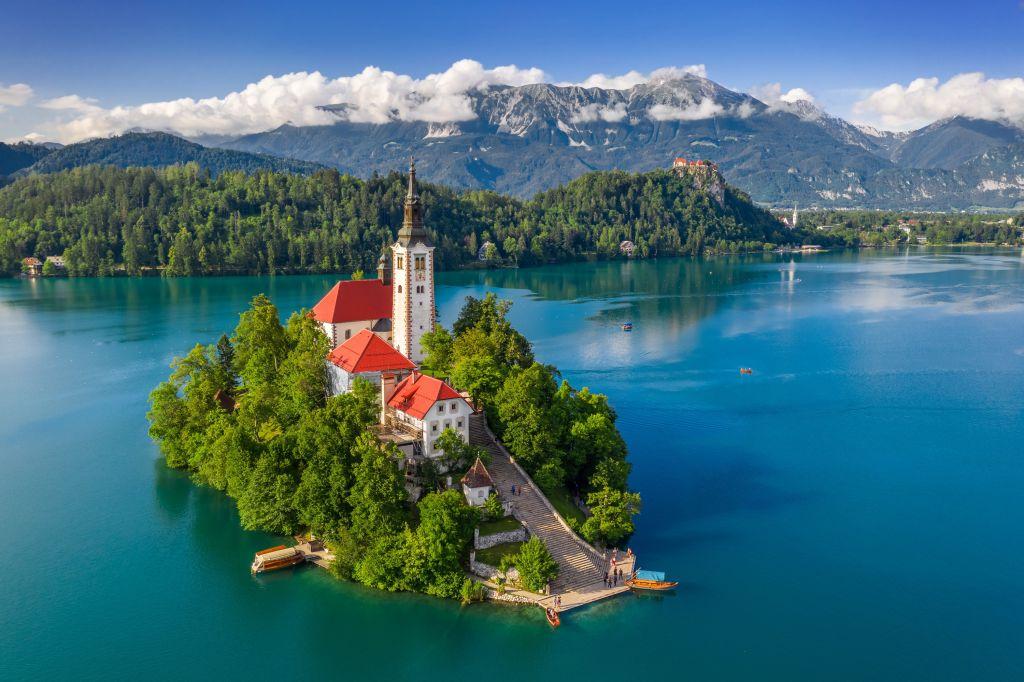
Lake Bled is the famous one — the glacial lake with the island church and the medieval castle on the cliff. It looks almost absurdly picturesque, like someone designed it specifically for screensavers. And yes, when you actually stand there in person, it still surprises you.
But the more interesting trip includes getting past Bled. Triglav National Park has hiking trails that take you into proper Alpine terrain. The Soča River runs an impossible shade of turquoise that looks digitally enhanced even when you are standing next to it. The town of Piran, on Slovenia’s tiny Adriatic coast, feels more authentically Venetian than many places in Italy.
What Caught Me Off Guard
Ljubljana, the capital, is smaller than you expect and immediately charming. The old town is pedestrianised, the castle is walkable from the centre, and the food and coffee scene is far better than a city this size has any right to claim. A friend who visited in March said she practically had the whole place to herself.
Slovenia is also compact enough that you can cover a lot of ground in a week without feeling rushed. Renting a car is worthwhile here. The drives are genuinely scenic.
Vietnam’s Northern Highlands
Everyone knows Ho Chi Minh City and Hoi An. They are wonderful and worth visiting. But the north of Vietnam offers something different: landscape that makes you feel genuinely small.
Sapa and the Rice Terraces
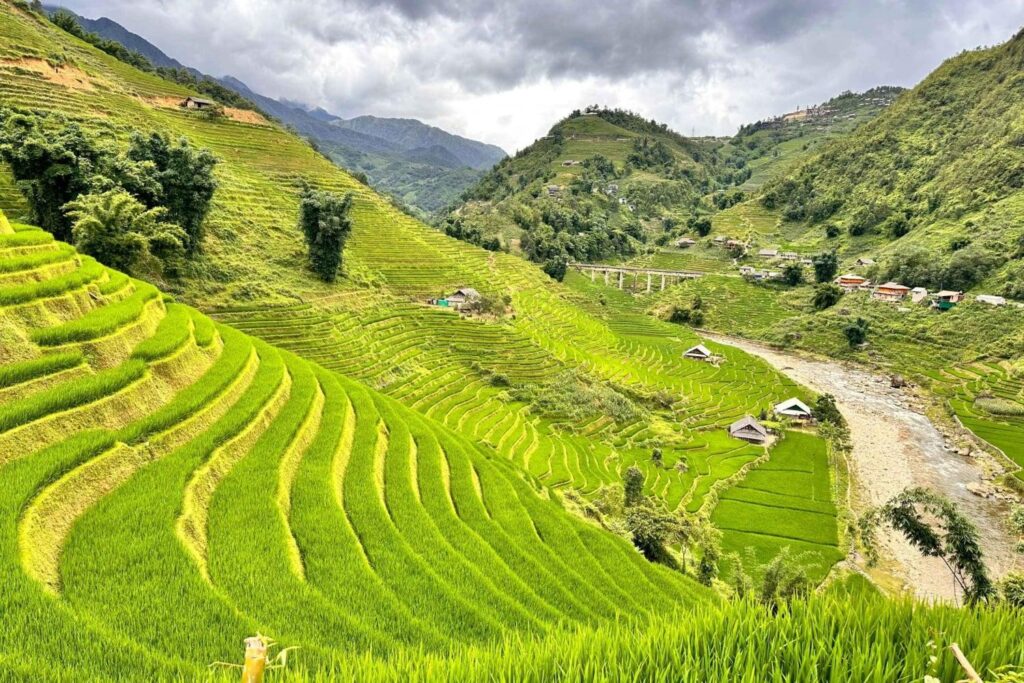
The rice terraces around Sapa are among the most visually dramatic landscapes I have ever seen. Layered hillsides that seem to fold into each other, with villages tucked into valleys below, and clouds sitting at eye level in the mornings. Visiting during harvest season (September to October) means the terraces turn gold, which sounds cliché and looks absolutely stunning.
Getting there requires a train from Hanoi to Lao Cai, then a bus or car up into the mountains. The journey itself is part of the experience. Do not rush it.
Ha Giang: The Road Less Travelled
Ha Giang in the far north is less visited than Sapa and, in my opinion, more dramatic. The Ma Pi Leng Pass is one of the most beautiful mountain roads in Southeast Asia. Full stop. The views are vertiginous and extraordinary, and because tourism infrastructure is still developing, it retains a rawness that more popular destinations have lost.
Motorbike or jeep tours run from Ha Giang town. Grab app works in the towns, but out on the mountain roads, you are reliant on your guide or your own nerve.
Morocco’s Draa Valley
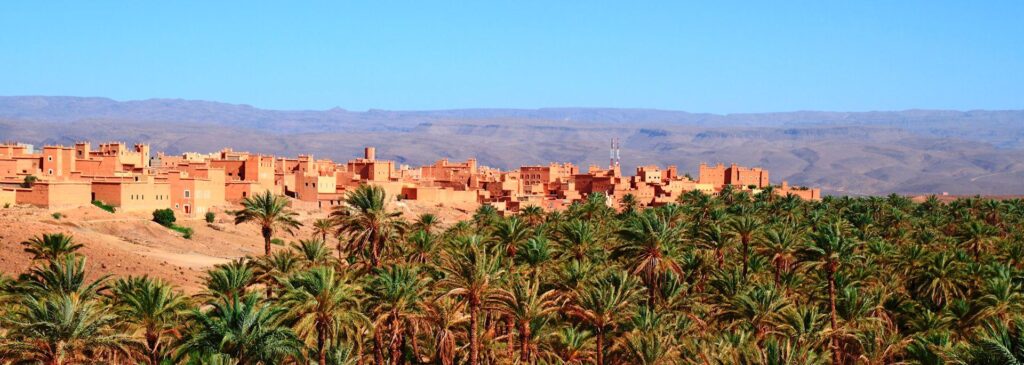
Most people who visit Morocco stick to Marrakech, Fez, and maybe a quick night in the Sahara. That route is genuinely good. But the Draa Valley, running south from Ouarzazate to Zagora, offers something more unexpected.
Kasbahs, Palms, and Silence
The valley is lined with ancient mud-brick kasbahs and oasis towns shaded by date palms. The landscape shifts constantly: rocky desert plateaus giving way to irrigated green strips where people have been farming for thousands of years. The light in late afternoon turns everything amber in a way that makes you understand why so many films are shot here.
Ait Benhaddou, a UNESCO-listed ksar (fortified village) about 30 kilometres from Ouarzazate, is one of the most photogenic sites in the country. Game of Thrones filmed here, as did Gladiator and dozens of other productions. Even knowing that, it is still breathtaking.
Honest Notes About Visiting
Morocco requires some patience. Navigating the medinas takes adjustment, the heat in summer is intense, and persistent vendors in tourist areas can feel relentless. Going in spring (March to May) or autumn avoids the worst heat. Renting a car gives you freedom that organised tours do not.
Once you get past the tourist friction, what you find is a place with extraordinary depth — food, architecture, landscape, and a hospitality culture that is genuinely warm.
Colombia: More Than Just Cartagena
Colombia has had a remarkable decade of reinvention in terms of how it is perceived by international travellers, and the reality on the ground is better than many people expect.
Medellín’s Transformation
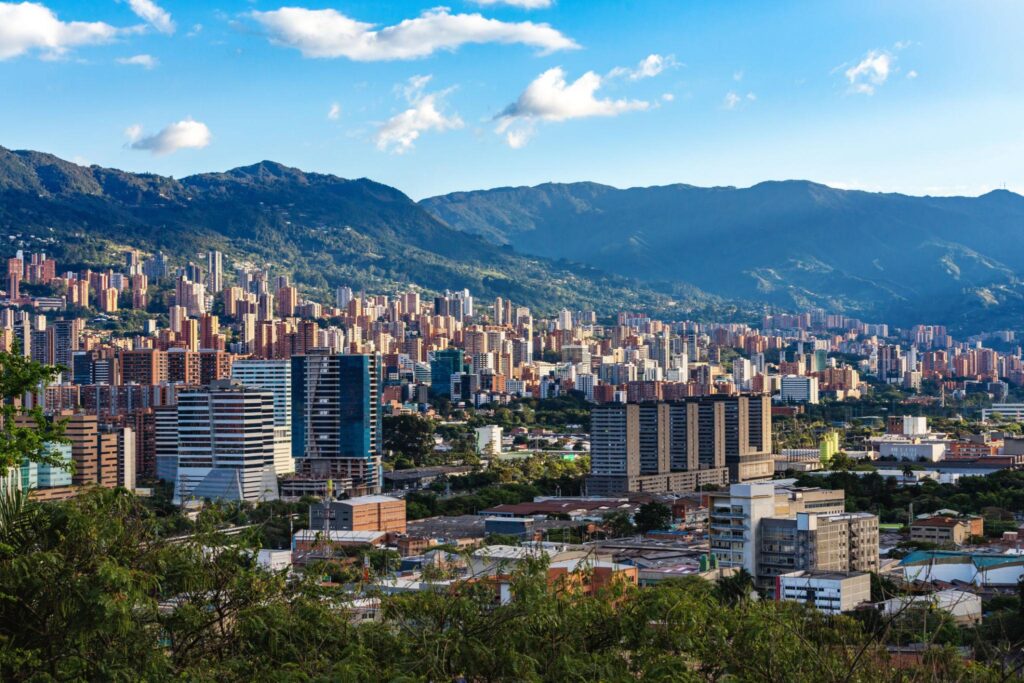
Medellín has become one of the most talked-about cities in South America, and not without reason. The city that was once defined by its darkest history has rebuilt itself with genuine ambition. The cable car system linking the hillside comunas to the city centre is not just a tourist attraction — it was built as social infrastructure for residents who previously had no reliable way down.
The coffee culture is serious here. The food scene is excellent. The weather, sitting at roughly 1,500 metres altitude, stays spring-like year-round. And the public art is everywhere and genuinely good.
The Coffee Region
An hour from Medellín, the Eje Cafetero (coffee region) offers one of the most distinctive landscapes in South America. Steep green hillsides, traditional fincas, and the peculiar wax palms of the Cocora Valley that grow to 60 metres and look prehistoric.
Staying on a working coffee farm and actually learning how coffee goes from cherry to cup is one of those travel experiences that genuinely changes how you think about something you consume every day.
Common Mistakes Travellers Make (And How to Avoid Them)
Most travel regrets come from the same handful of errors. Worth naming them directly.
Overpacking the Itinerary
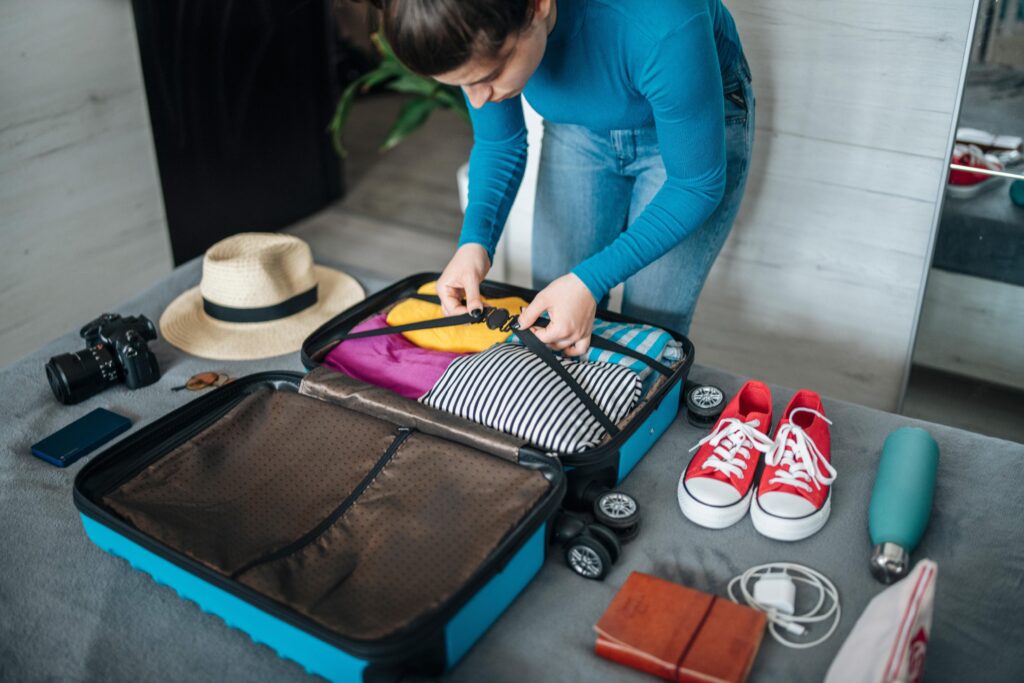
More destinations does not mean a better trip. Spending two days in each of five cities is almost always less satisfying than spending five days in two. You start to understand a place on day three. Day one is usually just logistics and jet lag.
Ignoring Shoulder Season
Peak season at most destinations means crowds, inflated prices, and less of the authentic quality that makes a place worth visiting. Shoulder season — the month before or after the tourist rush — typically offers better value, better access, and better experiences. For most of the destinations here, shoulder season is very much worth prioritising.
Relying Too Much on Top Ten Lists
The most memorable meals, views, and encounters I have had travelling were almost never the ones that appeared at the top of a Google search. Asking locals, wandering without a plan, and staying somewhere long enough to develop a routine often leads to better experiences than hitting all the highlights on a fixed schedule.
Skipping the Slow Moments
This is the one I most often have to remind myself of. The urge to keep moving, to see the next thing, is strong. But some of the best travel memories are simply sitting somewhere — a cafe, a park bench, a ferry deck — and paying attention to what is actually happening around you.
How to Plan Without Overplanning
There is a middle ground between arriving with zero preparation and booking every hour of the day in advance.
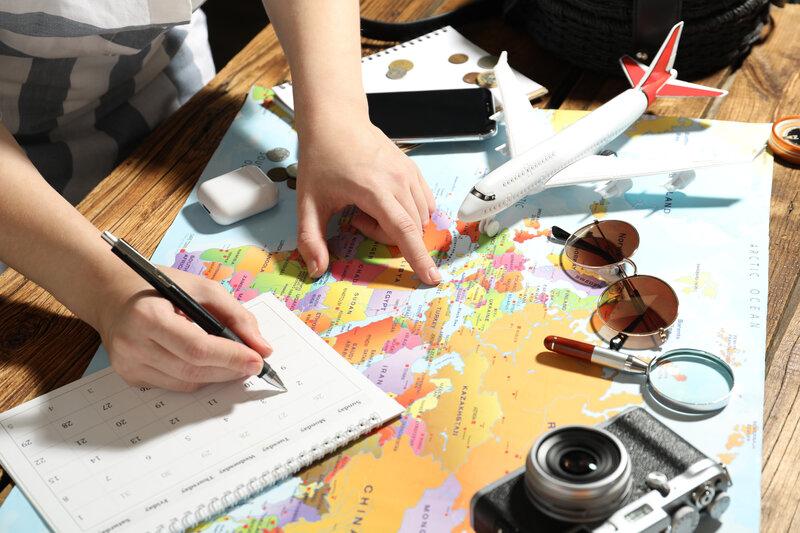
Book flights and first-night accommodation. Know the approximate shape of what you want to do. Have one or two things you really want to see or eat or experience. Then leave the rest open.
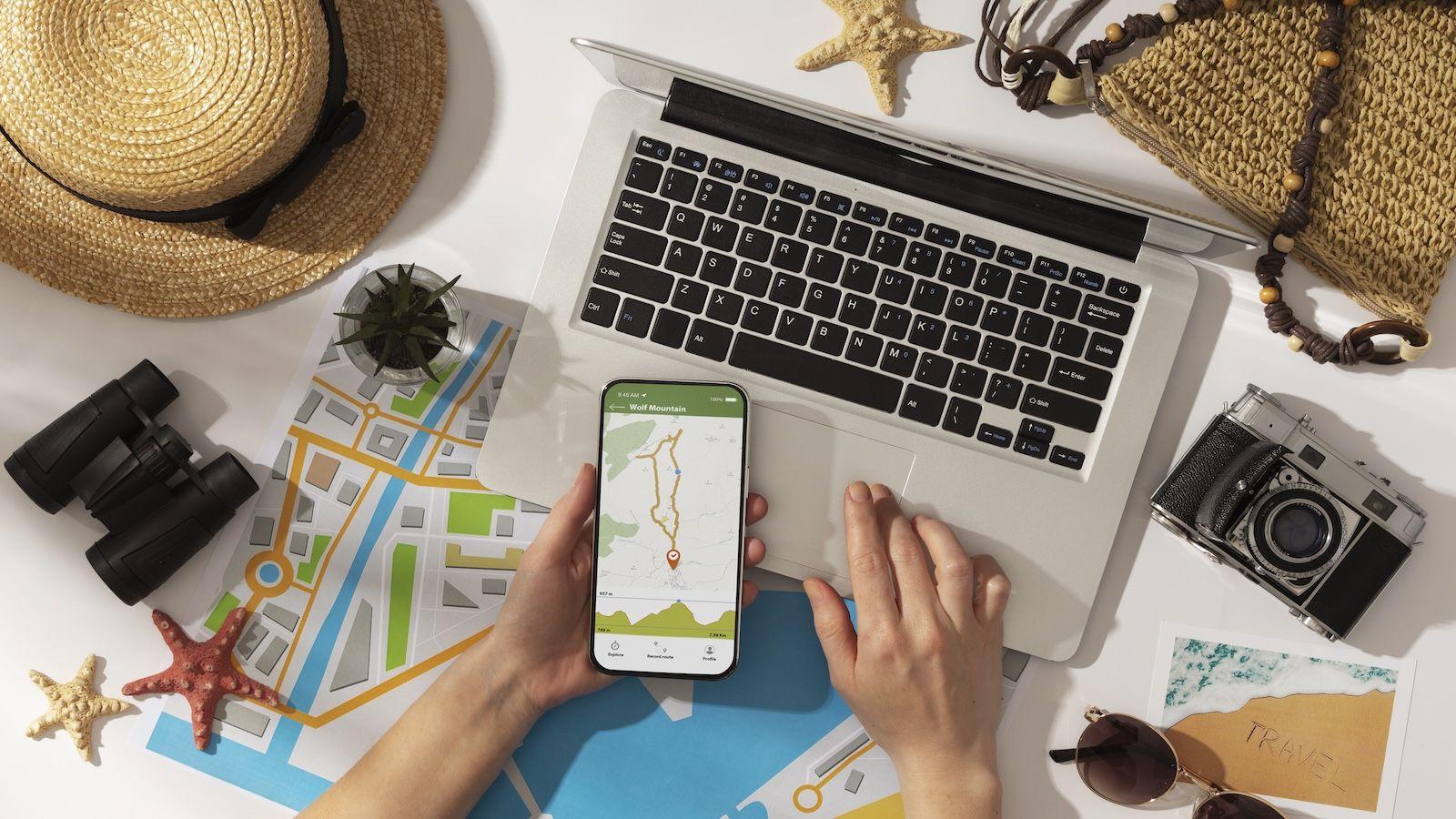
Apps worth having: Google Maps (offline download is essential), Rome2rio for transport logistics, Airbnb and Booking.com for accommodation, and WhatsApp for communicating with guesthouses and local guides in many regions.
Travel forums like Lonely Planet’s Thorn Tree and Reddit’s r/solotravel have genuinely useful on-the-ground information, particularly for less touristy destinations where guidebooks may be years out of date.
What to Look for in a Destination This Year
The places worth visiting share some qualities worth naming.
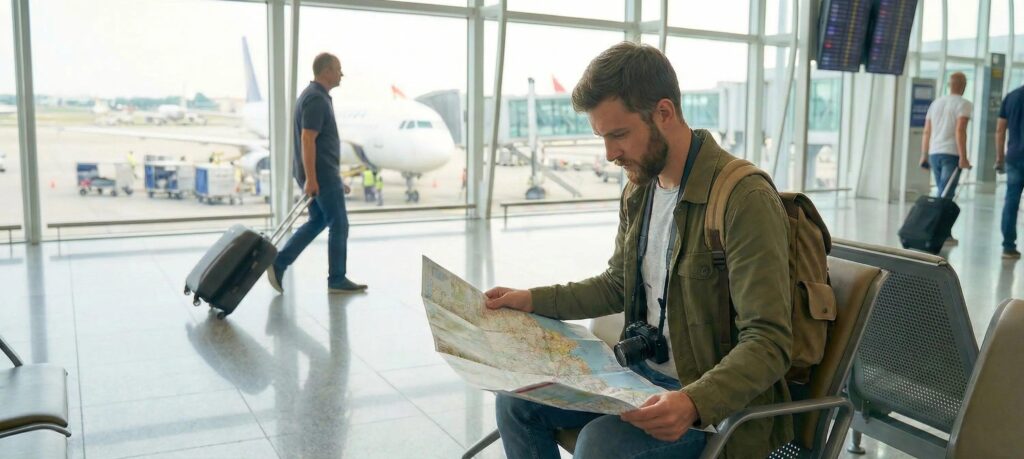
They offer an experience you cannot easily replicate at home. They have some depth beyond what you can see in a photo. They have a food culture worth exploring. They let you move at a pace that feels human rather than rushed.
None of the places on this list require extreme budgets or complicated logistics. They do require a willingness to be somewhere unfamiliar, to be occasionally confused, and to pay enough attention that the trip has a chance to leave something behind.
Final Thoughts
Travel is not really about collecting destinations. That took me a while to figure out.
The places that actually changed how I see things were not always the most objectively impressive ones. They were the places where something small and unexpected happened — a conversation, a meal, a view I was not prepared for, a moment of getting completely turned around in a medina and finding somewhere genuinely wonderful.
This year, wherever you end up going, leave enough room for that to happen. The best part of a trip is almost never the part you planned.
Pick somewhere on this list that makes you slightly nervous in an interesting way. Book it. Pack light. See what finds you.