
My cousin called me stupid for spending four days hiking in rain.
Not jokingly stupid. Genuinely, sincerely confused about why I had taken time off work, flown to Scotland, and spent most of it soaking wet on a ridge in the Cairngorms where visibility dropped to about fifteen meters by day two.
I did not have a great answer at the time. Something about wanting to see the highlands. Something about needing a break from the office. None of it sounded convincing even to me.
But here is what I remember from that trip three years later: I remember the exact moment the clouds broke on day three and the glen below appeared out of nowhere, enormous and completely empty. I remember eating a slightly crushed cheese sandwich on a boulder and thinking it was one of the better meals I had eaten in months. I remember my legs shaking on a descent and laughing at myself because nothing in my normal life ever makes my legs shake.
I do not remember a single thing from the week at the office before I left.
That gap is the whole argument for adventure. Not the Instagram version with golden light and expensive gear. The real version, which involves blisters and bad weather and moments of genuine doubt and also, sometimes, experiences that rearrange something inside you permanently.
This is what I have figured out across mountains, oceans, deserts, and rivers. Including the parts that went wrong.
Mountain Adventures and What They Actually Feel Like From the Inside
People talk about mountains in a way that sounds like a furniture catalog. Majestic. Breathtaking. Awe-inspiring. These words are technically accurate and also completely useless for preparing you for the actual experience.
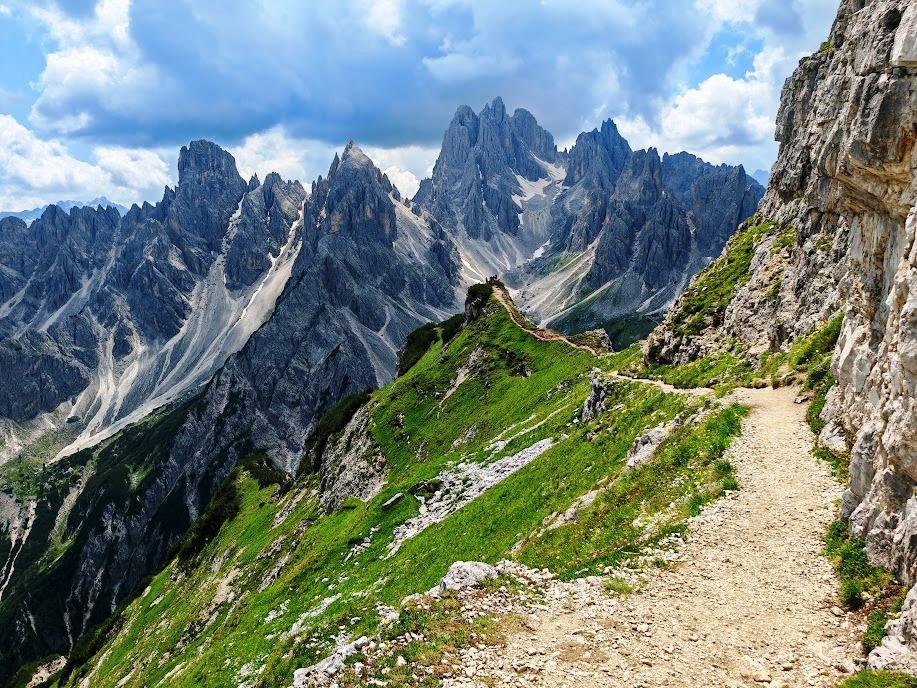
What mountains actually feel like is this: your legs hurt in a specific dull way that starts around hour three and does not stop. Your pack is heavier than it seemed at the trailhead. The path does not flatten out when you think it will. You stop more than you planned. And somewhere in that accumulated discomfort, something shifts. The thoughts that were running laps in your head before you started quietly stop. Not because you resolved them. Because there is no bandwidth left for them when you are watching your footing on loose rock.
That mental quiet is what people are actually chasing when they keep going back to the mountains. It just takes a few trips before you realize that is what happened.
The Dolomites and Why My Feet Have Never Forgiven Me
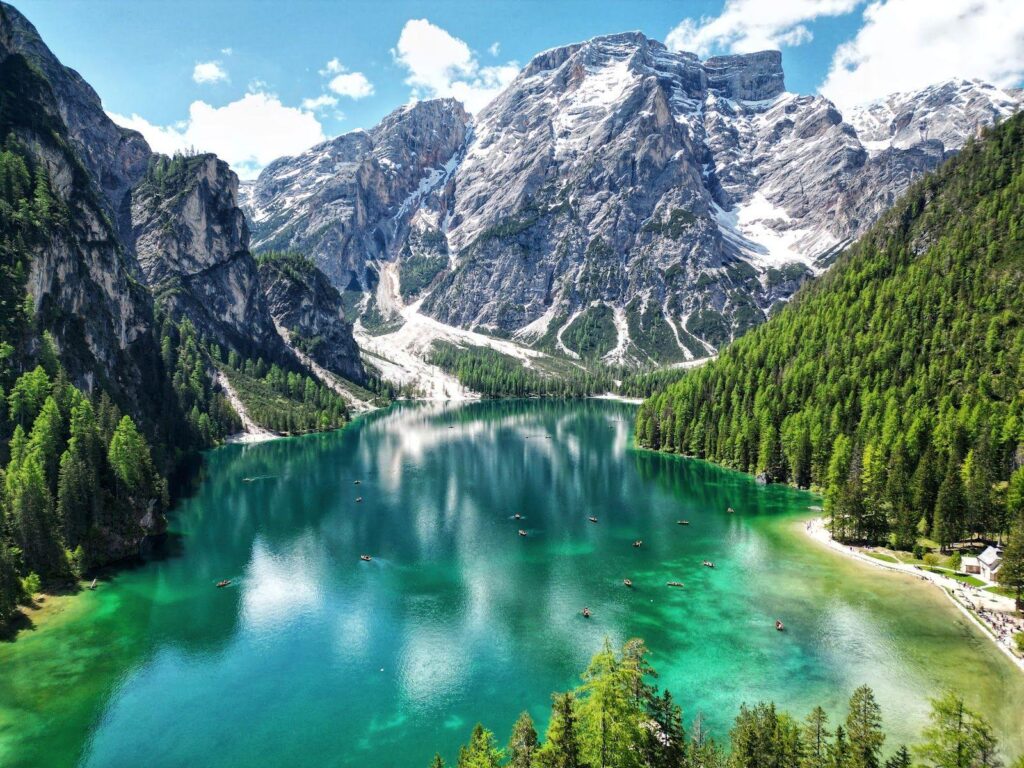
The Alta Via 1 in the Italian Dolomites is the route I recommend to anyone who asks about European mountain walking and can handle a multi-day commitment. Roughly 120 kilometers from Lago di Braies south toward Belluno, passing through terrain that looks genuinely impossible until you are standing in it.
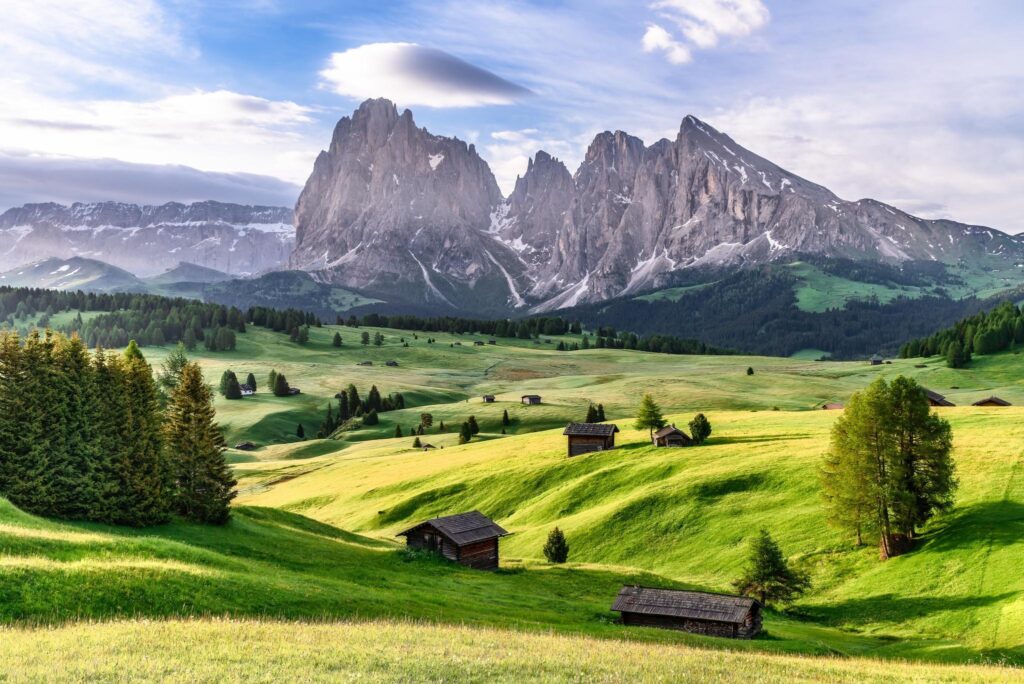
The rock formations are orange limestone towers that turn colors at sunrise and sunset in ways that feel slightly theatrical, like someone turned up the saturation. On clear days the views run for distances that make the effort of getting up there feel entirely justified. On cloudy days the clouds sit in the valleys below you and the peaks stick out above them and that is beautiful in a different way.
Mountain huts called rifugios sit along the route at convenient intervals and provide beds, hot meals, and the specific pleasure of eating pasta at altitude after eight hours of walking. Booking them months ahead is not optional in July and August. The popular ones fill completely and showing up without a reservation leaves you sleeping outside or walking an extra two hours in the dark.
Komoot handles navigation well on this route. Download the maps offline before you go because signal is unreliable in the valleys and nonexistent on the high passes.
The mistake I made on day two was not taping my heels before they started hurting. By the time I felt the hot spots it was already too late. Compeed blister plasters saved the rest of the trip but the lesson was expensive. Tape potential blister areas before they become actual blisters. This advice appears in every hiking guide and I ignored it because I thought my boots were broken in enough. They were not.
Nepal’s Annapurna Circuit and the Altitude Conversation Nobody Has Honestly
The Annapurna Circuit crosses the Thorong La pass at 5416 meters. That number sounds like a statistic until you are at 4800 meters with a headache that started two days ago and you are trying to decide whether to push to the top or descend.
Altitude sickness does not care about fitness. Genuinely fit people get it. People who sailed through at four thousand meters sometimes struggle badly at five thousand. The standard rule is gaining no more than 300 to 500 meters of sleeping altitude per day above three thousand meters, and it exists because ignoring it sends people into genuine medical emergencies.
I spoke to a trekker at a tea house in Manang who had summited multiple peaks above six thousand meters on previous trips and had to turn back on the Thorong La that year because of pulmonary edema. Experienced, fit, well-equipped. Still had to go down. That conversation was more useful than any amount of reading I did before the trip.
The tea house system along the Annapurna Circuit means carrying camping equipment is unnecessary. Accommodation and food appear at every stage of the route. The food ranges from excellent dal bhat at family-run places to uninspiring pizza at spots catering to foreign tastes. Order the dal bhat.
October and November give the clearest skies and the busiest trails. March and April work well in the lower sections. Monsoon season is wet enough that most people avoid it, though the landscapes in the rain have a quality that clear weather does not.
What Ocean Adventures Taught Me About Misjudging Difficulty
The ocean looks peaceful from the shore. From inside a kayak in a chop with a headwind, it looks considerably less peaceful and much larger than it did five minutes ago on dry land.
Every ocean adventure I have done has involved a moment where I genuinely reconsidered my life choices. Each one has also produced experiences I still think about regularly. These two facts are related rather than contradictory.
Learning to Scuba Dive and Being Honest About the Learning Curve
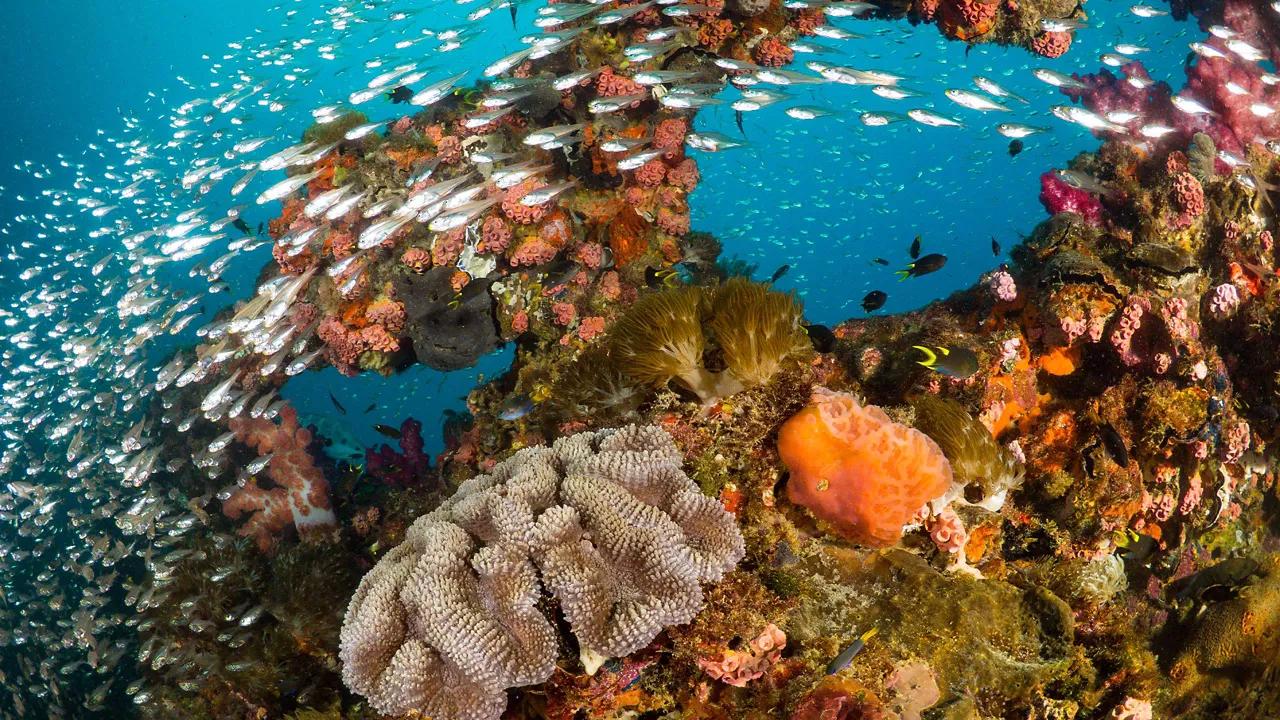
The PADI Open Water certification takes three to four days and qualifies you to dive to eighteen meters. What the certification does not tell you is that the first few open water dives are genuinely disorienting in ways that the pool sessions do not prepare you for.
Managing buoyancy in moving water is different from managing it in a calm pool. Equalizing your ears while also tracking your depth, your buddy, and your air supply requires more simultaneous attention than it sounds in the classroom. My first open water dive in Amed, Bali involved an extremely patient instructor and a version of me that was significantly less calm than I had anticipated being.
By the fourth dive something clicked. Buoyancy started feeling intuitive rather than requiring constant conscious correction. The fish became more interesting than the logistics. That transition is when diving actually becomes the experience people describe.
Doing the Advanced Open Water course immediately after the Open Water is worth the extra two days. Night diving specifically produces an experience that has no equivalent above the surface. Descending into warm dark water with a torch and watching the reef at night is strange and extraordinary in equal measure.
Liveaboard trips, where you sleep on the boat and do four or five dives daily, compress months of development into a week. The Maldives, the Red Sea around Marsa Alam, and the Coral Triangle around Raja Ampat in Indonesia are the locations where the underwater world is dense enough that every dive produces something unexpected.
Sea Kayaking Abel Tasman and the Specific Pain of a Paddle Blister
The Abel Tasman Coastal Track in New Zealand combines kayaking and walking through a national park on the northern tip of the South Island. The water is sheltered enough for beginners. The scenery involves golden sand beaches that appear around headlands without warning. Seals sit on rocks and watch you paddle past with the specific expression of an animal that knows it has made better life choices than you.
Guided trips through operators like Abel Tasman Kayaks handle the logistics of equipment, campsites, and route planning. Going guided on a first multi-day kayaking trip removes enough variables to make the experience genuinely enjoyable rather than stressful.
The thing nobody mentioned before my trip was paddle blisters. My hands were soft from office work. Two days of paddling produced blisters in locations I did not know blisters could form. Paddling gloves, which I thought were unnecessary equipment, turned out to be extremely necessary equipment.
Desert Experiences and the Specific Silence That Only Exists There
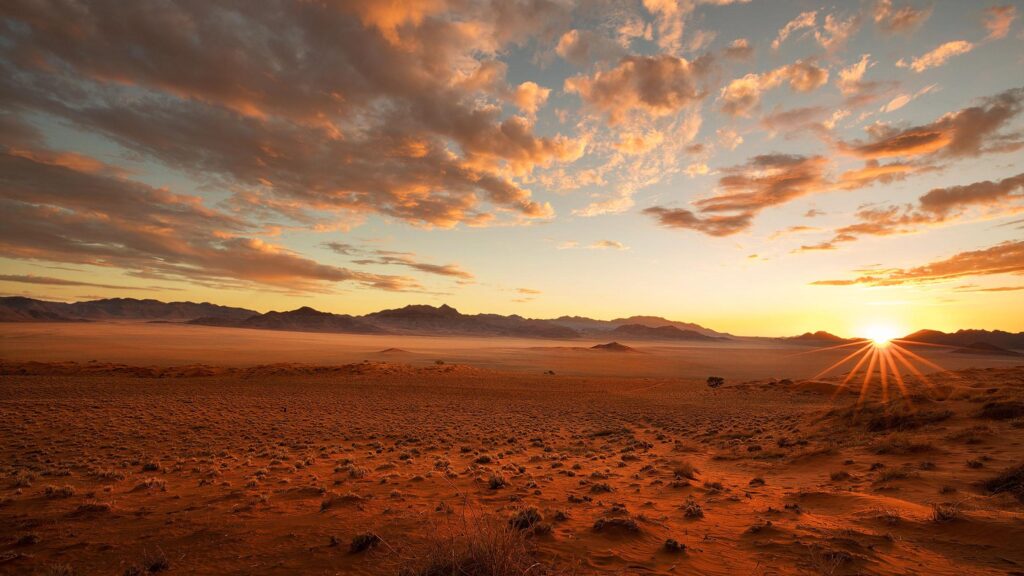
Deserts produce a quality of silence that is different from other environments. Mountain silence has wind. Forest silence has birds and leaves. Desert silence in the right conditions is something closer to actual absence of sound, and sitting inside it for the first time is genuinely disorienting if you have spent your whole life in places with constant ambient noise.
The Moroccan Sahara and a Night That Recalibrated My Understanding of Dark
A three-day camel trek into the dunes outside Merzouga in Morocco was not on any list I had made before a conversation with someone at a hostel in Marrakech who had just done it and could not stop talking about the sky.
The first day on the camel was more uncomfortable than I had imagined and I had imagined it being fairly uncomfortable. Camels have a specific rolling gait that uses muscles in unexpected places. By the time we reached the first camp my legs felt like they belonged to someone else.
Then the sun went down. Then the stars came out.
Growing up near a city, I had never seen the actual density of stars that exists above a place with no light pollution. The Milky Way is not a faint smear. It is a structure, thick and detailed, with visible depth if you lie on your back and look long enough. I stayed outside the tent for two hours because going inside felt like wasting something.
The operator I used was small and family-run, found through a guesthouse recommendation in Merzouga rather than a booking platform. Asking guesthouses for operator recommendations tends to produce better results than booking through Viator or GetYourGuide because local guesthouses know which operators treat both clients and animals well.
Wadi Rum in Jordan and the Problem With Going for Only One Day
Most people visit Wadi Rum as a day trip from Aqaba or on the way between Petra and the Red Sea. This is understandable logistically and almost completely misses what Wadi Rum is.
The landscape, red sandstone formations rising from a desert floor in shapes that have no equivalent anywhere I have been, reveals itself differently at different times of day. Early morning light does something to the color of the rock that midday does not. Late afternoon does something else again. Staying overnight means seeing all three, plus the night sky, which rivals anything in Morocco.
Bedouin camps range from genuinely simple to quite comfortable with proper beds and good food. Rum Stars camp is run by a local family and sits in a location far enough from the village that the silence at night is complete. The scramble up a sandstone formation before breakfast on the second morning, guided by someone who has done it several hundred times, produced a view I described badly to everyone who asked about the trip afterward and have stopped trying to describe since.
White Water and the Gap Between Grade Three and Grade Five
River grading exists on a scale from one to six and the difference between adjacent grades is not linear. Grade three is exciting and genuinely accessible to most people with basic fitness. Arriving at grade five without specific preparation is a different conversation entirely, the kind of water that makes you understand why people train for this rather than just showing up.
Rafting the Zambezi Below Victoria Falls
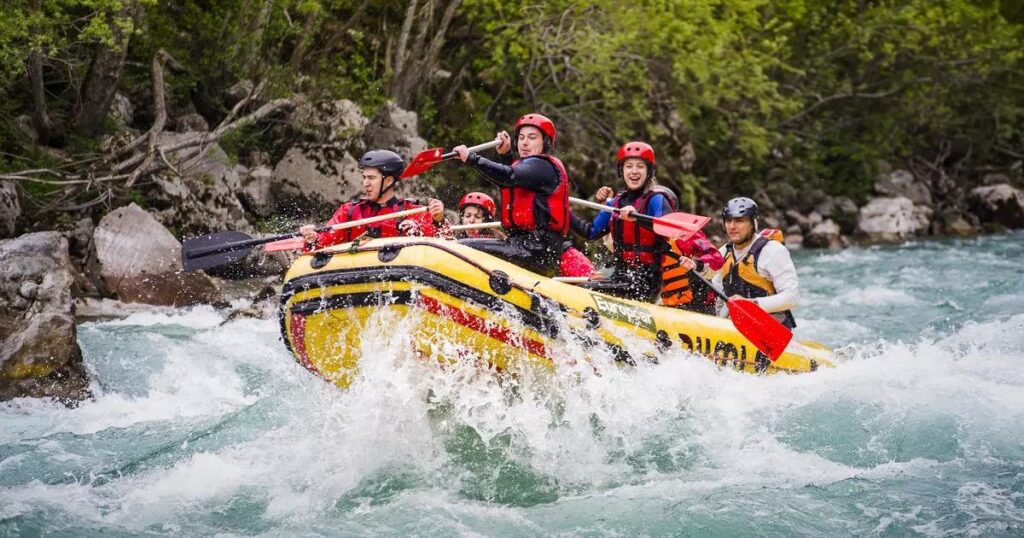
The Zambezi below Victoria Falls runs at grade five through most of its commercial rafting section. The rapids have names like Commercial Suicide and The Terminator, which are not trying to reassure you.
Swimming is not a risk on this section. Swimming is the experience. The guides are skilled at collecting people after rapids and the safety kayakers positioned throughout are fast and competent. Walk in expecting to swim rather than hoping not to and the whole day becomes considerably more enjoyable.
Shearwater Adventures has been operating on this section for decades and the safety record reflects genuine experience rather than just good marketing. The full day on the river involves hiking down to the put-in, which is steep enough to make the return hike at the end of the day memorable for different reasons than the rapids.
The Zambezi combines well with Victoria Falls itself, which deserves more than a quick look on the way to the rafting put-in. The spray during high water season is heavy enough to soak you completely within two minutes of arriving at the main viewpoint and the sound of that much water falling is physical rather than just auditory.
Multi-Day Colorado River Through the Grand Canyon
A full Grand Canyon river trip is fifteen to twenty-one days depending on the route and launch point. Private permit trips require entering the National Park Service lottery system well in advance. Commercial trips through outfitters like O.A.R.S. or Arizona River Runners are available without the lottery and include guides who handle the significant logistics of moving food, equipment, and people through 277 miles of canyon.
The canyon from the rim looks like a painting. From inside the canyon at river level, it stops looking like anything you have a reference for. The walls rise over a mile above you. The scale removes the sense of scale entirely. Standing in a side canyon while silence comes back after a rapid is finished and the water settles and the walls close in overhead is an experience that does not compress into a photograph or a description.
Lava Falls at mile 179 is the largest navigable rapid in North America by most measurements. Watching the guides scout it carefully before running it is both reassuring and not entirely reassuring simultaneously.
The Practical Reality of Preparing Without Becoming Obsessed With Preparing
Gear research is a trap. Not because gear does not matter but because the difference between adequate gear and optimal gear is much smaller than the hours people spend researching it. A pack that fits correctly matters. The exact weight of that pack matters much less than most gear forums suggest.
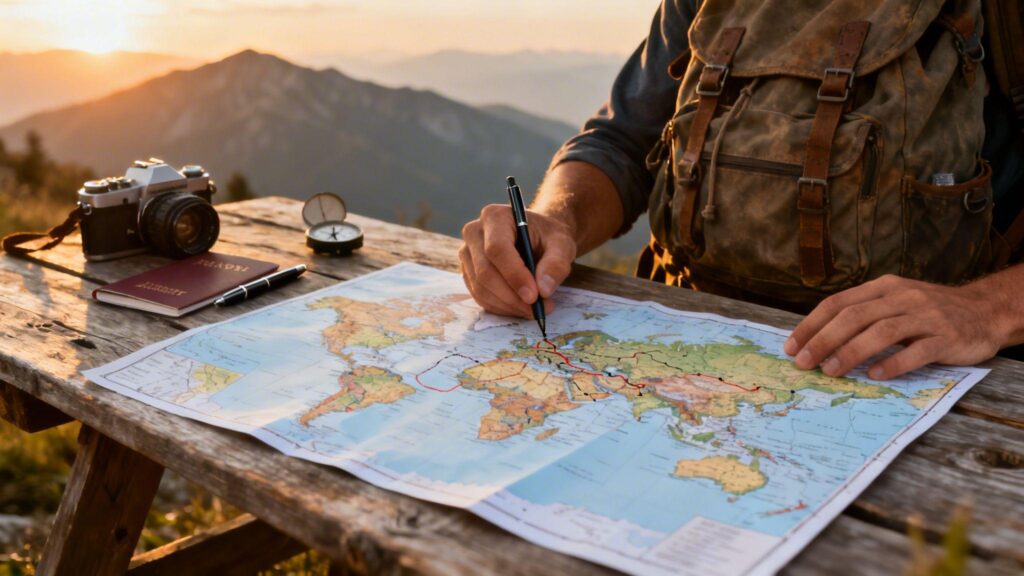
A few things genuinely matter and the rest is noise. Boots broken in before the trip, not during it. A first aid kit that includes blister treatment, because blisters end more trips than dramatic emergencies do. Offline maps downloaded before you leave cell coverage, since signal disappears exactly when you need it most. A personal locator beacon for remote routes where help is far away. Garmin inReach devices allow two-way satellite messaging and SOS capability and have contributed to real rescues in places where nothing else worked.
Telling Someone Your Plans Before You Leave
This is the habit that requires no equipment and costs nothing and that people consistently skip because it feels like admitting vulnerability.
Someone knowing your itinerary and your expected return date is the difference between a search beginning in hours and one beginning in days. Hours finds people. Days sometimes finds different things.
Leave the details with someone specific. Not a vague “I’m going hiking in the mountains.” The trailhead, the route, the expected return, the car you left in the carpark. Those details.
Why the Difficult Parts Are Not the Problem
Every trip I have described above involved something going wrong or being harder than expected. Blisters in the Dolomites. A headache at altitude in Nepal. Paddle blisters in Abel Tasman. Swimming multiple times in the Zambezi.
None of those things made the trips worse in memory. Most of them made the trips better because difficulty is the medium through which adventure produces its actual effects. The moments I think about years later are almost never the comfortable moments. They are the moments where something was genuinely hard and I kept going anyway, or the moment the effort produced something I had not anticipated.
My cousin still thinks the Scotland trip was stupid. He is not wrong that I spent four days wet on a ridge. He is missing what happened on day three when the clouds broke and the glen appeared.
Frequently Asked Questions About These Adventures
Is the Annapurna Circuit safe for first-time trekkers? Yes, with proper acclimatization and realistic fitness preparation. The tea house system means you never need camping experience or equipment. The altitude at Thorong La is serious and requires following the standard rule of slow ascent above three thousand meters. Go with a licensed guide if this is your first high-altitude experience.
What time of year is best for a Sahara desert trip? October through November and March through April offer the most manageable temperatures for most people. July and August reach heat levels that require experience and specific preparation. December and January are cool enough at night that proper sleeping gear is essential even though the days feel mild.
Do I need prior experience to try white water rafting? For grade three rapids, no prior experience is required and most operators provide full instruction before launch. Grade five water like the Zambezi requires nothing specific from you except willingness to swim and follow guide instructions immediately, but it is not recommended as a first rafting experience. Start at grade three, see how you respond, and move up from there.
How far in advance should I book a Dolomites rifugio? For July and August, three to four months minimum for the popular huts on Alta Via 1. Some of the most sought-after rifugios open their booking calendar in January for the full summer season and fill within days. March, June, and September are significantly easier to book on shorter notice.
Some things you cannot explain until someone has been somewhere similar. The only way to get there is to go.