
Standing on the Edge of a Volcano at Sunrise
Nobody warned me that the ground would be warm beneath my boots. Stranding at the rim of Mount Batur in Bali at 5 AM, watching the sky shift from black to deep orange while steam rose from the crater below — that was the moment I understood why people get addicted to adventure travel.
Before that trip, my idea of a bucket list was a vague list of countries I wanted to visit someday. After it, everything changed. The list became specific, intentional, and constantly growing. Not a fantasy wishlist — an actual plan.
Adventure travel is not just about adrenaline. Some of the most profound experiences on this list involve silence, slowness, and being completely present in a place that forces you to pay attention. A few involve real physical challenge. Some are accessible to almost anyone willing to book a flight and show up.
This list is built from real places that real travelers consistently describe as life-changing — with honest notes about what to expect, what to actually prepare for, and what the travel content online usually leaves out.
Africa — Where the Scale of Everything Is Different
Trekking to See Mountain Gorillas in Uganda or Rwanda
Bwindi Impenetrable Forest in Uganda and Volcanoes National Park in Rwanda are two of the only places on earth where you can sit a few meters from wild mountain gorillas in their natural habitat.
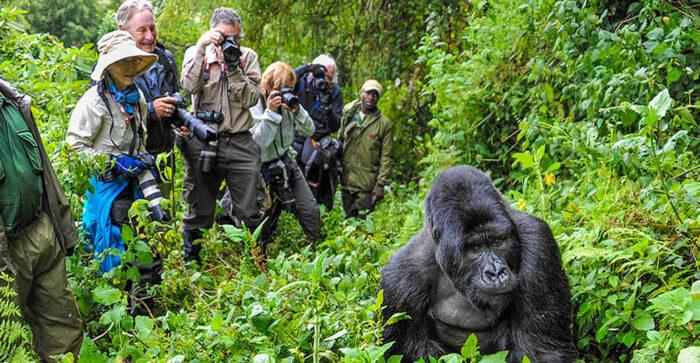
The hike to reach them ranges from forty-five minutes to eight hours depending on where the gorilla family has moved. Most people are not told this upfront. Pack water, wear long sleeves despite the heat, and bring trekking poles if your knees have any complaints.
The hour you spend with the gorilla family — that is the limit, to protect them — passes faster than any hour of your life. Seeing a silverback yawn, watching juveniles chase each other through the undergrowth, making brief eye contact with an animal that shares roughly ninety-eight percent of human DNA — nothing in wildlife television prepares you for it.
Permits cost around seven hundred dollars in Uganda and fifteen hundred in Rwanda as of recent years. Book months in advance through Uganda Wildlife Authority or Rwanda Development Board directly. Third-party booking sites exist but the official channels are straightforward and reliable.
Climbing Kilimanjaro Without Underestimating It
Mount Kilimanjaro in Tanzania is technically a non-technical climb — no ropes, no prior climbing experience required. This leads many people to underestimate it badly.
Altitude is the challenge. Summit night sits at 5,895 meters, and acute mountain sickness does not discriminate based on fitness level. The Lemosho route, typically eight days, gives the best acclimatization profile and the most stunning scenery. Rushing with a five-day route is the reason many people turn back before the summit.
Hiring local guides and porters is both required by law and genuinely the right thing to do. They are extraordinarily skilled and the logistical support they provide transforms the experience completely.
The Serengeti During the Great Migration
Timing a visit to the Serengeti during the Great Migration — roughly two million wildebeest and zebra moving in a continuous circuit across Tanzania and Kenya — is one of the most spectacular wildlife events on earth.
River crossings near the Mara River between July and October are the dramatic highlight, but the migration is present across the ecosystem throughout the year. Apps like Travel Africa and operators like Asilia Africa or andBeyond offer excellent logistics and timing guidance.
South America — Landscapes That Feel Like Other Planets
Hiking the Inca Trail to Machu Picchu
The classic four-day Inca Trail to Machu Picchu is genuinely special in a way that the easier alternatives — the train, the bus — are not. Arriving at the Sun Gate at dawn and seeing Machu Picchu emerge from mist below after days of walking through cloud forest and high passes is an arrival that means something.
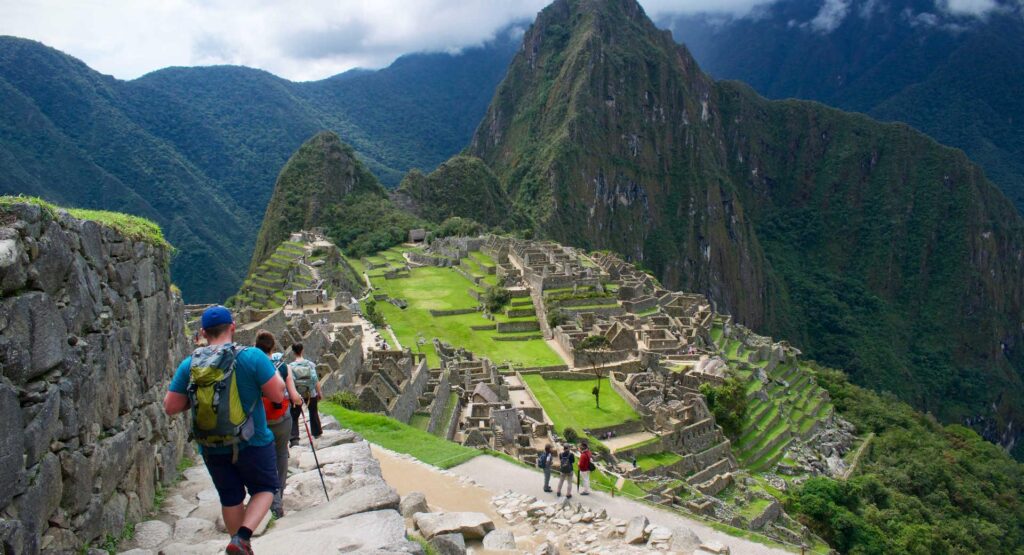
Permits sell out six months in advance. Booking through a licensed operator is required, and the quality varies significantly. Alpaca Expeditions and Llama Path are both consistently well-reviewed options. Altitude sickness is real at the high passes — arriving in Cusco two days early before the trail start and taking it slow on the first day in town makes a significant difference.
Patagonia — Torres del Paine and the W Trek
Southern Patagonia operates on its own schedule and does not particularly care about yours. Wind speeds can change from calm to genuinely dangerous within an hour. Trails that look straightforward on paper become demanding in actual conditions.
The W Trek in Torres del Paine National Park, Chile, takes four to five days and covers the main highlights — the towers themselves, the Grey Glacier, the Valle del Francés. Refugios (mountain huts) allow trekking without carrying a tent, though booking them many months ahead is essential because capacity is tightly controlled.
The light in Patagonia at golden hour is something photographers have been chasing for decades. Arriving with no expectations about the weather and plenty of flexibility in the schedule is the only sensible approach.
Kayaking the Amazon Basin
The Amazon is not one experience — it is an entire ecosystem of possible experiences. Staying in a jungle lodge near Iquitos in Peru or Leticia in Colombia and taking multi-day canoe expeditions through flooded forest is accessible and genuinely extraordinary.
Seeing pink river dolphins, caimans basking at dusk, macaws flying overhead at dawn — the biodiversity is overwhelming in the best possible way. Operators like Treehouse Lodge in Iquitos or the Amazon Jungle Trips platform help match travelers to the right level of immersion and comfort.
Asia — Ancient Landscapes and Extreme Terrain
Motorbiking the Himalayas on the Manali to Leh Highway
The Manali to Leh Highway in northern India is one of the highest motorable roads on earth, crossing passes above five thousand meters through some of the most dramatic mountain scenery imaginable. The road is open only between roughly June and September when snowmelt allows passage.
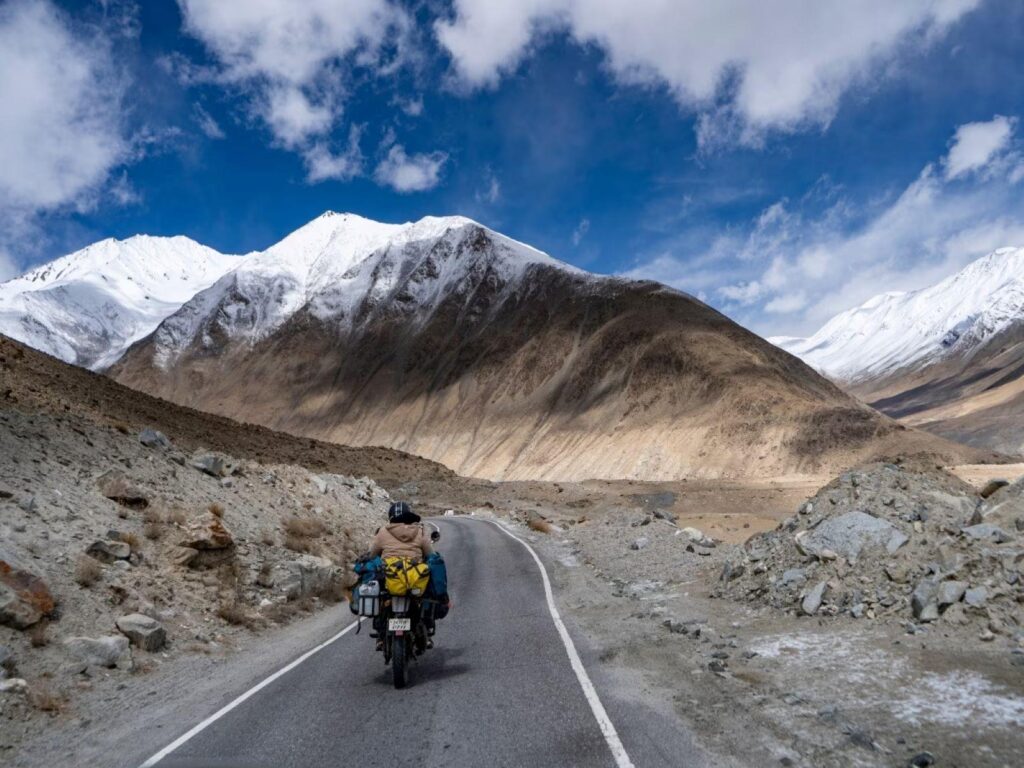
Renting an Enfield Bullet in Manali and riding it yourself is achievable with some motorcycle experience and a lot of caution. Hiring a driver for a shared jeep is also genuinely satisfying and less stressful for those who want to focus entirely on the landscape.
Altitude again — the same practical advice applies. Spend two nights in Manali before departure, drink water constantly, and do not push through headache or nausea.
Diving or Snorkeling in Raja Ampat, Indonesia
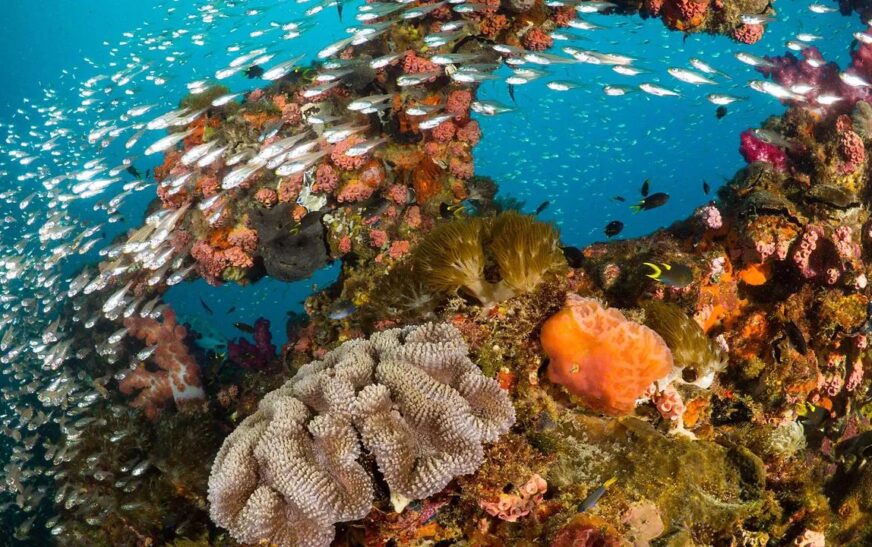
Raja Ampat in West Papua, Indonesia, consistently sits at the top of lists for marine biodiversity on earth. The coral health, fish density, and visibility in these waters is in a category of its own.
Liveaboard boats are the best way to reach the more remote sites. Operators like Papua Diving or Seven Seas liveaboard offer multi-day expeditions. Non-divers can snorkel many of the shallow reef areas and still encounter manta rays, reef sharks, and color density in the water that seems almost digital.
Getting there requires flights to Sorong and then a boat transfer. The logistics are real — but so is the reward.
Trekking in Bhutan’s Tiger’s Nest Monastery
Paro Taktsang — the Tiger’s Nest Monastery — is built into a cliffside at approximately three thousand meters above sea level in Bhutan, accessible only on foot. The two-to-three hour hike up offers views that get progressively more extraordinary.
Bhutan operates a sustainable tourism model with a daily visitor fee that includes accommodation, food, guide, and transportation. This keeps the country uncrowded and genuinely protected. Booking through a licensed Bhutanese tour operator is required for most visitors — Bhutan Swallowtail or Etho Metho Tours are well-regarded choices.
Europe — Adventure Beyond the Tourist Trail
Sea Kayaking the Norwegian Fjords
Paddling through Norwegian fjords at water level is a completely different experience from viewing them from a ferry deck. Waterfalls feed directly into the kayak’s path. Cliffs rise vertically for hundreds of meters on both sides. Villages accessible only by water appear around bends.
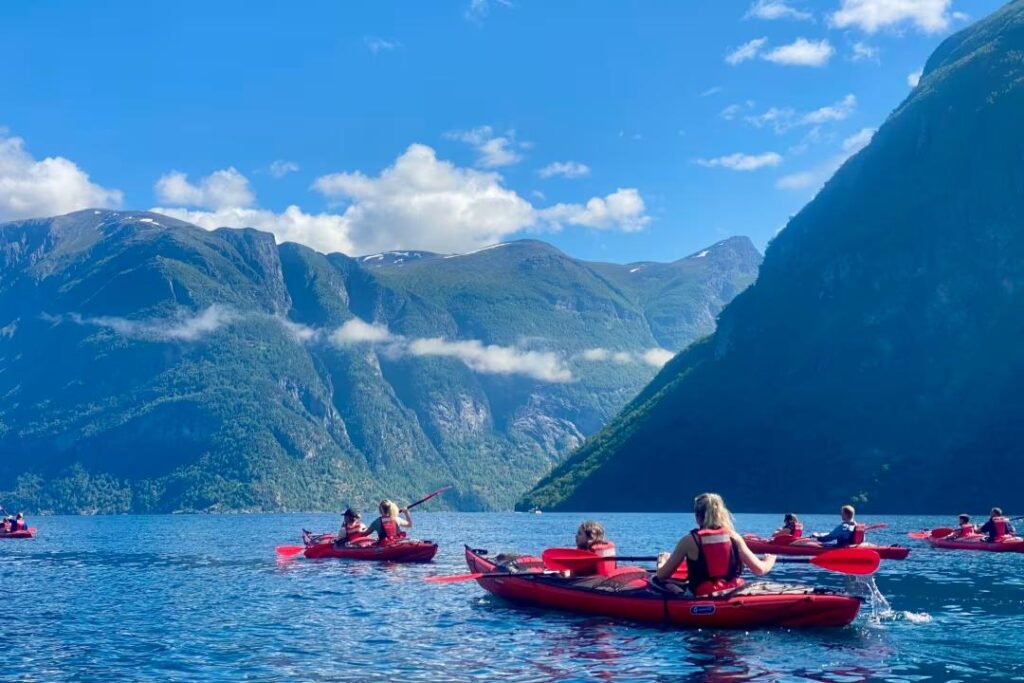
Guided multi-day kayaking tours in the Nærøyfjord or Hardangerfjord areas operate from May through September. No prior kayaking experience is required for most guided trips — these are stable sea kayaks on sheltered water in calm conditions. Operators like Fjord Kayak or Nordic Ventures provide full equipment and instruction.
Winter Camping Under the Northern Lights in Finnish Lapland
Rovaniemi and the broader Lapland region of Finland between November and March offers the best odds of seeing the aurora borealis while also being genuinely wild and cold in a way that feels earned.
Staying in a glass-roofed igloo — the Kakslauttanen Arctic Resort is the most famous option, though smaller competitors have emerged and often offer better value — allows aurora viewing without leaving bed. The more adventurous option is actual winter camping, which requires proper guidance and equipment but creates a memory that simply cannot be replicated by a warm hotel.
Husky sledding, reindeer farm visits, and ice fishing round out the experience for those wanting full immersion.
Via Ferrata in the Dolomites, Italy
Via ferrata — literally “iron path” — is a system of fixed cables, ladders, and rungs installed on cliff faces in the Dolomites, allowing people with no technical climbing skills to ascend routes that would otherwise require serious expertise.
The scenery in the Dolomites is spectacular regardless of activity. Adding the vertical dimension of via ferrata routes like the Paterno route near the Tre Cime di Lavaredo creates something visceral and unforgettable.
Hiring a local guide for a first via ferrata experience is strongly recommended. Renting a harness and via ferrata set from a local equipment shop is straightforward and affordable.
Oceania — Remote, Wild, and Completely Itself
Diving the Great Barrier Reef Before It Changes Further
The Great Barrier Reef in Queensland, Australia, is experiencing documented climate-related stress. Seeing it now, while significant healthy sections remain, is more urgent than the standard bucket list framing suggests.
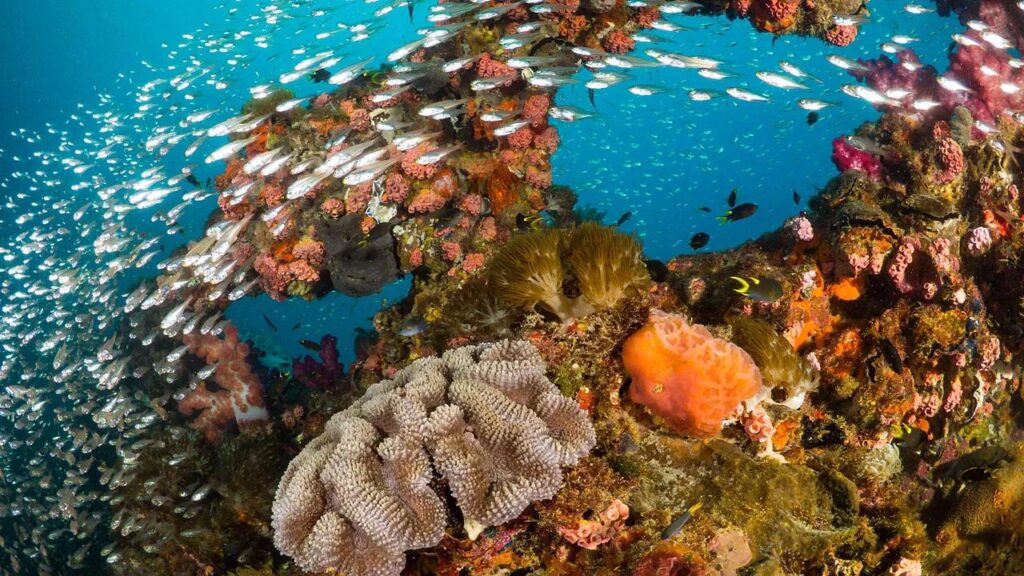
Liveaboard dive trips from Cairns allow access to the Coral Sea and outer reef sections with dramatically better coral health than the inshore areas accessible on day trips. Mike Ball Dive Expeditions and Spirit of Freedom are highly regarded operators for multi-day liveaboards.
For non-divers, snorkeling is genuinely spectacular in healthy reef areas. Sailaway IV from Port Douglas accesses the low-isles, one of the prettier accessible snorkeling areas.
Tramping New Zealand’s Milford Track
New Zealand’s Department of Conservation calls the Milford Track one of the finest walks in the world — a rare case of official marketing that is actually accurate. The four-day, fifty-three kilometer track through Fiordland National Park passes through glacier-carved valleys, across mountain passes, and ends at the extraordinary Milford Sound.
Guided walkers stay in comfortable lodges. Independent walkers stay in huts booked through the DOC booking system — these sell out within minutes when they open annually in June for the following season. Setting a calendar alert for the booking open date is not an overreaction.
Sandflies are aggressive and real — insect repellent is not optional.
North America — Wild and Accessible
Rafting the Grand Canyon
A multi-day rafting trip through the Grand Canyon in Arizona is among the most epic river journeys available anywhere. Motorized rafts cover the full two hundred and twenty-six miles in around seven days. Oar-powered trips take two weeks and offer deeper immersion.
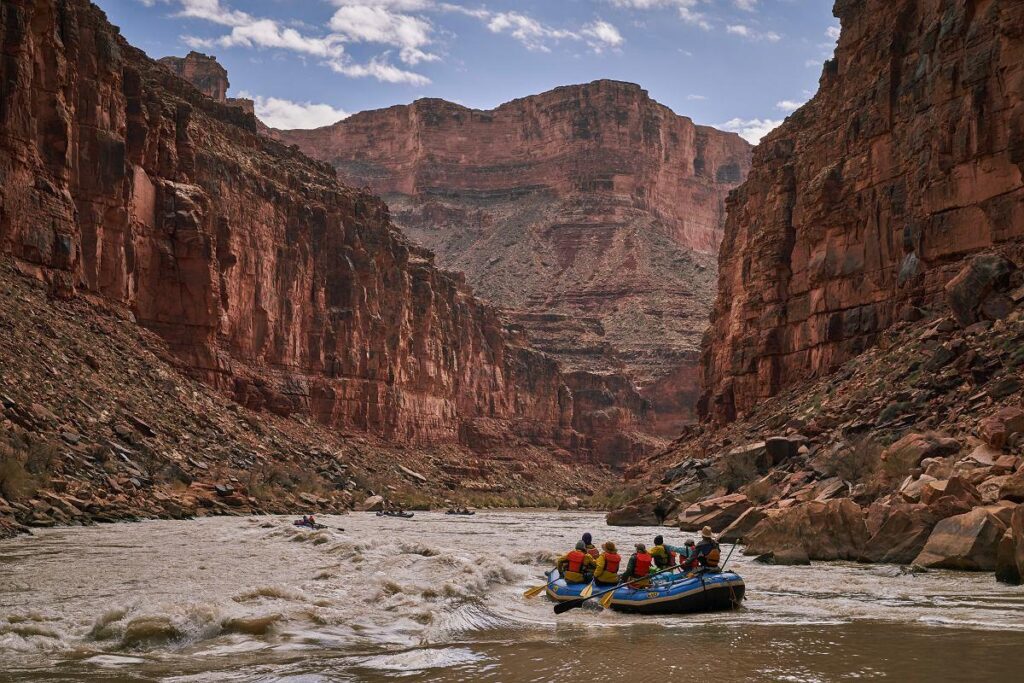
Private permits through the National Park Service are a lottery system with wait times that can reach years. Commercial operators like Arizona Raft Adventures or OARS offer guided trips that remove the permit complexity. Booking twelve to eighteen months ahead is necessary for peak season dates.
The canyon walls — layers of geological time rising overhead on both sides — create a sense of scale and antiquity that is genuinely difficult to describe.
Dog Sledding in the Yukon, Canada
Running a dog sled through boreal forest in the Yukon Territory in January or February is about as far removed from ordinary life as it is possible to get. The silence interrupted only by panting dogs and the hiss of runners on snow, temperatures that require real clothing respect, and the genuine working partnership with the dogs create an experience that stays with people for decades.
Sky High Wilderness Lodge and Muktuk Adventures both offer beginner-appropriate dog sledding experiences near Whitehorse. The aurora viewing from this latitude is also exceptional.
Planning Your Adventure Travel — Practical Notes
How to Prioritize When Everything Sounds Good
Reading a list like this and feeling overwhelmed is completely normal. Trying to do everything produces nothing. Picking two or three destinations that genuinely excite the most — not the ones that look best on social media, but the ones that produce real excitement when imagined in detail — and building a real plan around those is far more satisfying than vague intentions about all of them.
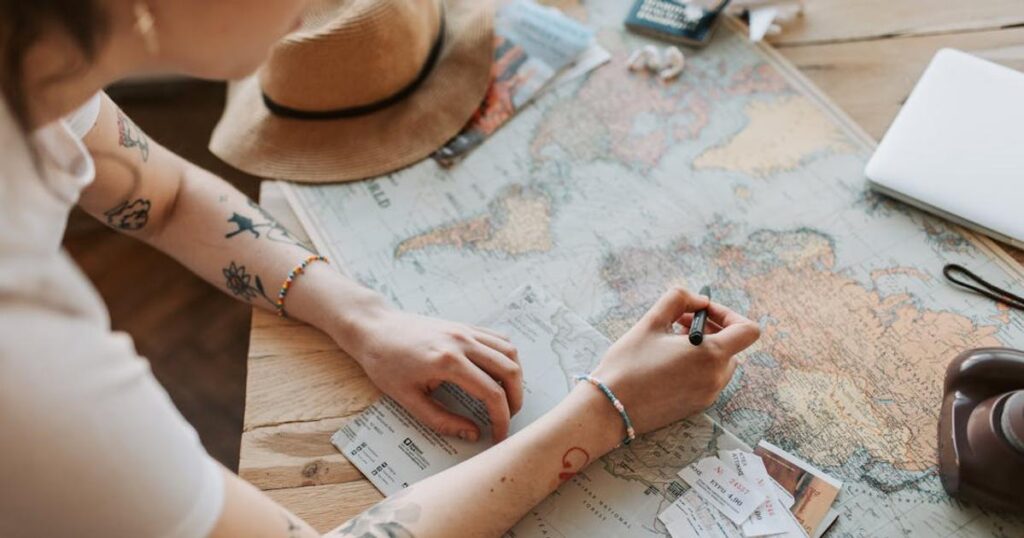
Apps like TripIt for itinerary organization, Google Flights for fare tracking, and iOverlander for remote travel logistics are genuinely useful tools for the planning phase.
Travel Insurance Is Not Optional for Adventure Travel
Medical evacuation from remote terrain can cost tens of thousands of dollars. World Nomads and Safety Wing both offer adventure-specific policies that cover activities like trekking, diving, and climbing that standard travel insurance excludes.
Reading what is and is not covered before purchasing — especially regarding altitude limits and activity definitions — takes twenty minutes and is entirely worth it.
Gear Worth Investing In
Merino wool base layers work in both cold and warm environments and resist odor remarkably well for multi-day trips. Smartwool and Icebreaker are reliable brands.
A good headlamp — Black Diamond is a consistent standard — is essential for any overnight adventure travel.
Hiking boots that have been genuinely broken in before the trip — not arrived-in-the-mail broken in — prevent the kind of blistering that ruins multi-day treks. One of the most common mistakes experienced travelers report is wearing new boots on a demanding trail.
Mistakes Adventure Travelers Keep Making
Underestimating acclimatization requirements for altitude is the most consistent error. No amount of fitness compensates for insufficient time adjusting to elevation. The people who skip acclimatization days are the ones turning back before the summit.
Booking the cheapest available guide or operator reliably produces a substandard experience and sometimes an unsafe one. Researching operators on forums like TripAdvisor, Lonely Planet’s Thorntree, or Reddit communities like r/solotravel takes time and is consistently worth it.
Over-scheduling the trip removes the space where the best experiences happen. Leaving unplanned time — afternoons with no agenda, a day buffer between major activities — allows for the spontaneous detour, the conversation with a local, the unexpected weather window that opens up a perfect summit day.
Packing for who they hope to be rather than who they actually are. Someone who has never hiked more than five kilometers booking a two-week wilderness expedition without building up to it progressively is setting up for struggle or failure. Building toward the big experiences through smaller ones first makes the big ones more achievable and more enjoyable.
The Unexpected Lesson
Planning all of this trips for years, reading every blog and watching every video, the thing that consistently surprises people once they actually go is how much better the real experience is than any version of it they imagined.
Photographs do not capture scale. Videos do not transmit cold or smell or the particular quality of light at altitude. No description conveys the specific feeling of a summit, a glacier, a river canyon, or a coral reef in person.
The bucket list is not really about the destinations. It is about the version of yourself that shows up in those places — more present, more alive, more aware of how large and strange and beautiful the world actually is.
Starting matters more than starting perfectly. Booking one thing on this list — just one — and committing to it fully is worth more than maintaining the most beautifully curated list that never gets acted on.
The volcano will wait. But not forever.