
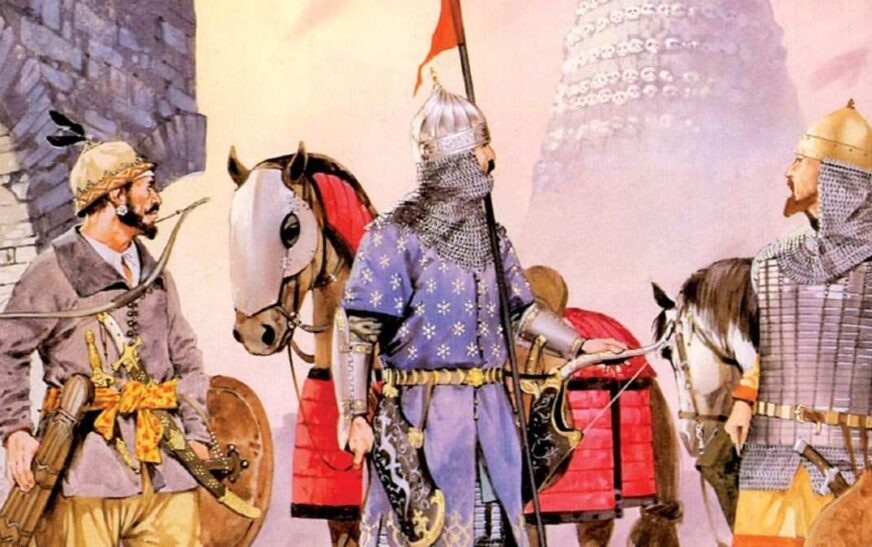
A Journey Through Muslim History
The first time I walked inside the Alhambra palace in Granada, Spain, something shifted in my understanding of history. Carved Arabic calligraphy ran along every arch. Water channels cut through marble floors to cool the air naturally. Geometric tile patterns covered walls with a mathematical precision that felt almost impossible for the 14th century.
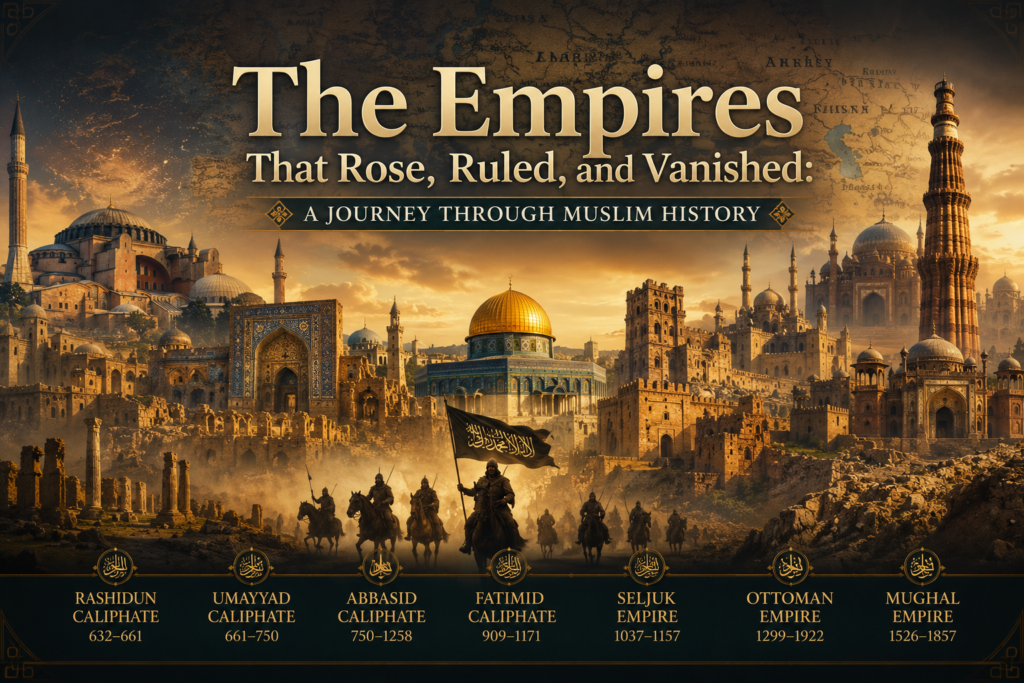
A guard mentioned casually that the last Muslim ruler of Granada wept when he surrendered these palace keys in 1492. His mother reportedly told him not to cry like a woman for what he failed to defend like a man.
That story stuck with me for years. Empires rise with explosive energy, reach heights that feel permanent, then collapse faster than anyone predicted. Muslim history is full of exactly these stories, and they deserve far more attention than most people give them.
Where Everything Began: Arabia in the Early 7th Century
Most people know Islam began with the Prophet Muhammad, peace be upon him, in the Arabian Peninsula around 610 CE. Fewer people appreciate how fast what followed transformed the entire known world.
Arabia at the time held no unified political power. Competing tribes dominated the landscape, mostly nomadic, caught between two exhausted superpowers: the Byzantine Empire to the west and the Sassanid Persian Empire to the east. Both had drained each other through decades of warfare.
Within decades of the Prophet’s death in 632 CE, Muslim armies defeated both empires and absorbed their territories. Historians still debate how this happened so quickly. The speed surprised everyone involved, including the Arabs themselves.
The Rashidun Caliphs governed this early period. Abu Bakr, Umar, Uthman, and Ali, may Allah be pleased with them all, served as the four successors. Their combined rule lasted only about thirty years, yet the legal, spiritual, and administrative foundations they built shaped everything that followed.
The Umayyad Caliphate: Building the First Great Muslim Empire
Power shifted to the Umayyad dynasty after the Rashidun period ended. Damascus became the new capital, and the Islamic world made its first real transition from a spiritually led community into a sophisticated imperial state.
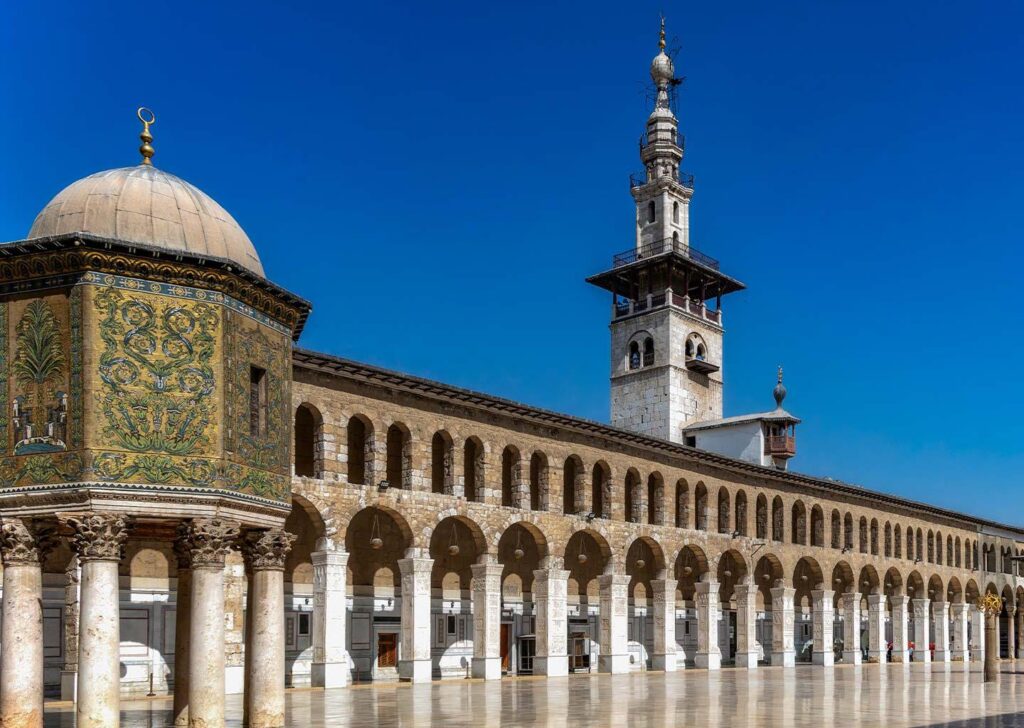
The Umayyads governed from 661 to 750 CE. At their peak, their empire stretched from the Iberian Peninsula in the west to the borders of modern India and Central Asia in the east. Roads connected the territory. Standardized currency circulated across it. Arabic became the official administrative language everywhere, from Spain to Persia.
For the first time, merchants and scholars could travel across this entire expanse and conduct business in one tongue.
The Dome of the Rock in Jerusalem, completed in 691 CE, stands among their greatest architectural achievements. Builders finished it while many European cities still lacked stone construction. Visit it today and the geometric precision still commands attention after thirteen centuries.
The Fatal Flaw That Brought the Umayyads Down
The Umayyads never solved one fundamental problem. Non-Arab Muslims, particularly Persians and others who converted sincerely, faced treatment as second-class citizens despite their faith. Resentment built slowly, then exploded.
The Abbasid movement drew heavily on Persian support and overthrew the Umayyads in 750 CE. Abbasid forces killed most of the Umayyad family. One survivor escaped: Abd al-Rahman I fled across North Africa and established an independent emirate in Spain. The Umayyad name continued there for another two and a half centuries.
The Abbasid Golden Age: Baghdad at the Center of the World
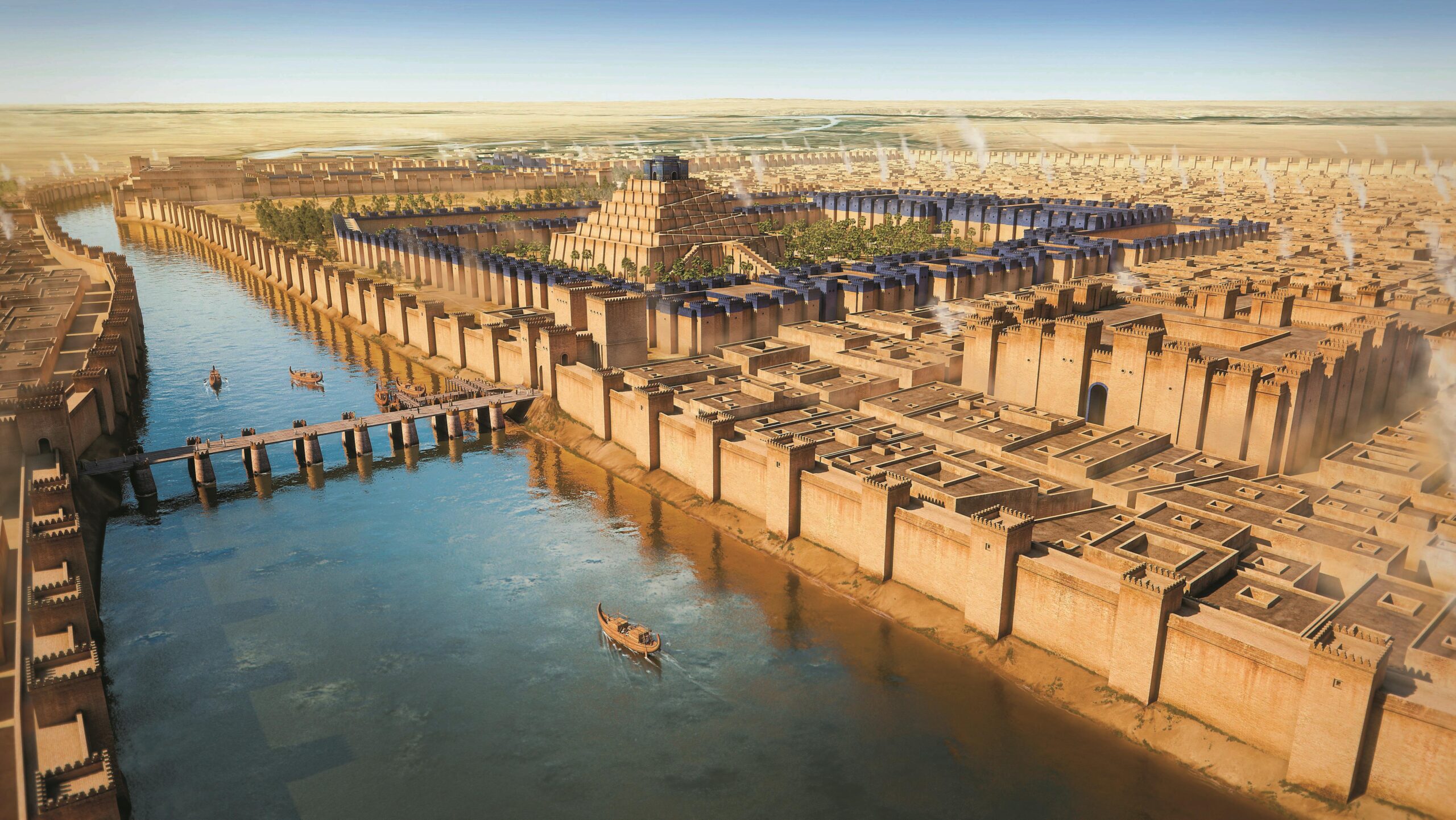
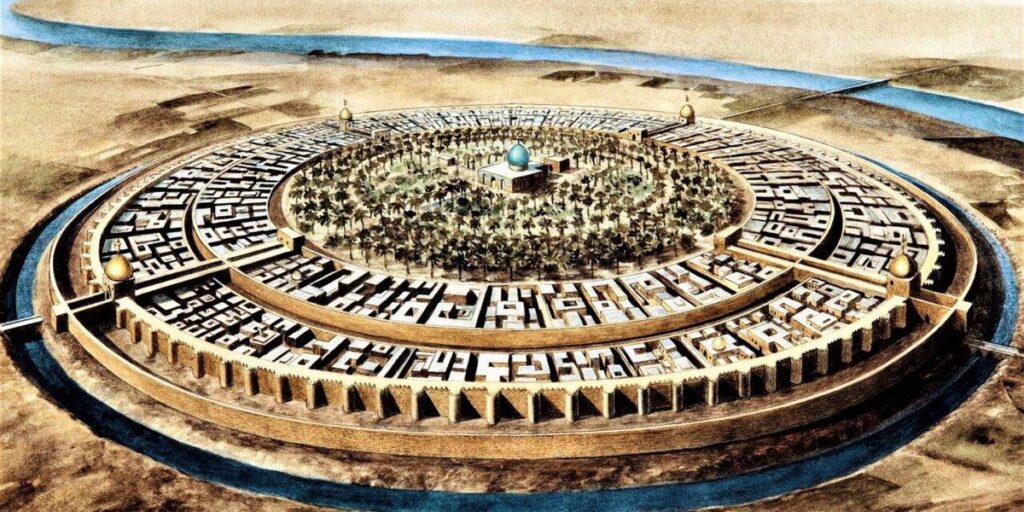
The Abbasids moved their capital from Damascus to a brand-new city. Baghdad, founded in 762 CE, announced a fundamental shift in Islamic civilization’s character.
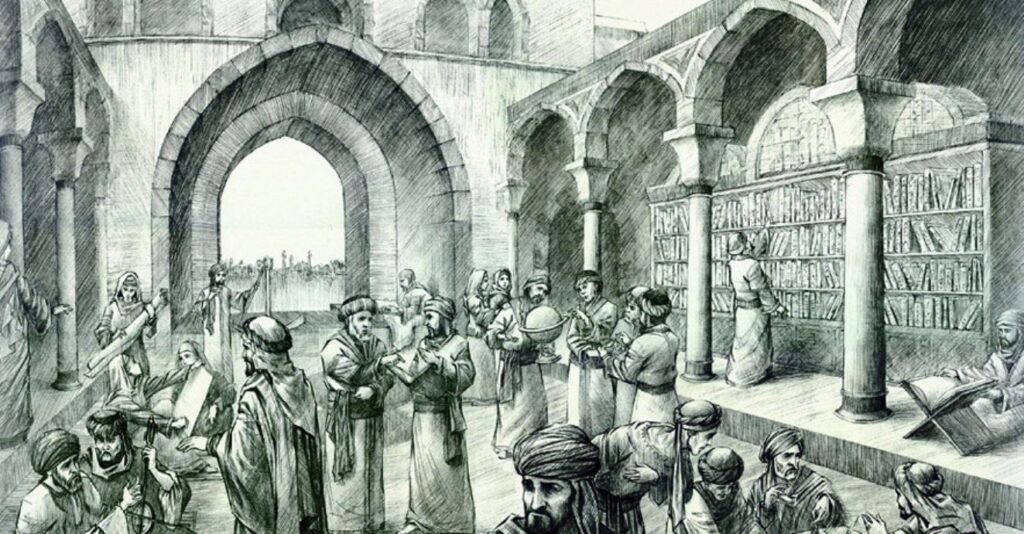
Persian administrative traditions merged with Arab Islamic identity. Scholars from every background received invitations to contribute. The House of Wisdom in Baghdad became the greatest intellectual center of the medieval world. Translators rendered Greek philosophical texts into Arabic. Mathematicians developed algebra. Astronomers mapped stars with accuracy that European scholars would not match for centuries.
The word “algebra” derives from the Arabic “al-jabr,” taken from a text by mathematician al-Khwarizmi. The word “algorithm” comes from his name directly. Medical texts by Ibn Sina, whom Europeans called Avicenna, still appeared in European university curricula in the 1700s.
People often describe the medieval period as a Dark Age. That label describes Western Europe specifically. The Islamic world during those same centuries performed advanced surgery, maintained libraries with hundreds of thousands of books, and debated philosophy and astronomy at levels of sophistication found nowhere else at the time.
Life During the Abbasid Peak
Harun al-Rashid, who ruled from 786 to 809 CE, presided over the most celebrated era. His court in Baghdad inspired many stories collected in One Thousand and One Nights, tales that shaped global storytelling traditions for over a thousand years.
Harun al-Rashid corresponded with Charlemagne as an equal. Baghdad under his rule ranked among the largest and wealthiest cities on earth. Tax revenues flowing into the caliphate reached staggering sums. The bureaucracy operated with organized ministries and documented processes that surpassed most contemporary governments anywhere.
The Fracture: One Caliphate Becomes Many
Nothing holds together indefinitely. The Abbasid caliphate began breaking apart from the 9th century onward. Provincial governors who accumulated power started ruling independently, offering only symbolic acknowledgment of Baghdad’s spiritual authority.
The Fatimids rose across North Africa and conquered Egypt, founding Cairo in 969 CE and establishing a rival Shia caliphate. The Buyids, a Persian Shia dynasty, physically controlled Baghdad for over a century while the Abbasid caliph retained a ceremonial title with no real authority. The Umayyads in Spain declared their own separate caliphate entirely.
By the 10th and 11th centuries, the Islamic world comprised competing sultanates, emirates, and dynasties rather than a single unified empire.
Historians sometimes frame this fragmentation as pure decline. Looking more carefully reveals something closer to a flowering. Regional centers like Cordoba, Cairo, Bukhara, and Samarkand each developed distinctive intellectual and artistic traditions. Competition between courts drove patronage of scholars and artists. Some of the most important works in Islamic civilization emerged during this supposedly fragmented period.
The Seljuk Turks: New Power Arrives from Central Asia
Central Asian Turkic peoples entered the Islamic world gradually as soldiers and converts over many generations. The Seljuks formalized their power most dramatically among these groups. Entering Baghdad in 1055 after defeating the Buyids, they became the dominant military force across the Middle East.
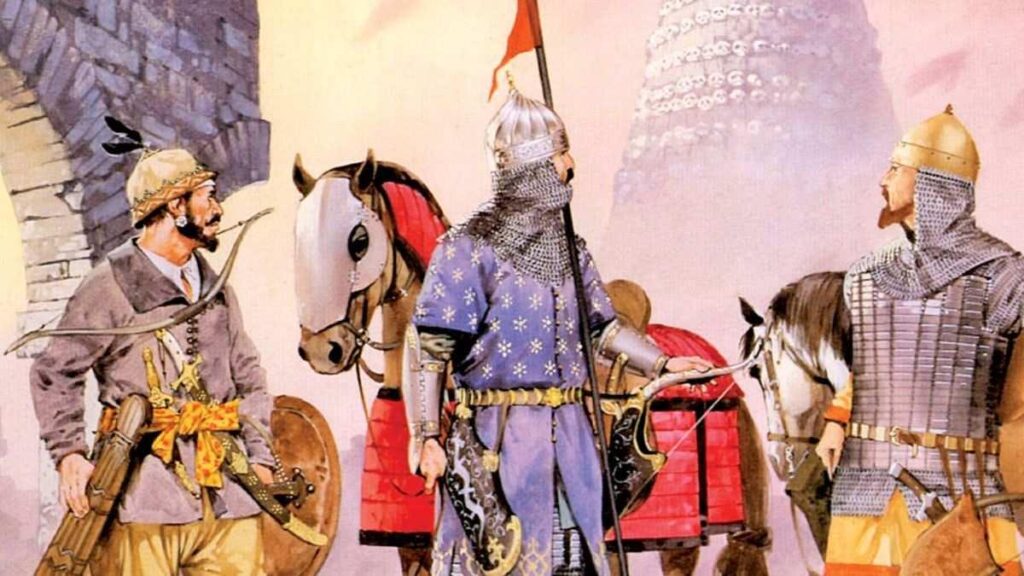
The Seljuks introduced the title of Sultan, separate from Caliph. This distinction between military-political authority and religious authority shaped Islamic governance for centuries afterward.
Their clash with the Byzantine Empire at the Battle of Manzikert in 1071 opened Anatolia, modern Turkey, to Turkish settlement for the first time. That process, unfolding over generations, eventually produced the Ottoman Empire, one of the most consequential states in world history.
The Seljuks also built the madrasa system, formal schools attached to mosques that standardized Islamic education across their territory. Many of these institutions lasted for centuries and shaped how Islamic knowledge passed between generations.
Al-Andalus: Muslim Civilization Planted in Europe
The Muslim presence in the Iberian Peninsula deserves careful attention because popular understanding gets it wrong regularly.
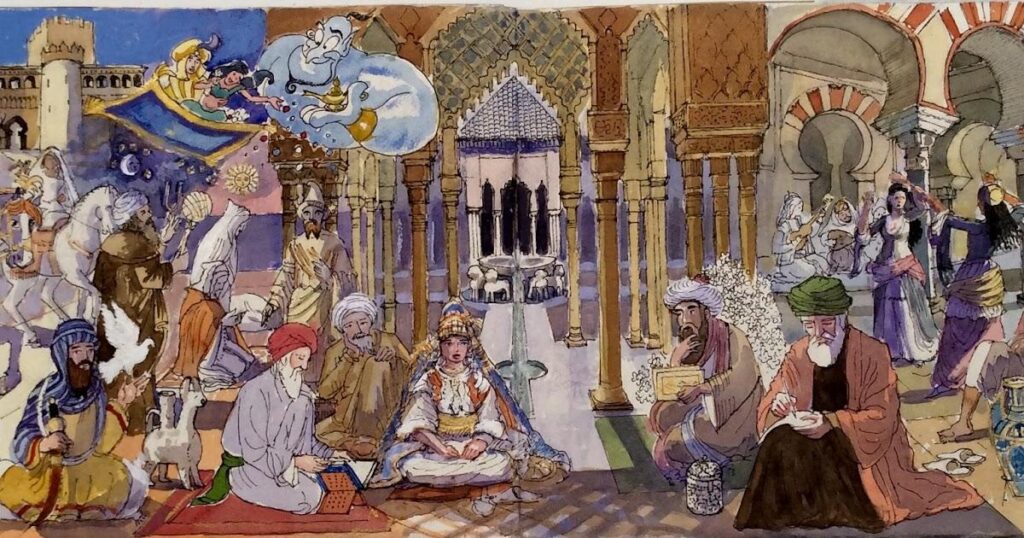
Muslim forces entered Spain in 711 CE and controlled most of the peninsula within a few years. What followed over the next several centuries was not a uniform religious occupation. Complex, often cosmopolitan society developed, where Muslims, Christians, and Jews lived in proximity, sometimes genuinely collaborating and sometimes in tension, producing cultural synthesis that influenced art, architecture, philosophy, and science across Europe.
Cordoba at its 10th-century peak held a population of perhaps half a million people, making it one of Europe’s largest cities. Paved and lit streets ran through the city. Public baths served residents. A library held hundreds of thousands of volumes at a time when most European monasteries considered a few hundred books an exceptional collection.
European scholars specifically traveled to Andalusia to access Arabic translations of Greek texts unavailable anywhere in Latin-speaking Europe. The works of Aristotle reached medieval European universities largely through Arabic translations produced in Islamic Spain.
How Al-Andalus Slowly Disappeared
The Christian Reconquista pushed Muslim territory steadily southward from the 11th century onward. Toledo fell in 1085. Cordoba followed in 1236. Seville surrendered in 1248. Only the Emirate of Granada held on, protected by mountain terrain in southern Spain.
Granada fell in January 1492. Columbus sailed westward under Spanish sponsorship that same year, partially funded by wealth flowing from the fall of the last Muslim kingdom in Europe. That timing tells you something significant about how power and resources redistributed at that historical moment.
The Mongol Catastrophe: History’s Most Devastating Reset
No honest account of Muslim history skips the Mongol invasions of the 13th century. Their destruction reached levels that remain difficult to comprehend fully.
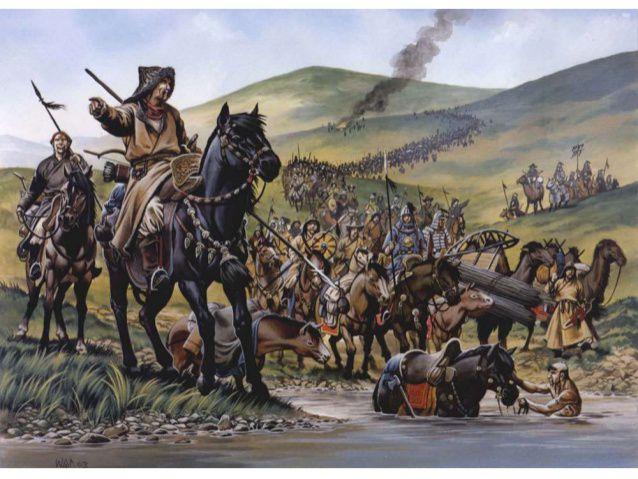
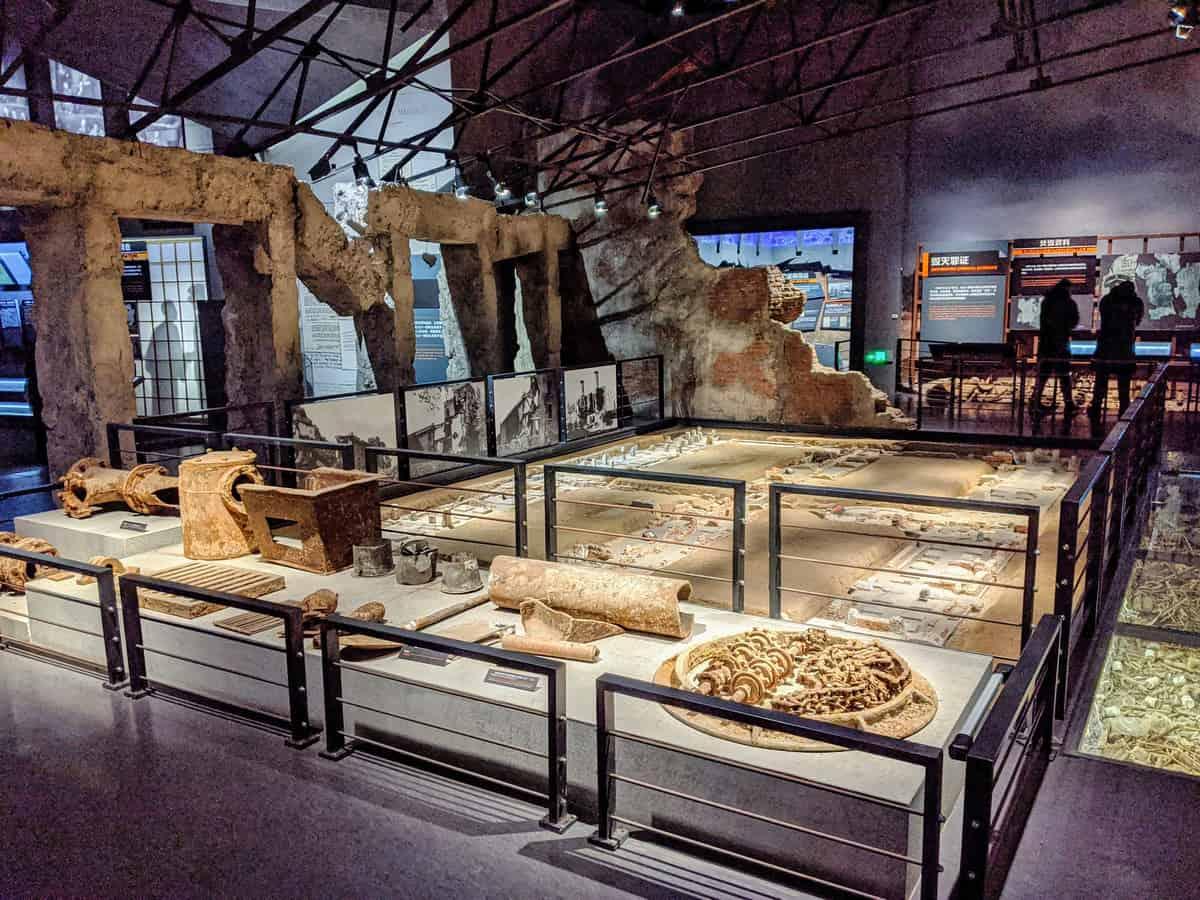
Genghis Khan’s successors swept into Central Asia and Persia from the 1220s onward. Cities that had functioned as centers of Islamic learning for generations ceased to exist. Bukhara, Samarkand, and Nishapur, places with libraries, hospitals, and populations in the hundreds of thousands, became rubble. Mongol forces deliberately destroyed the irrigation systems of Persia and Mesopotamia, systems that had supported agriculture for millennia, crippling the region’s food production for generations.
The fall of Baghdad in 1258 under Hulagu Khan stands as the symbolic catastrophe of this period. His forces executed the Abbasid caliph. Soldiers destroyed the House of Wisdom. Contemporary witnesses, both Muslim and non-Muslim, described the Tigris River running black with ink from books thrown into it.
What happened next genuinely surprises people encountering this history for the first time. The Mongols who settled in Muslim territories converted to Islam within a generation or two. The Il-Khanate ruling Persia became Muslim. The Golden Horde controlling Central Asia became Muslim. Conquerors adopted the religion of the people they conquered.
Three Empires That Ruled the World Simultaneously
By the 16th century, three major Muslim empires dominated much of the known world at the same time. Historians call them the Gunpowder Empires because firearms technology powered their military success.
The Ottoman Empire: Six Centuries of Governance
Rising from a small principality in northwestern Anatolia, the Ottomans built the longest-lasting major empire in Muslim history. Sultan Mehmed II conquered Constantinople in 1453, converting the great Byzantine capital into Istanbul and announcing the Ottomans as a genuine world power.
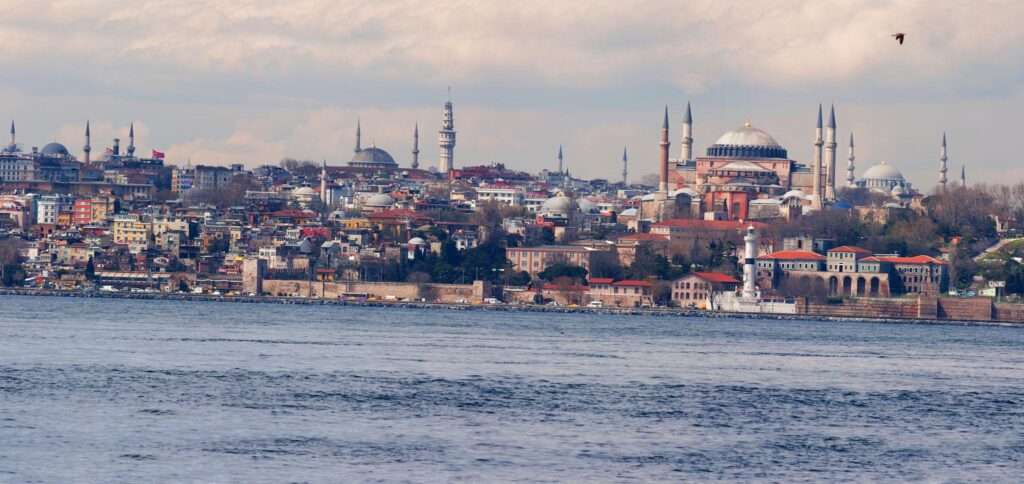
Ottoman territory at its peak covered southeastern Europe, Anatolia, the Arab Middle East, North Africa, and parts of the Horn of Africa. The Hagia Sophia became a mosque. Istanbul grew into one of the great cultural centers of the world.
Ottoman governance lasted, in various forms, until 1922. Six hundred years of continuous political existence represents a record very few entities in human history can match.
The Safavid Empire: Persia Transformed
The Safavids ruled Persia from 1501 onward and established Twelver Shia Islam as the official state religion of Iran. That decision continues shaping the region’s religious landscape today.
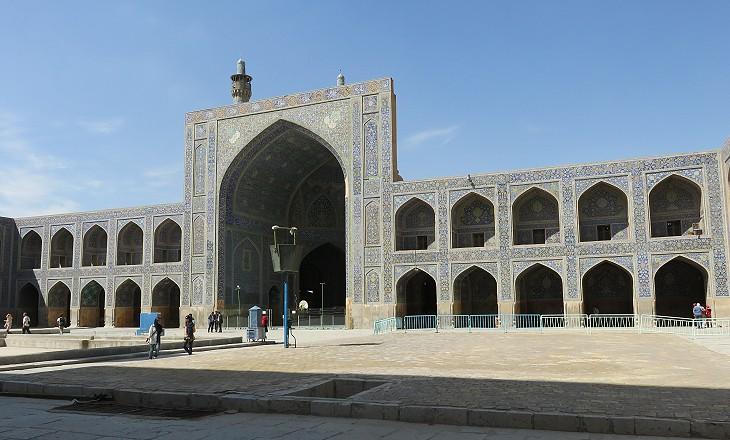
Isfahan under Shah Abbas I became one of the most beautiful cities anywhere in the world. The great mosques and public squares his architects designed now hold UNESCO World Heritage status. Visit Isfahan today and the visual impact still lands powerfully.
The Safavid-Ottoman rivalry combined political competition with Sunni-Shia religious tension. That conflict shaped the entire Middle East for centuries, and its echoes remain audible in current regional dynamics.
The Mughal Empire: Wealth and Beauty in South Asia
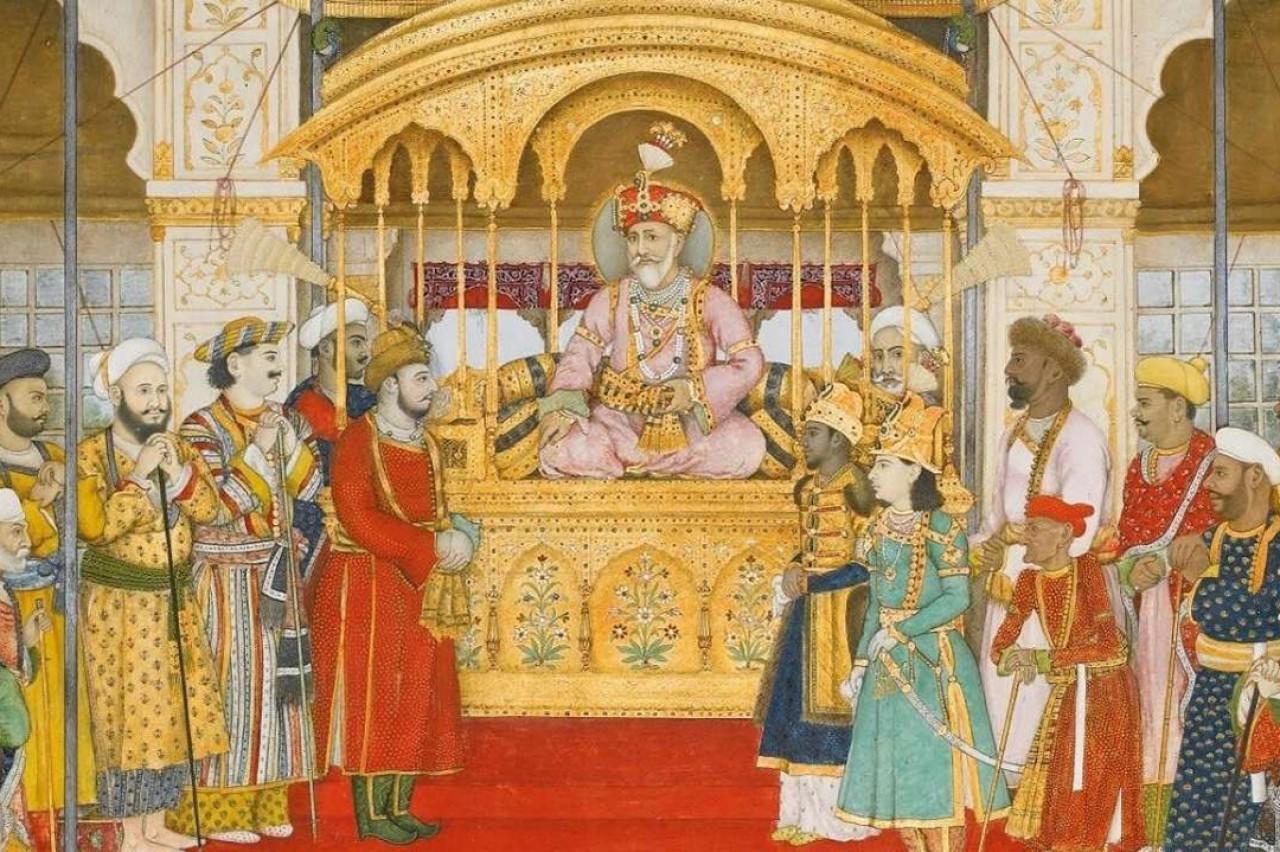
The Mughals governed most of the Indian subcontinent from 1526 until the British formalized their own authority in the 19th century. At their peak, they ruled one of the most populous and wealthy territories on earth.
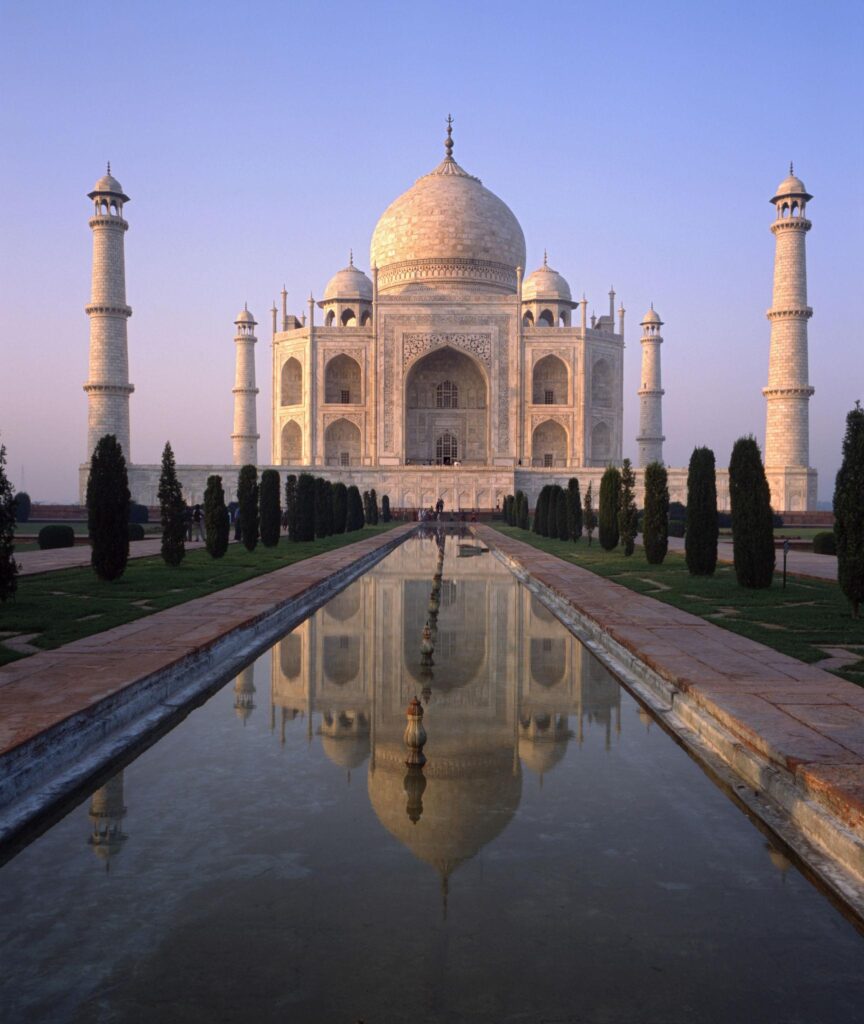
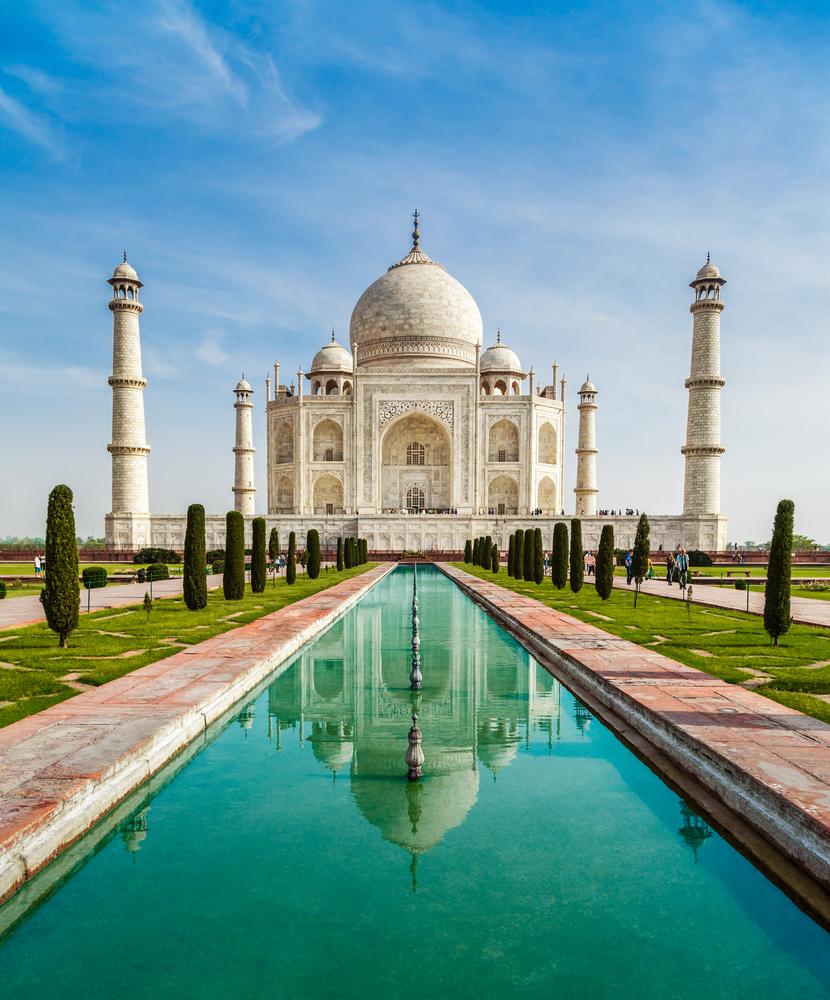
The Taj Mahal, built by Emperor Shah Jahan as a tomb for his wife Mumtaz Mahal, ranks among the most recognized structures humans ever built. Less famous but equally significant was the administrative sophistication Akbar the Great developed, creating a multi-religious governing framework designed to accommodate the enormous diversity of his population.
Mughal miniature painting, architectural traditions, Persian and Urdu poetry, distinctive cuisine, and clothing styles all left lasting marks on South Asian culture. Anyone spending time in India or Pakistan today encounters these influences constantly.
What These Civilizations Actually Left Behind
Tracing what survived the collapse of these empires reveals something important about how civilization actually works.
Arabic script adapted to Persian, Turkish, Urdu, and dozens of other languages. Mathematical concepts from the Abbasid Golden Age became foundations of modern science and engineering globally. Architectural techniques and aesthetic principles from Islamic civilizations influenced buildings across Europe, Asia, and Africa for centuries. Trade networks that Muslim rulers established shaped the movement of goods and ideas long after those rulers disappeared.
The Ottoman millet system allowed non-Muslim communities to govern themselves by their own religious laws in personal matters. Political theorists and legal scholars still reference this framework in discussions of minority rights and communal autonomy.
Misconceptions That Distort This History
Several things get misunderstood consistently when people discuss Muslim history.
Muslim history is not a single unified story. Arabic, Persian, Turkish, Berber, South Asian, and West African civilizations all contributed to it, each distinctly. Treating this history as monolithic misses the enormous internal diversity that actually characterized it.
The relationship between science and religion in Islamic history followed no pattern of conflict. Scholars of the Golden Age viewed studying the natural world as compatible with, even encouraged by, their faith. Al-Biruni, Ibn al-Haytham, and Ibn Rushd saw no contradiction between rigorous intellectual inquiry and deep religious commitment.
The decline of Muslim empires did not result primarily from Islam itself. Political fragmentation, economic pressure, military competition with rising powers, and shifting trade routes all contributed. These are the same factors that ended every major empire throughout history.
How to Explore This History More Deeply
Genuine curiosity about this topic has excellent resources to follow.
Hugh Kennedy’s book “The Great Arab Conquests” offers one of the most readable academic accounts of the early Islamic expansion. Jim Al-Khalili’s “The House of Wisdom” covers the Golden Age brilliantly for general readers. Maria Rosa Menocal’s “The Ornament of the World” examines al-Andalus with both scholarly depth and genuine literary elegance.
The Metropolitan Museum of Art in New York maintains one of the finest Islamic art collections in the world, with a significant portion browsable online through their website. The Aga Khan Museum in Toronto and the Museum of Islamic Art in Doha both reward visits for anyone able to travel.
Bettany Hughes presented a documentary called “When the Moors Ruled in Europe” that provides an accessible visual entry point. University historians now share lectures openly on YouTube, covering specific dynasties and periods in considerable depth for free.
What Stays With You After Learning This History
Reading about cities that functioned as libraries and hospitals and centers of lively debate before armies destroyed them produces a feeling that is hard to name precisely. Grief for lost human potential comes close. Genuine awe at what people built with the tools available to them comes even closer.
These empires rose because specific combinations of religious energy, administrative innovation, military strength, and openness to knowledge from multiple sources came together at the right moments. They fell when those combinations broke down, when openness closed, when political structures calcified, when external pressure found internal weakness to exploit.
What remains most powerfully, at least for me after years of reading this history, is not the dates of battles or the names of rulers. The realization that lands many people consider peripheral actually sat at the center of human civilization for centuries changes how you read nearly everything that came after. Learning their story does not just fill a gap. It rewrites the whole picture.