
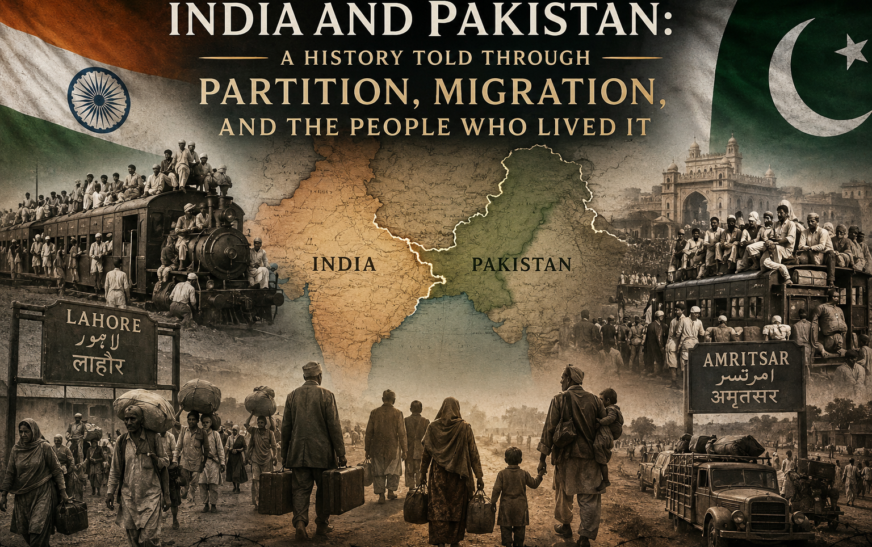
My grandfather never talked much about 1947. He grew up in a city that is now in Pakistan. He crossed into India as a teenager with his family, carrying whatever fit into two trunks. The one detail he repeated more than any other was not about violence or politics. He talked about his neighbor, a Sikh family who shared their courtyard, and how his mother cried saying goodbye to a woman she had known her entire life.
That single memory taught me more about Partition than any textbook chapter ever did. Two countries were born that year. Millions of individual relationships also got rearranged overnight, many of them never repaired.
I heard fragments like this growing up, passed down from older relatives on both sides of my extended family. Piecing those fragments together over the years sent me down a long path. I wanted to actually understand what happened, how it happened, and how two nations sharing so much history ended up walking such different roads afterward.
A Shared History Before the Divide
India and Pakistan were not always separate countries. Before 1947, the entire region existed as British India. This single territory under colonial rule included what is now India, Pakistan, and Bangladesh.
People across this region shared languages, food traditions, music, and centuries of intermixed history long before any border existed. Punjabi culture stretched across what later became two countries. Urdu and Hindi share so much grammatical structure that speakers can often understand each other easily. That linguistic closeness still surprises people who assume the two languages are entirely separate.
Cities like Lahore, Delhi, and Amritsar functioned as connected hubs of trade, scholarship, and culture. Families moved between them for generations. They built businesses and relationships that crossed what we now think of as a hard international boundary.
This shared past matters because it explains something important. Partition felt less like the creation of a foreign border and more like a deep cut through something that had been whole.
How Partition Actually Happened
The British had governed India for nearly two centuries by the time independence became inevitable after World War II. Managing the colony had grown too costly and politically unsustainable. Independence movements gained serious momentum throughout the 1930s and 1940s.
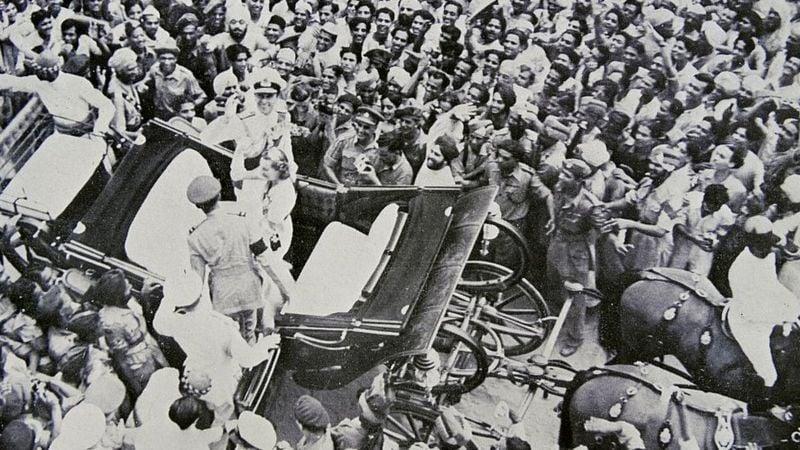
The path to independence became complicated by a fundamental disagreement. People could not agree on what kind of country, or countries, should emerge. The Indian National Congress, led by figures like Jawaharlal Nehru and Mahatma Gandhi, generally favored a unified India. The All-India Muslim League, led by Muhammad Ali Jinnah, argued that Muslims needed a separate homeland. They wanted protection for their political and religious interests within a Hindu-majority subcontinent.
Negotiations dragged through the mid-1940s without resolution. The British government wanted to exit quickly and faced pressure at home. Officials eventually accepted partition as the path forward rather than risk prolonged conflict trying to hold a unified state together.
Cyril Radcliffe, a British lawyer with no prior experience in the region, received the task of drawing the actual border lines in just five weeks. He had never visited India before this assignment. He worked instead from maps and population data in a closed room in Delhi. The boundary commission he led announced the final border on August 17, 1947, just two days after independence had already been declared.
That timeline alone explains a great deal about what followed. Millions of people did not know which country they would wake up in until after the decision had already been made.
The Human Scale of Migration
What followed the official partition became one of the largest mass migrations in recorded history. Estimates suggest between 10 and 20 million people crossed the new borders in both directions within months. Hindus and Sikhs moved toward India. Muslims moved toward Pakistan.
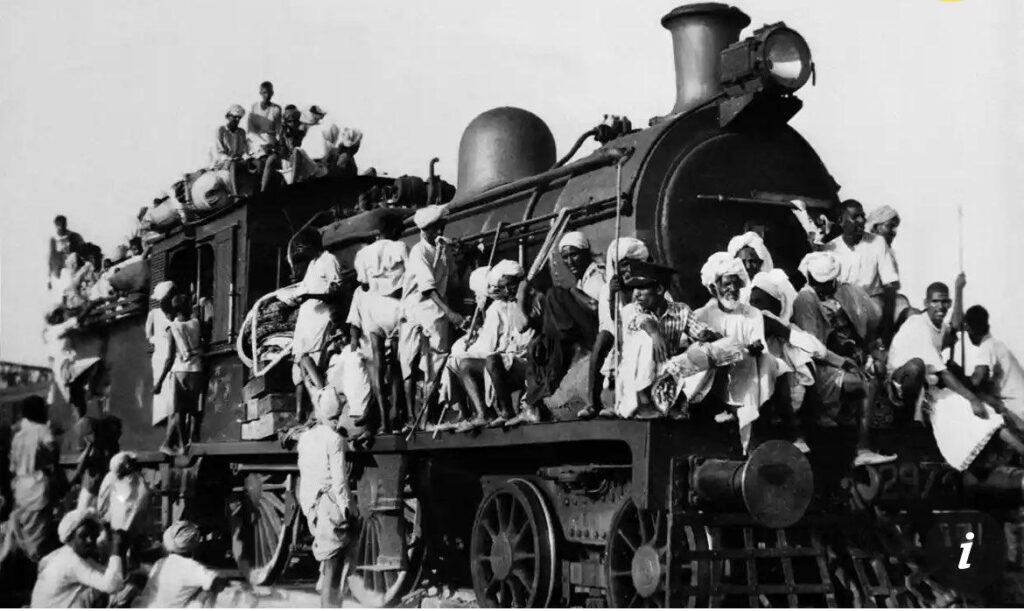
Trains became overcrowded symbols of this migration, packed with families carrying only what they could physically transport. Refugee camps sprang up on both sides of the new border. Nobody had adequately planned for the numbers that actually arrived.
The violence that accompanied this migration remains one of the most painful chapters in the region’s history. Estimates of deaths range from several hundred thousand to over a million people, depending on the source. Communities that had coexisted for generations turned against each other within weeks, driven by fear, displacement, and the chaos of sudden upheaval.
Families on both sides carry stories from this period, often passed down through generations. My own family’s story, like millions of others, includes both loss and the quiet kindness of strangers who helped during an impossibly difficult journey.
Building Two Separate Nations
Both countries faced an enormous task almost immediately after independence. They needed to build functioning governments using infrastructure and administration designed for a unified colonial territory.
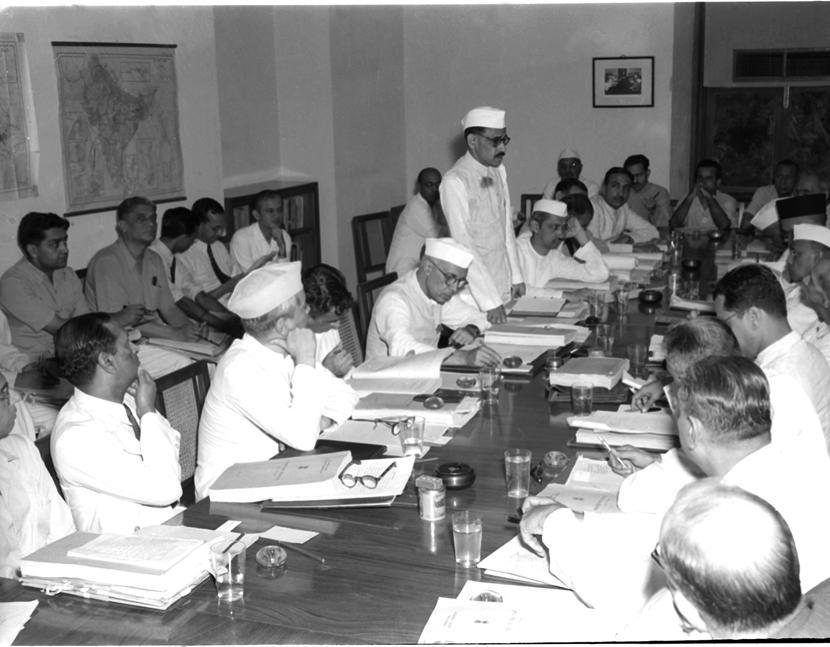
India adopted a secular, federal democratic constitution in 1950. The country established itself as a republic with Jawaharlal Nehru serving as its first Prime Minister. India pursued state-led economic planning combined with a parliamentary democratic system. The institutions built during this period, despite challenges along the way, have remained largely intact for over seven decades.
Pakistan’s early years involved more political turbulence. Part of this stemmed from the country itself being split into two geographically separate wings, West Pakistan and East Pakistan, divided by over a thousand miles of Indian territory. Muhammad Ali Jinnah served as the country’s first Governor-General but passed away just over a year after independence. His death left a leadership vacuum during a critical early period.
Pakistan moved through several phases of civilian and military governance over subsequent decades. This pattern continued shaping its political development for years afterward.
The Birth of Bangladesh
The geographic and cultural distance between West and East Pakistan eventually became unsustainable. East Pakistan, predominantly Bengali-speaking and culturally distinct from the western wing, increasingly felt politically and economically marginalized within the shared state.
Tensions escalated through the late 1960s. They culminated in a war for independence in 1971. East Pakistan emerged as the independent nation of Bangladesh later that year, with India playing a significant role in the conflict.
This event reshaped the regional map entirely. Most people now associate the original 1947 partition specifically with India and Pakistan, while Bangladesh charted its own separate path forward as a third nation born from the same colonial-era territory.
Decades of Complicated Relations
India and Pakistan have fought several wars since independence. These conflicts centered primarily on territorial disputes, most prominently the region of Kashmir. Both countries claim this territory, and it remains divided between them along a line of control rather than a fully settled international border.
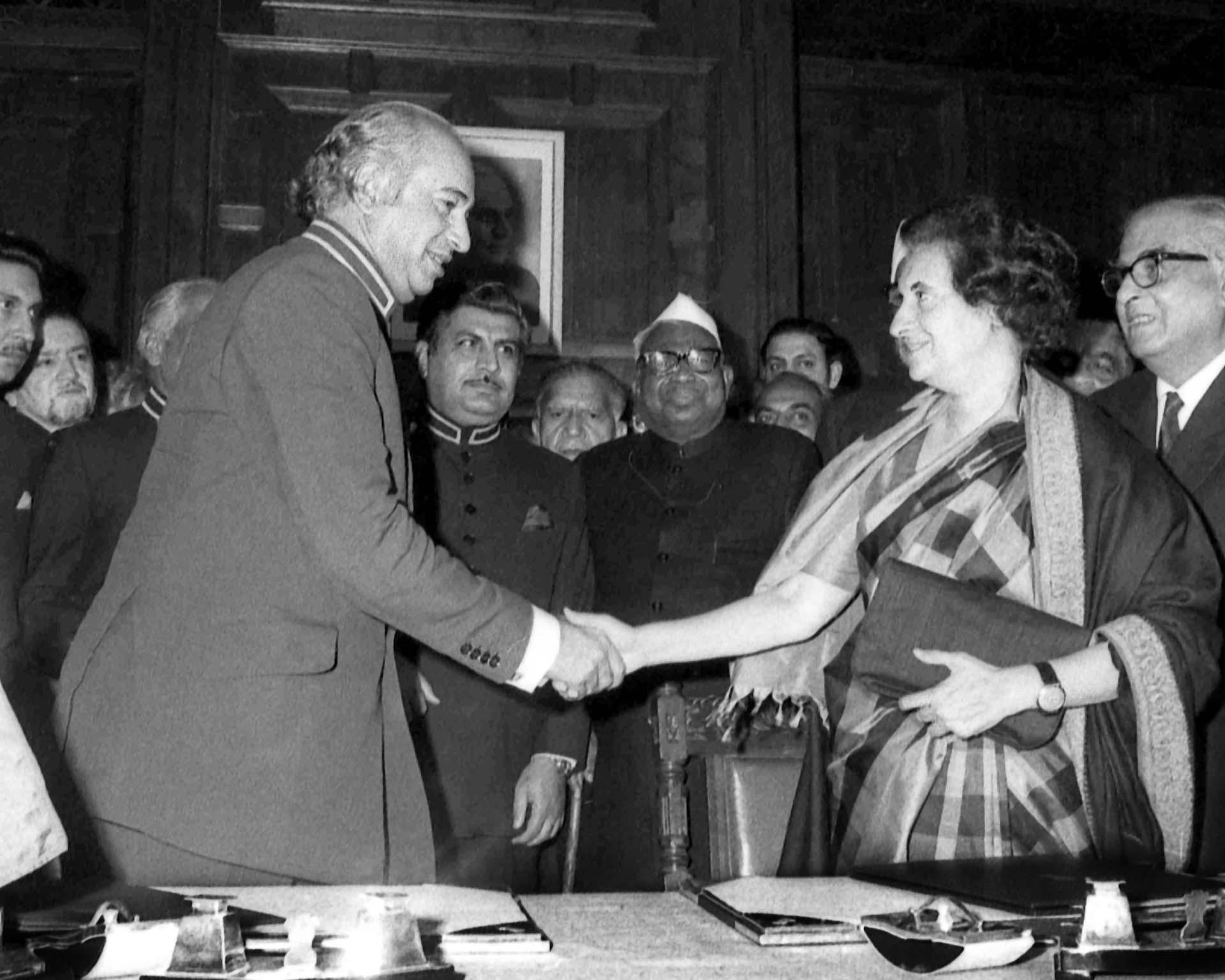
Wars occurred in 1947, 1965, 1971, and a more limited conflict in 1999 known as the Kargil War. Each conflict left lasting impacts on how both populations view the relationship between the two countries. These events reinforced narratives that differ significantly depending on which side of the border you grew up on.
Diplomatic relations between the two nations have moved through cycles of tension and tentative warming over the decades. Periods of dialogue and even cultural exchange have alternated with periods of near-total breakdown in communication, depending on regional events and domestic political pressures within both countries.
Both nations developed nuclear weapons capabilities by the late 1990s. This development added a significant new dimension to how the international community views tensions between the two countries, given the stakes involved in any potential escalation.
Where Culture Quietly Bridges the Divide
Decades of political tension have not erased the cultural connections between India and Pakistan. These bonds have proven remarkably resilient, often persisting in ways that politics has struggled to fully sever.
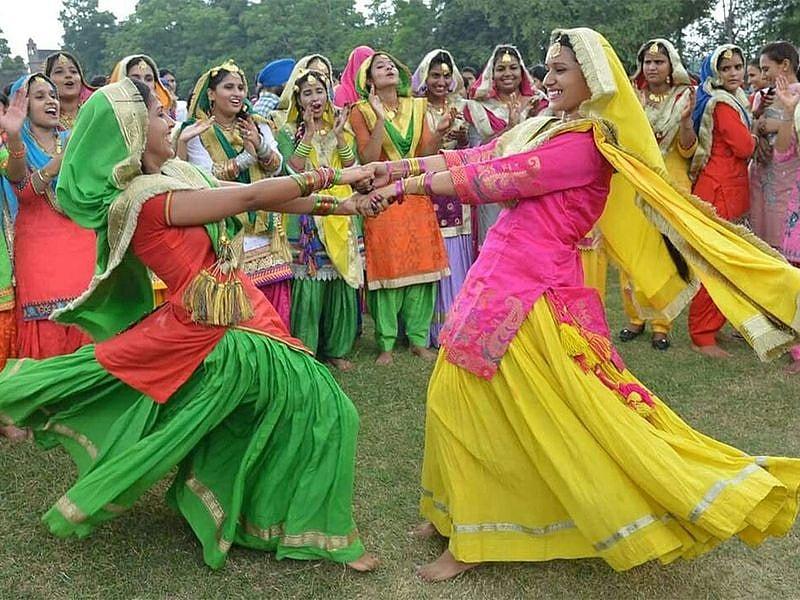
Bollywood films have historically found massive audiences in Pakistan, even during periods when official trade and cultural exchange faced restrictions. Pakistani dramas, known for their strong writing and production quality, have similarly built devoted audiences in India through platforms like YouTube and various streaming services, despite limited formal distribution channels.
Music has served as one of the strongest bridges. Coke Studio Pakistan built a massive following across both countries, blending traditional and contemporary sounds in ways that resonated regardless of national borders. Artists like Nusrat Fateh Ali Khan, Atif Aslam, and Rahat Fateh Ali Khan have found audiences across India that rival their popularity at home.
Cricket occupies a uniquely powerful space in this cultural relationship. Matches between the two national teams draw audiences that dwarf almost any other sporting event in the region. These games generate intensity that reflects the broader complexity of the relationship itself, competitive and passionate, yet also capable of genuine sportsmanship between players and fans.
Food remains perhaps the most universally shared connection. Dishes like biryani, kebabs, and countless regional specialties trace back to shared culinary traditions that predate the political border entirely. Families on both sides prepare nearly identical recipes passed down through generations, sometimes with only minor regional variations.
How Families Reconnect Across the Border Today
Technology has changed how families separated by Partition maintain connections across a border that remains difficult to cross physically. Visa restrictions and limited diplomatic travel arrangements still complicate direct contact.
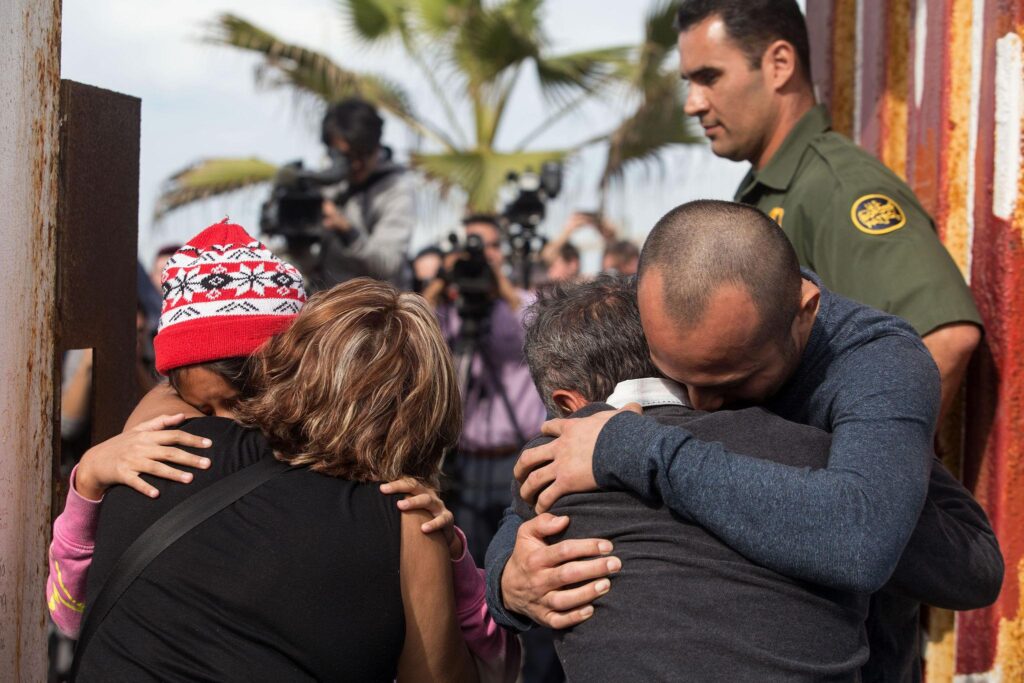
Facebook groups dedicated to reconnecting families separated during Partition have grown significantly over the years. People post old photographs, neighborhood names, and family details, hoping to find relatives or simply trace their roots back to ancestral villages now on the other side of the border.
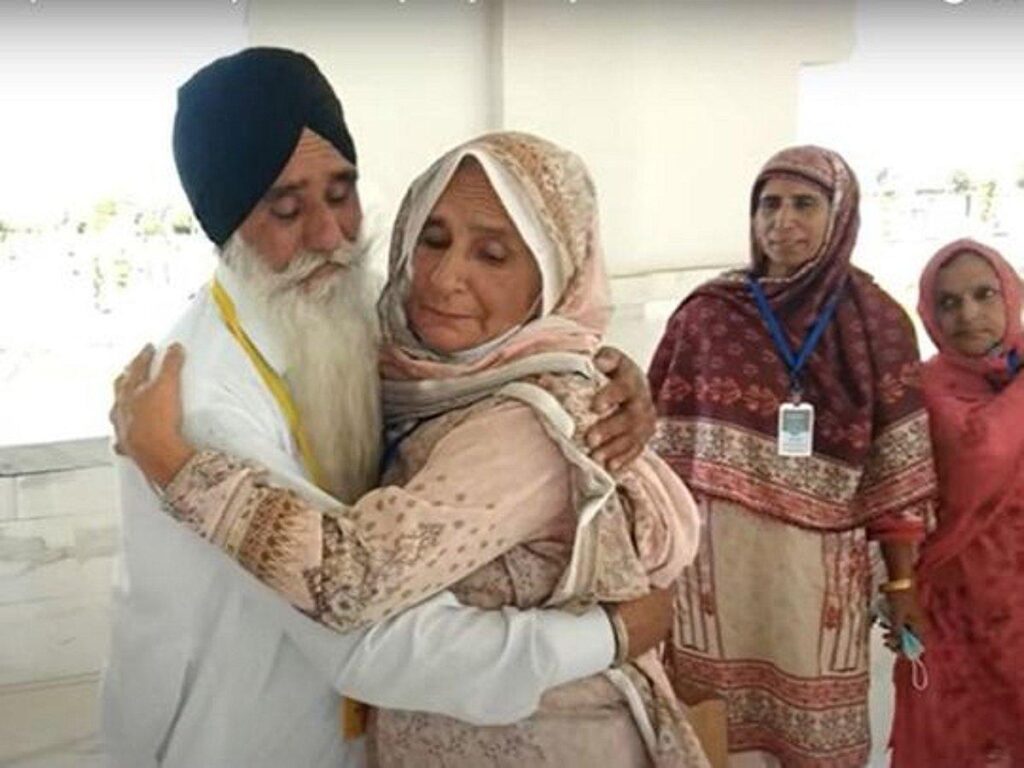
A platform called Punjabi Lehar and similar community-driven initiatives have helped facilitate some remarkable reunions. These groups have connected elderly survivors of Partition with relatives they had not seen in over seven decades. Several reunions have been documented and shared widely, offering glimpses of genuine emotional reconciliation that politics alone rarely produces.
YouTube channels run by Pakistani and Indian creators have also become unexpected spaces for cross-border connection. Some channels focus on visiting ancestral homes, tracing family histories, or simply documenting daily life on either side of the border. These channels have built substantial audiences from both countries, often filled with comments from viewers sharing their own family’s Partition stories in response.
Steps for Tracing Your Own Family History Across the Border
Start by collecting whatever oral history still exists within your own family. Firsthand memories from Partition survivors are becoming increasingly rare as that generation ages. Recording conversations with older relatives, even informally on a phone, preserves details that often get lost otherwise.
Search Facebook groups specifically dedicated to Partition family reconnections. Use whatever village or city names your family has passed down, even if spellings have shifted over generations due to transliteration differences between scripts.
Check genealogy platforms like MyHeritage or FamilySearch. Both have expanded their South Asian historical records significantly in recent years, sometimes including colonial-era documentation that can help trace family movements.
Reach out to local cultural and historical societies focused on Partition history. Many maintain archives of oral histories and have experience helping families trace connections across the border.
Common Misunderstandings Worth Clearing Up
A few misconceptions come up repeatedly when people discuss this history, and clearing them up genuinely helps explain the relationship better.
People often assume the border itself was inevitable or carefully planned. The rushed timeline and inexperience of those drawing it actually contributed directly to the chaos and violence that followed. Better planning and more time would not have eliminated all tension, but the specific scale of the humanitarian crisis was significantly worsened by how quickly everything happened.
Many people also assume India and Pakistan have always existed in a state of constant conflict since 1947. The reality includes extended periods of relatively normal diplomatic relations, cultural exchange, and even cooperation on specific issues, alongside the more publicized periods of tension and conflict.
The assumption that both populations harbor uniform hostility toward each other does not hold up well against the cultural connections that persist so strongly. Government-level tensions and how ordinary people on both sides actually feel toward each other often diverge considerably. This becomes obvious the moment you look at how warmly cross-border cultural content gets received by everyday audiences.
Visiting Historical Sites Connected to This Shared History
Several sites offer meaningful ways to connect with this shared past for anyone interested in experiencing this history directly.
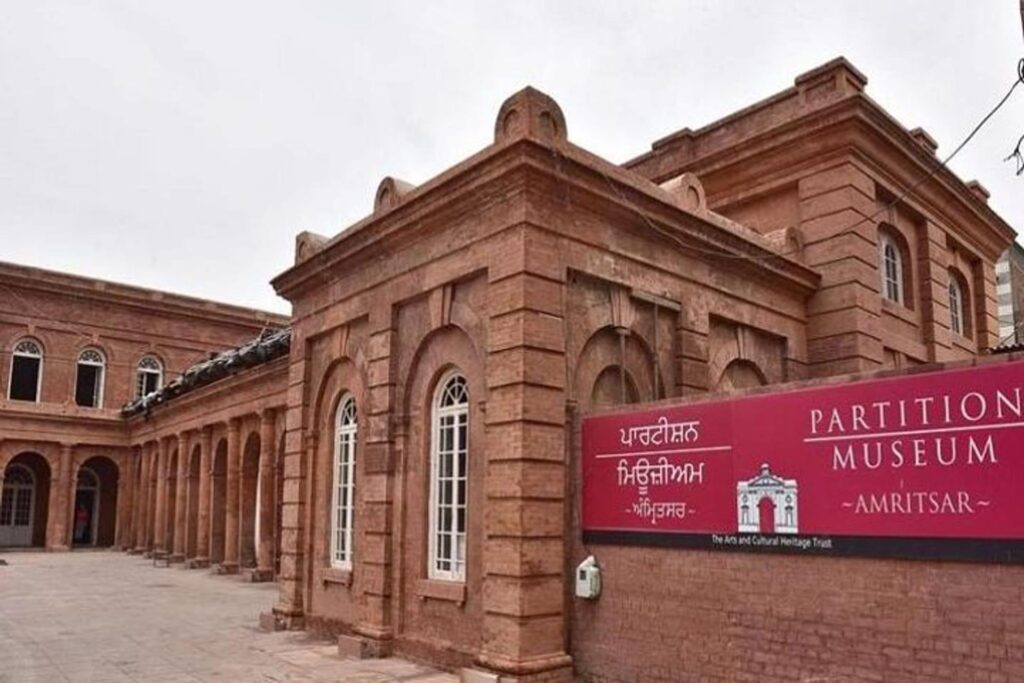
The Partition Museum in Amritsar, India, opened in 2017. It has become one of the most significant institutions documenting this history through personal artifacts, oral histories, and detailed exhibits covering the human experience of Partition rather than just the political timeline.
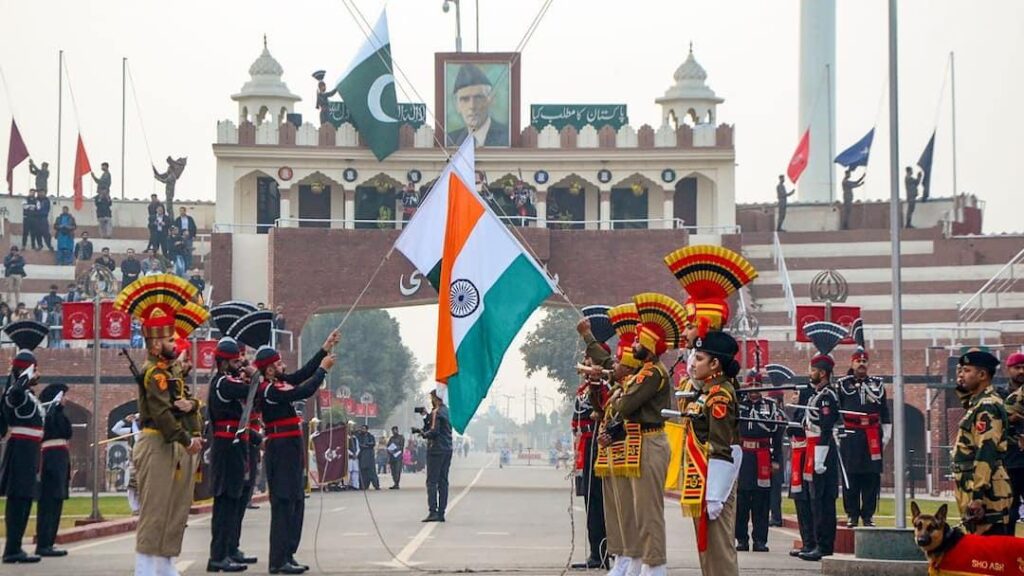
The Wagah-Attari border ceremony takes place daily at the actual border crossing between Amritsar and Lahore. Large crowds from both countries gather for an elaborate flag-lowering ceremony that has become a genuine tourist attraction, offering a rare physical glimpse of the border itself along with a display of organized, ceremonial rivalry between border guards from both nations.
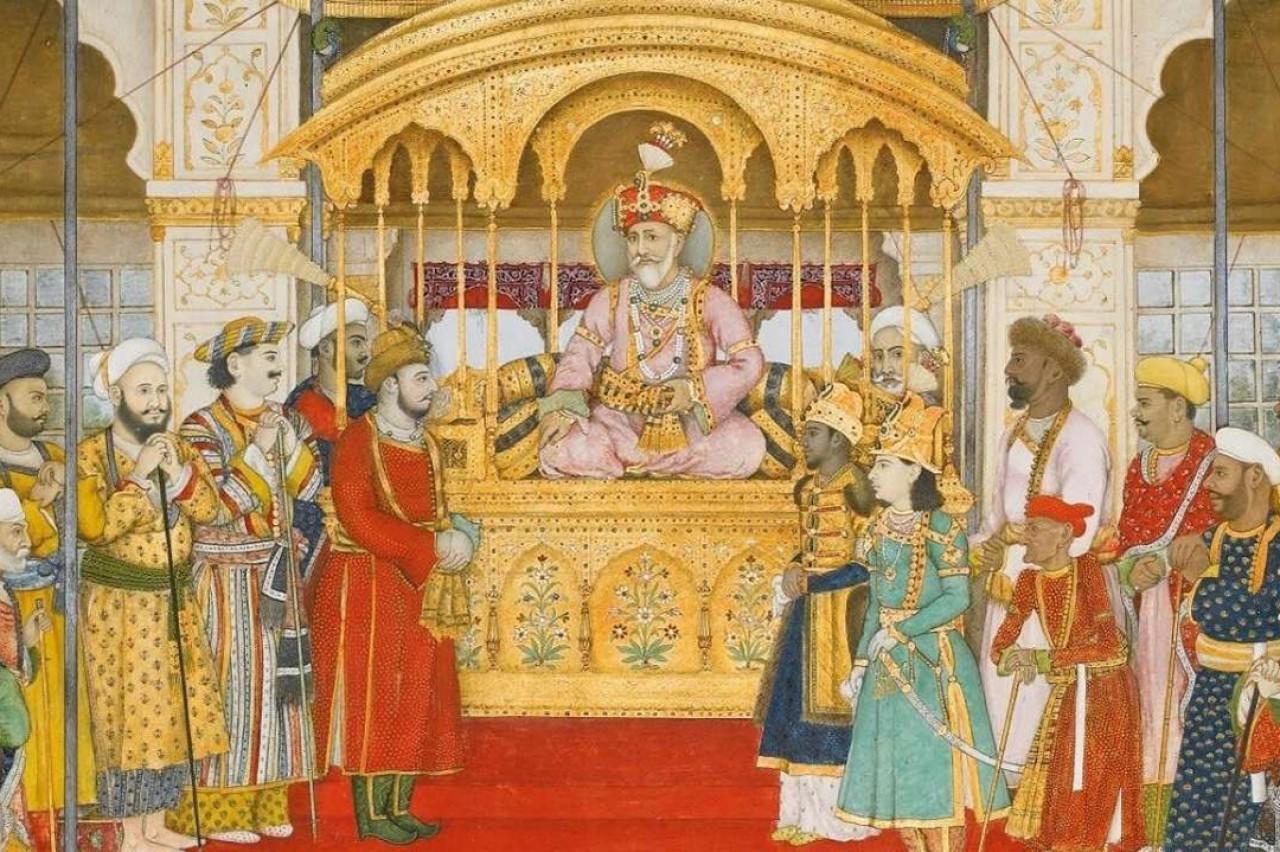
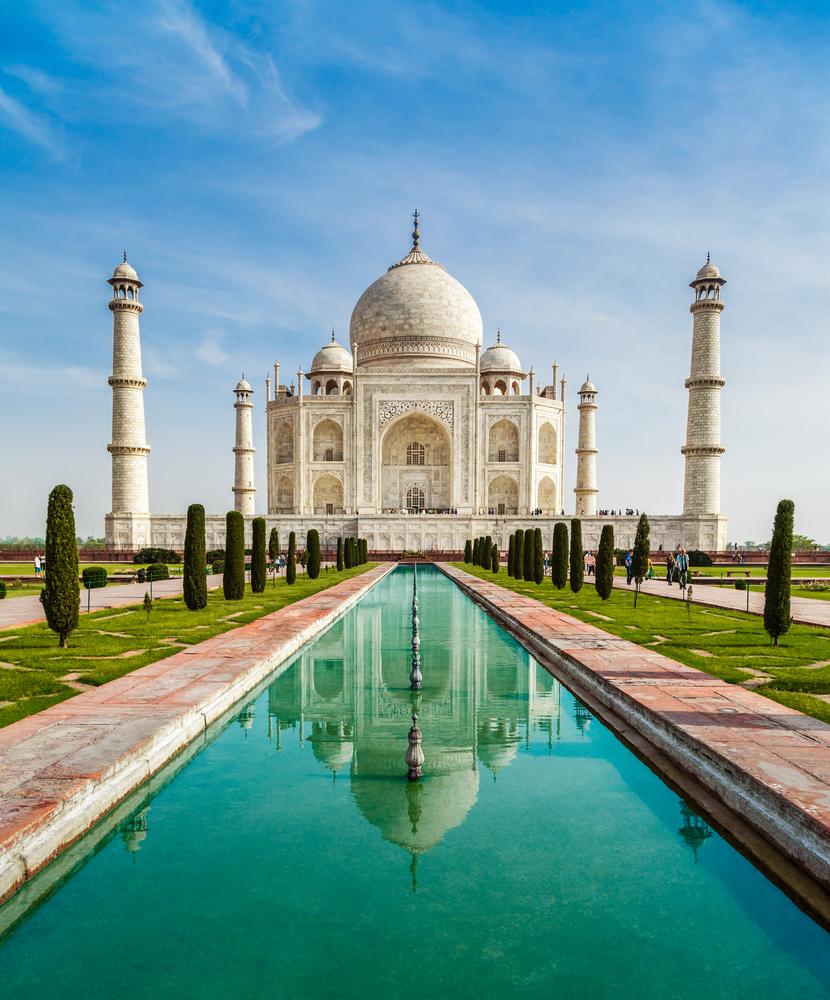
Lahore itself contains extensive Mughal-era architecture, including the Lahore Fort and Badshahi Mosque. These sites connect directly to the shared pre-Partition history of the broader region and draw visitors interested in understanding the cultural foundation both countries built upon.
Final Thoughts
My grandfather passed away without ever returning to the city where he grew up, something he mentioned wanting to do more than once over the years. That small, unfulfilled wish stayed with me long after he was gone. It represents something larger about an entire generation that carried memories of a shared homeland they could never fully revisit.
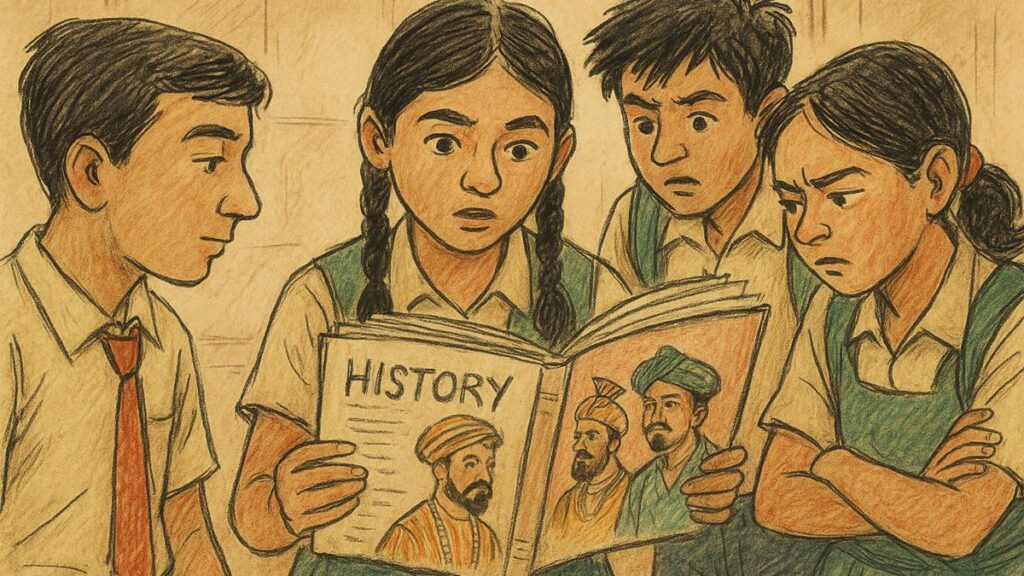
The history between India and Pakistan involves real political complexity, genuine disagreement, and decades of difficult diplomatic relations that deserve honest examination rather than oversimplification. What stays with me most, though, after years of researching this history and listening to family stories, is how much connects these two nations beneath the political surface. Shared language, food, music, and millions of family histories quietly cross a border that politics drew but could never fully separate.
Understanding this history means holding both truths at once. Real conflict and real connection exist simultaneously, shaping two nations that remain deeply linked by everything that came before that line was drawn in 1947.